
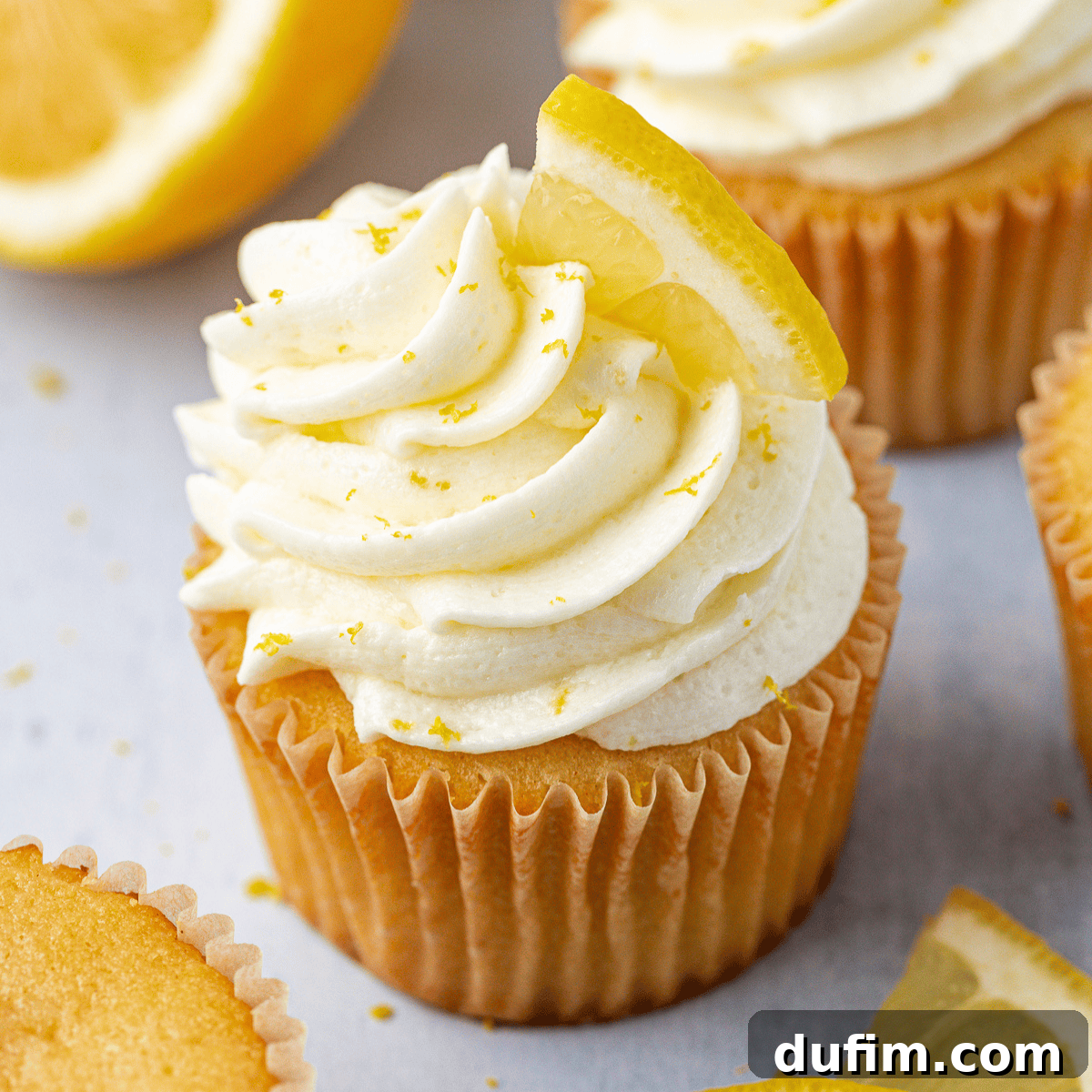
After years of trial, error, and countless batches, I’ve finally perfected the ultimate lemon frosting. This isn’t just any recipe; it’s a detailed guide to help you achieve a consistently silky-smooth, vibrantly flavored lemon buttercream that never separates. I’ve uncovered the crucial secrets, from the ideal butter temperature to the simple trick for eliminating air bubbles, and how to expertly balance the sweetness and tang to suit your palate. My mission is to share these insights so you can confidently create stunning, delicious frosting for all your baked goods, skipping all the hard lessons I learned along the way!
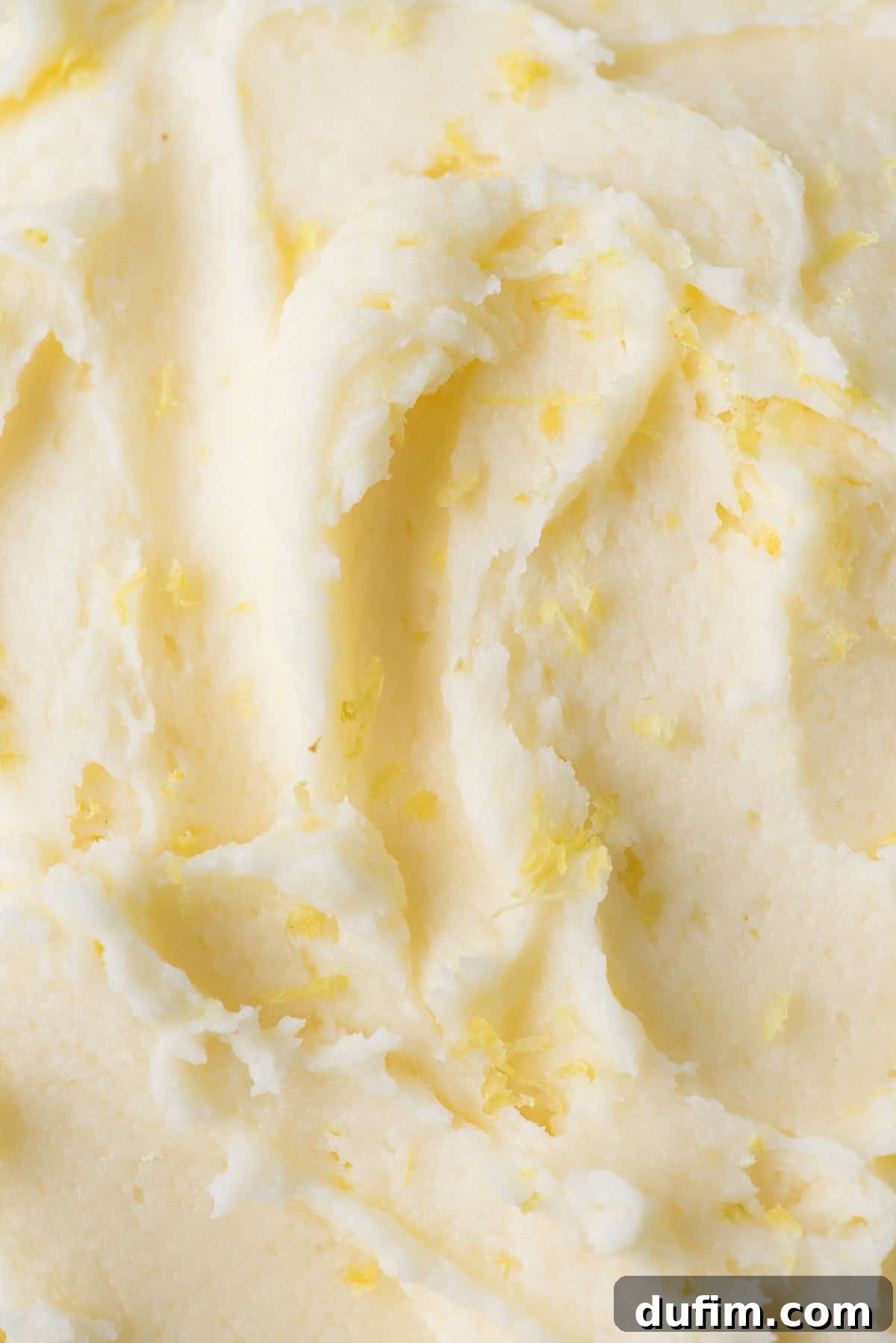
The most perfect icing I have ever made!
-Debra
Mastering Lemon Buttercream: Your Guide to Flawless Frosting
There’s something truly special about homemade lemon buttercream. Its bright, zesty flavor and creamy texture can transform any dessert into an extraordinary treat. Over the past decade, I’ve dedicated myself to perfecting this particular frosting, enduring my share of kitchen mishaps along the way. I’ve experienced the frustration of frosting separating into a curdled mess, particularly when I was overzealous with the lemon juice. However, these “failures” were the best teachers, leading me to discover key techniques that guarantee success every time.
My journey taught me that when your frosting looks like it’s breaking apart, don’t panic! It’s often a sign that it needs more mixing. Simply continue beating it, and watch as it magically comes back together into a beautiful, cohesive buttercream. Beyond this universal troubleshooting tip, three fundamental pillars underpin a truly exceptional buttercream: the precise temperature of your butter, an effective method for banishing pesky air bubbles, and the art of fine-tuning the sweetness to your personal preference.
The Foundation of Flawless Frosting: Perfect Room Temperature Butter
The first and arguably most critical element in achieving a perfect buttercream is the butter’s temperature. This might seem like a minor detail, but it makes a world of difference. If your butter is too cold, it won’t cream properly with the sugar, leading to a lumpy, inconsistent frosting. Conversely, if it’s too soft or melted, your frosting can become greasy and lack structure, making it difficult to pipe or spread smoothly. I’ve tested this countless times and can now tell by feel alone if the butter is just right.
The sweet spot for butter temperature is typically between 63°F and 68°F (17°C and 20°C). It should be cool to the touch but yield slightly when you press it with your finger, leaving a gentle indent without feeling oily or losing its shape. This ideal consistency allows the butter to whip up beautifully, incorporating air to create a light and fluffy base that holds its structure and blends seamlessly with other ingredients. Achieving this perfect butter temperature is the first step towards a professional-quality lemon frosting.
Achieving Silky Smoothness: Banishing Air Bubbles
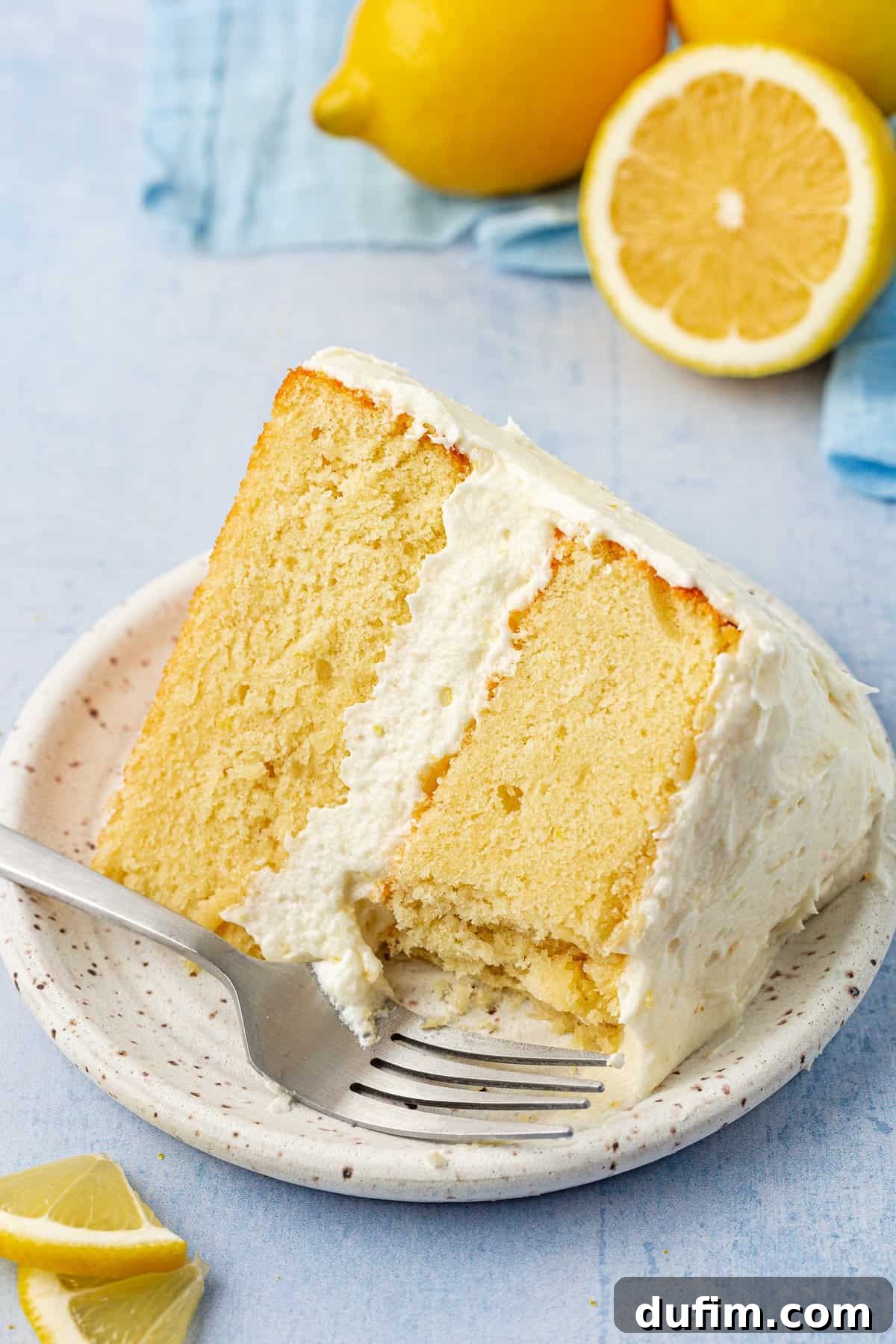
Have you ever finished a batch of frosting only to find it riddled with tiny air bubbles, resulting in a rough, unappealing texture rather than a smooth, elegant finish? I certainly have! It’s a common issue with buttercream, often caused by over-whipping on high speed, which incorporates too much air. While some air is necessary for fluffiness, too much can compromise the visual appeal and even the mouthfeel of your frosting.
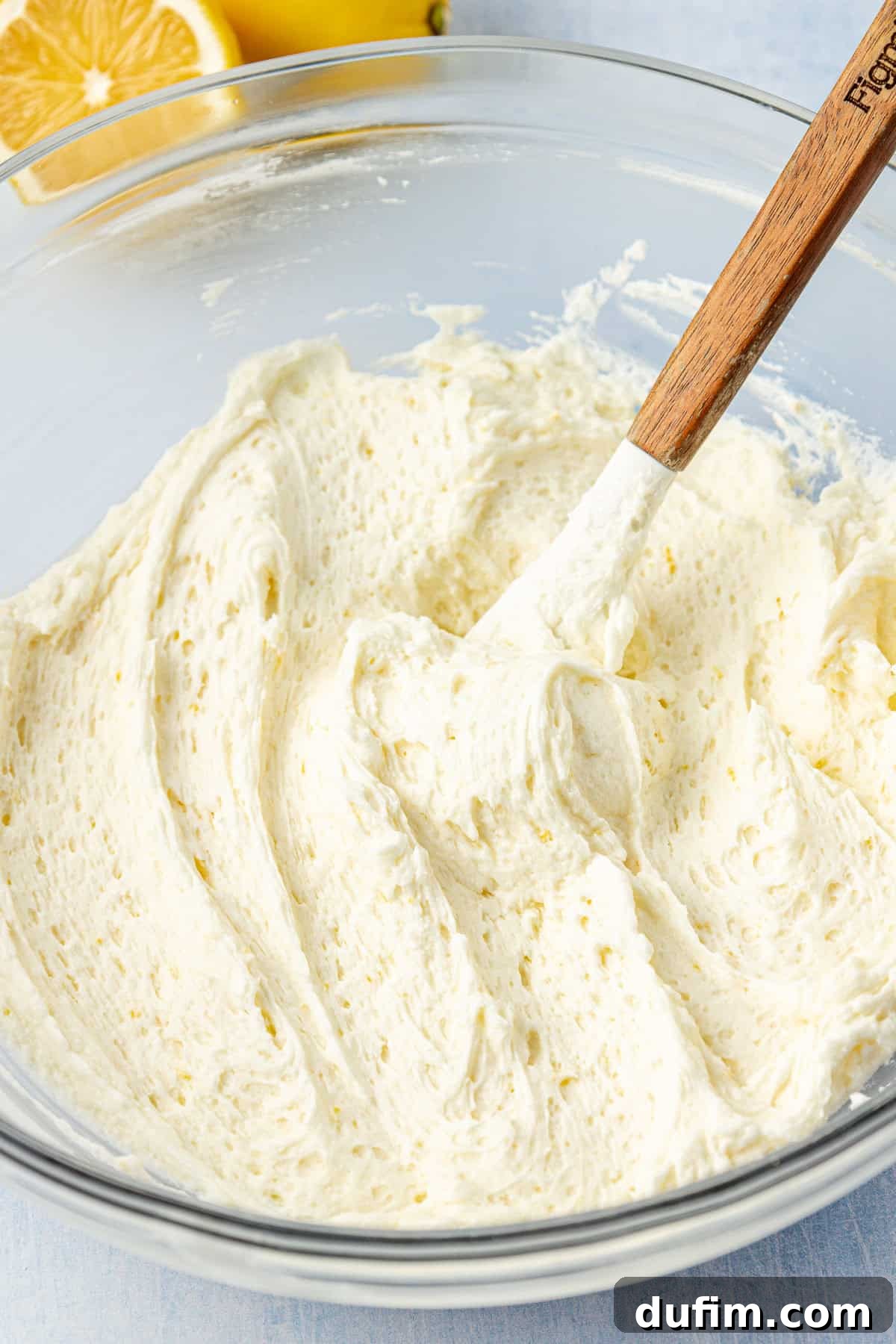
Fortunately, the solution is remarkably simple. Once all your ingredients are combined and the frosting has whipped to a fluffy consistency, reduce your mixer speed to the lowest setting. Let it run for an additional minute or two, or even gently stir with a sturdy spatula by hand. This slow mixing process helps to “knead” out those tiny air pockets, smoothing out the frosting to a luxurious, velvety consistency. This technique ensures your lemon buttercream looks as professional and delicious as it tastes, perfect for piping intricate designs or creating perfectly smooth cake layers.
Customizing Your Flavor: The Perfect Tang-to-Sweetness Ratio
Finally, let’s talk about sweetness and tang – a truly personal preference! Some bakers adore an intensely sweet frosting, while others prefer a more balanced profile with a pronounced lemon zest. The beauty of making your own lemon buttercream is that you are in complete control of this delicate balance. This flexibility allows you to tailor the frosting to your specific taste or the dessert it will accompany.
To increase the sweetness, simply add more powdered sugar, a quarter cup at a time, until you reach your desired level. For a bolder, tangier lemon flavor, incorporate a little extra fresh lemon juice. Be mindful, however, not to add too much liquid, as this can thin your frosting excessively and cause it to separate. A good rule of thumb is to add a teaspoon at a time, mixing well after each addition. I’ve meticulously tested and refined this recipe to be adaptable and foolproof, ensuring that you can confidently adjust it without fear of ruining the consistency. My goal is for you to create smooth, flavorful, and easy-to-work-with frosting every single time, bypassing all the early mistakes I made.
Essential Ingredients for the Best Lemon Frosting
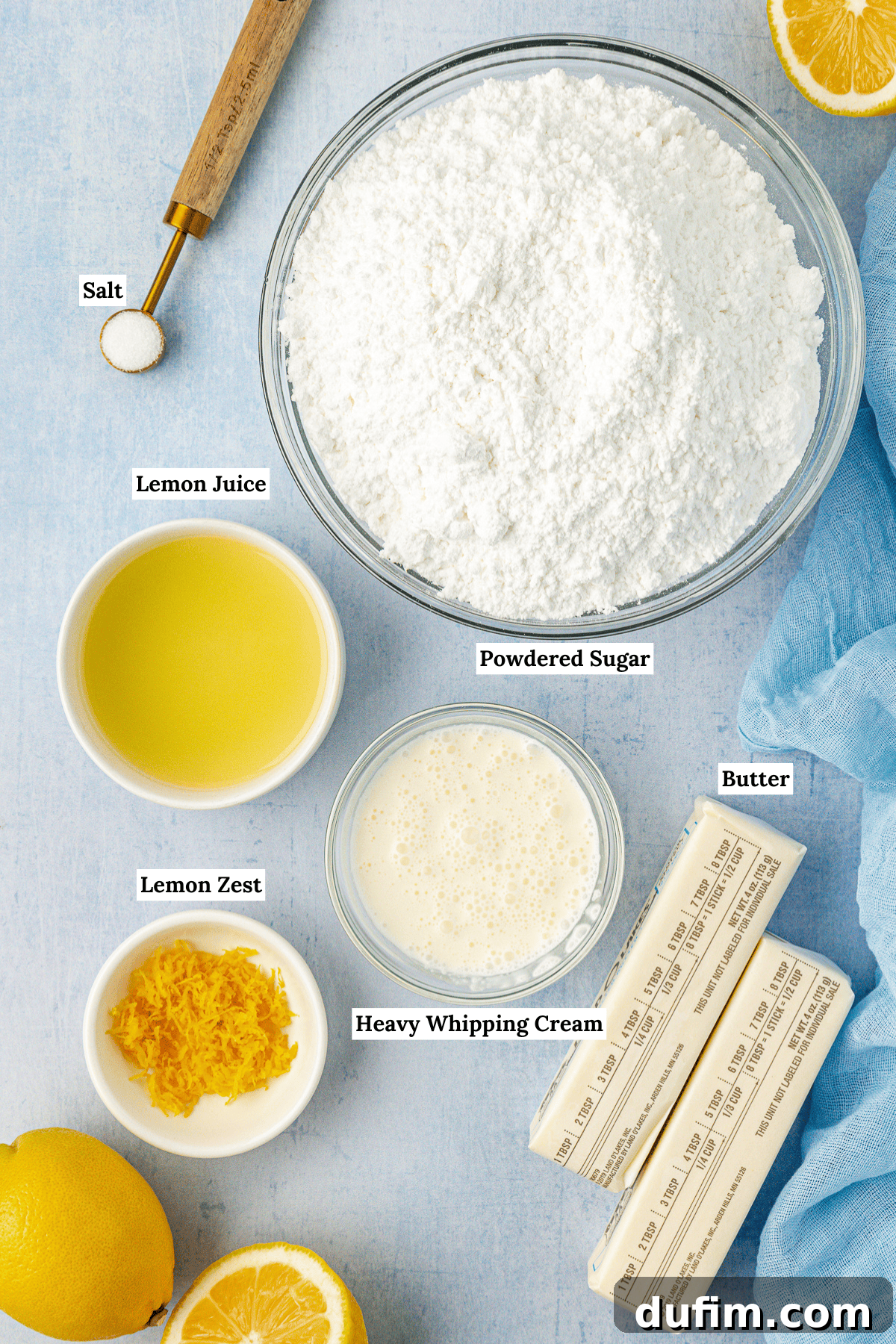
Creating the best lemon frosting doesn’t require a long list of exotic ingredients. In fact, a handful of simple, high-quality components are all you need to achieve truly exceptional results. The full recipe with precise measurements is included in the recipe card below, but here’s a summary of the key players and why they matter:
- Unsalted Butter, Room Temperature: This is the backbone of your buttercream. Using unsalted butter gives you control over the salt content, and critically, it must be at the correct room temperature (soft enough to indent, but still holding its shape) to emulsify properly and create that desirable light and fluffy texture.
- Powdered Sugar (Confectioners’ Sugar): This fine sugar dissolves easily, preventing a gritty texture. It’s essential for both sweetness and structure. You’ll adjust the amount to achieve your preferred sweetness and consistency.
- Fresh Lemon Juice: The star of the show! Freshly squeezed lemon juice provides the vibrant, tangy flavor that defines this frosting. Bottled juice often lacks the brightness and can contain preservatives that alter the taste.
- Heavy Whipping Cream (or Milk): A small amount of liquid helps achieve the perfect creamy consistency. Heavy cream adds richness and a beautiful mouthfeel, while milk can be used as a lighter alternative, offering similar thinning properties.
- Salt: Often overlooked, a pinch of salt is crucial for balancing the sweetness and enhancing the lemon flavor, preventing the frosting from tasting one-dimensional.
- Lemon Zest (Optional, but highly recommended): For an extra burst of intense lemon aroma and flavor, don’t skip the zest! The oils in the zest are packed with citrus notes that truly elevate the frosting. Ensure you only zest the bright yellow part, avoiding the bitter white pith.
Using quality ingredients, especially fresh lemons, will truly make your lemon frosting shine. Now, let’s get to the fun part: making it!
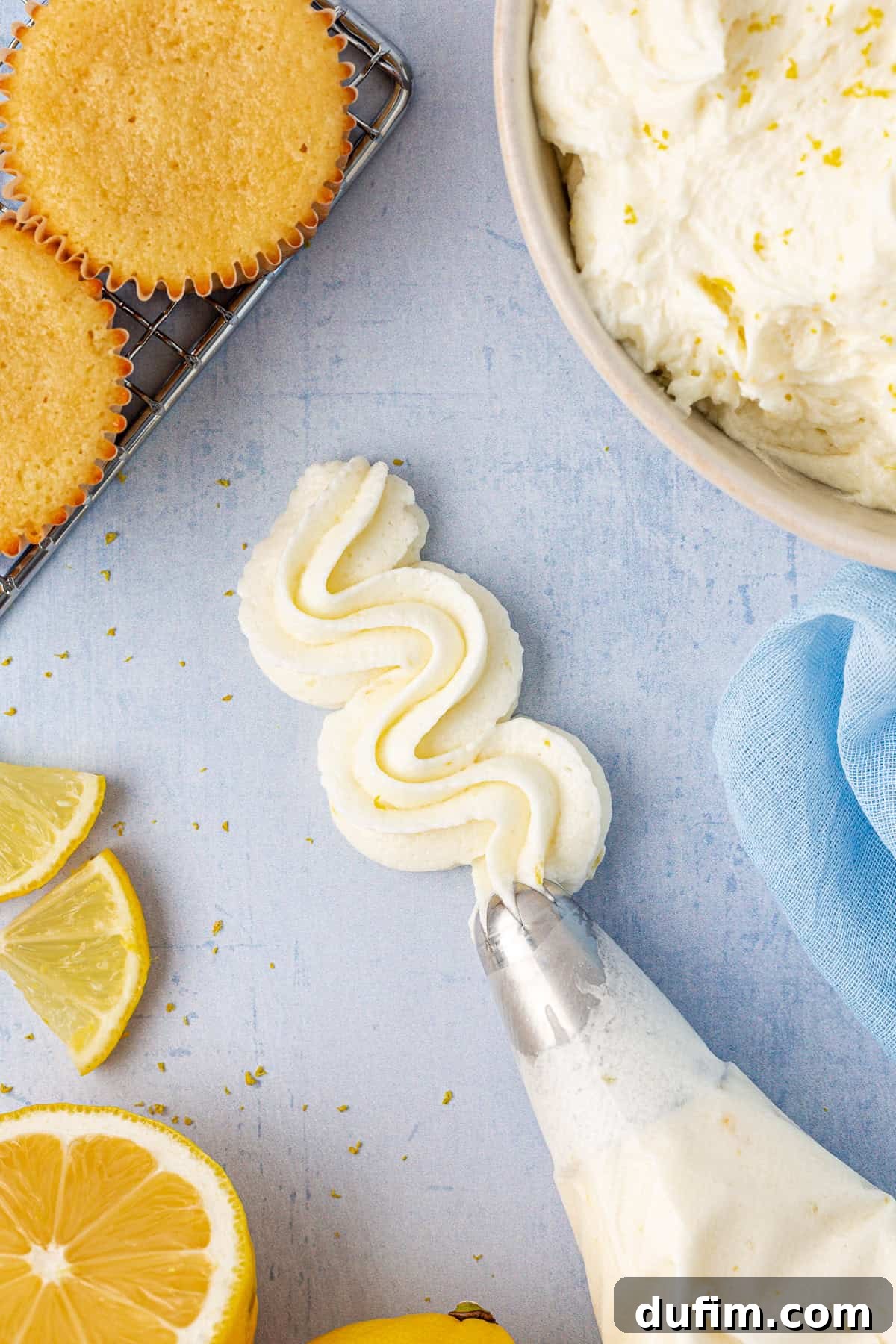
How to Make the Ultimate Lemon Frosting: A Step-by-Step Guide
Once you experience how incredibly simple and satisfying it is to make homemade lemon frosting, you’ll likely never return to the store-bought versions. My streamlined process ensures a smooth, flavorful, and perfectly textured frosting every time. Here’s how to whip up this delightful treat:
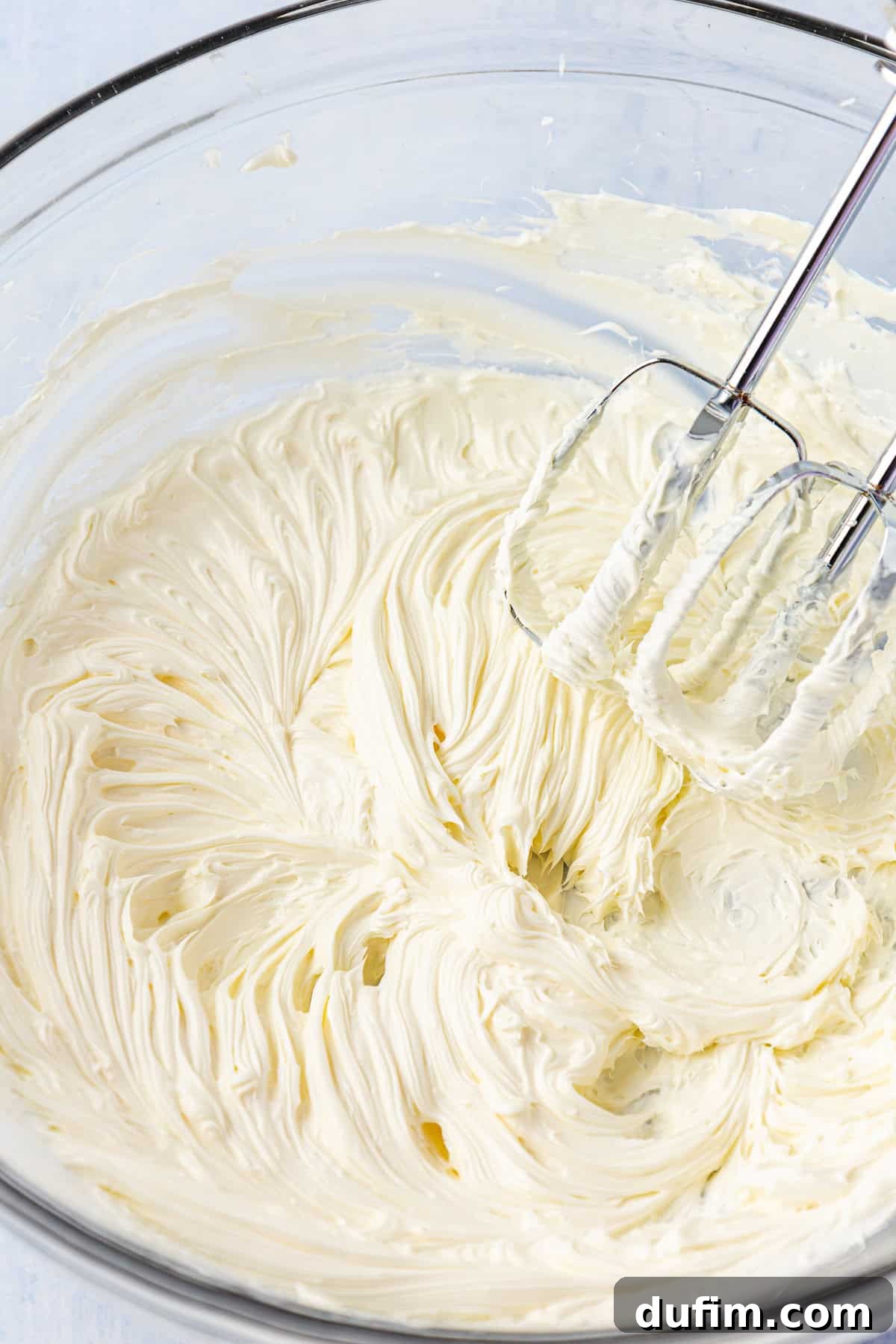
- Cream the Butter until Light and Fluffy: Begin by placing your perfectly room-temperature unsalted butter into the bowl of a stand mixer fitted with the paddle attachment, or use a large bowl with a hand mixer. Beat the butter on medium speed for 1-2 minutes. The goal here is to lighten the butter’s color and make it fluffy, almost like whipped cream. This initial creaming step is vital for incorporating air and creating a tender frosting base. Scrape down the sides of the bowl midway through to ensure even mixing.
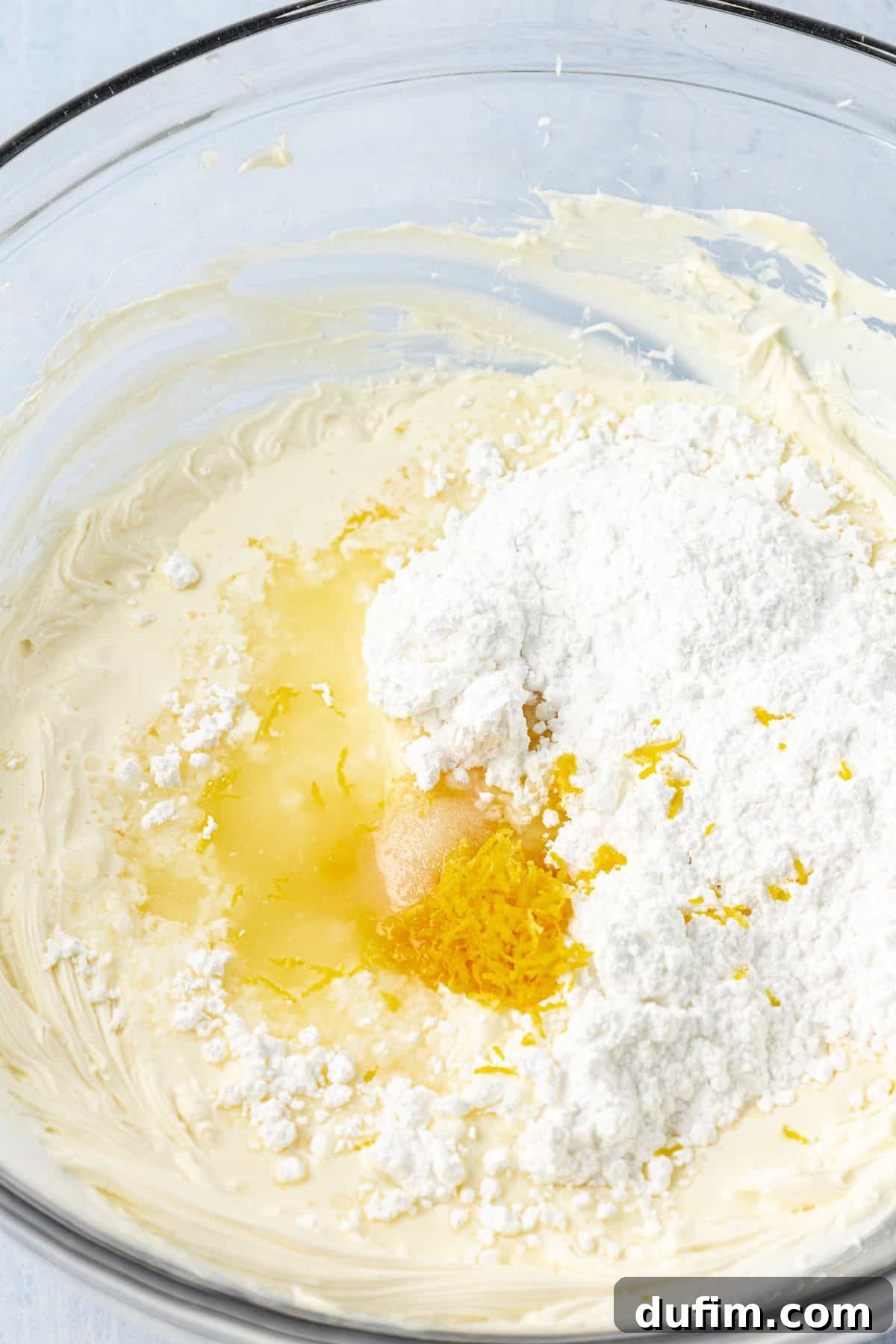
- Incorporate Remaining Ingredients and Whip: With the mixer still on low speed, gradually add the powdered sugar, about 1 cup at a time, allowing each addition to incorporate before adding more. Once about 3 ½ cups of powdered sugar have been added, pour in the fresh lemon juice, heavy whipping cream (or milk), and salt. If using, now is the time to add the fragrant lemon zest. Continue mixing on low speed until everything is just combined. Then, increase the mixer speed to high and beat for an additional 2-3 minutes. This vigorous beating ensures the frosting becomes incredibly light, airy, and well emulsified.
- Adjusting Consistency and Flavor: After the initial high-speed mixing, taste your frosting. This is your moment to customize! If you prefer a sweeter frosting, gradually add more powdered sugar (up to an additional cup), mixing until smooth. If the frosting feels too thick or stiff for your liking, thin it out by adding 2-4 additional teaspoons of heavy cream or milk, one teaspoon at a time, mixing well after each addition until the desired consistency is achieved. For a more intense lemon tang, you can carefully add a touch more lemon juice, remembering not to add too much at once.
- Using and Storing Your Fresh Frosting: Your freshly made lemon buttercream is now ready to be used immediately! It’s perfect for piping onto cupcakes, spreading over cakes, or as a delightful filling. If you have leftovers or are preparing in advance, ensure it’s covered tightly to prevent it from drying out or absorbing refrigerator odors. Store it in an airtight container in the refrigerator for up to 1 week. For longer storage, it freezes beautifully for up to 3 months. When ready to use frozen frosting, thaw it completely in the refrigerator first, then bring it to room temperature on the counter. Before piping or spreading, give it a good beat in your mixer for 30-60 seconds to restore its creamy texture. If it’s still a bit stiff, a small splash of milk or cream will help it regain its smooth, spreadable consistency.
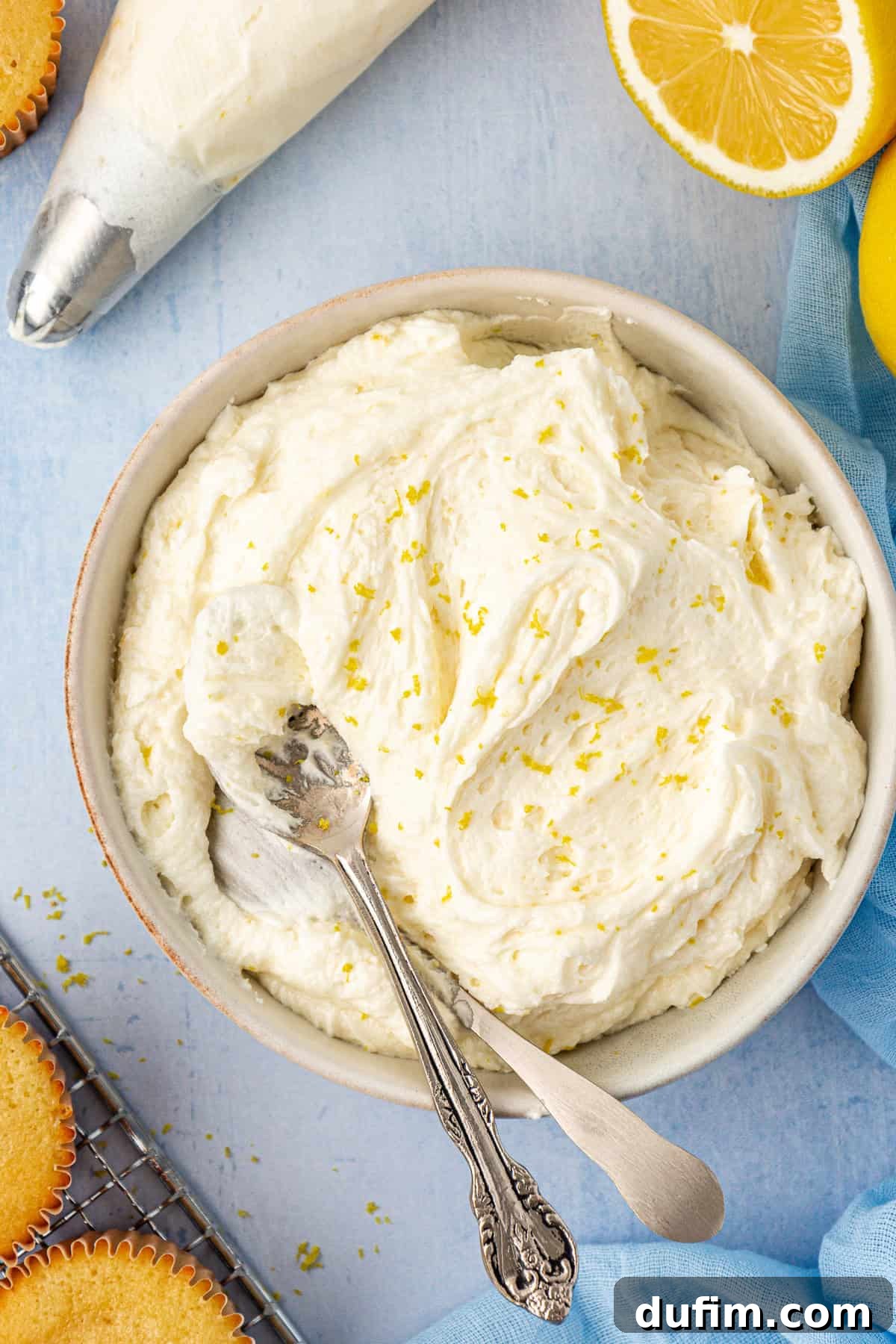
Creative Lemon Frosting Recipe Variations to Explore
While this classic lemon buttercream is outstanding on its own, there are many ways to customize and enhance it to suit different tastes and occasions. Don’t be afraid to experiment and make it your own!
- Butter Options: If you only have salted butter on hand, you can certainly use it. However, remember to omit the additional salt listed in the recipe to avoid an overly salty frosting. Adjusting salt content to taste is always a good practice.
- Intensifying Lemon Flavor: For an even stronger lemon punch without altering the frosting’s consistency, consider adding a few drops of high-quality lemon oil or lemon extract. These concentrated flavorings provide a potent citrus burst. Avoid adding excessive lemon juice to increase flavor, as too much liquid can thin the frosting, making it runny and difficult to pipe or hold its shape.
- Adding a Pop of Color: To achieve a brighter, more vibrant yellow hue, especially for celebratory desserts, you can incorporate a tiny drop of yellow gel food coloring. Gel colors are concentrated and won’t thin your frosting like liquid food coloring might.
- Zest from Other Citrus: For a delightful twist, try replacing or complementing the lemon zest with zest from other citrus fruits. Orange zest adds a sweeter, sunnier note, while lime zest offers a different kind of sharp, refreshing tang.
- Vanilla Bean Infusion: For a more complex and aromatic flavor profile, scrape the seeds from half a vanilla bean and mix them into the frosting. The vanilla notes will beautifully complement the bright lemon.
Expert Tips for Achieving Perfect Lemon Cake Frosting
Beyond the basic steps, a few expert tips can elevate your lemon buttercream from good to truly exceptional. Follow these guidelines for the best results and to troubleshoot common issues:
- The Critical Role of Room Temperature Butter: As emphasized, the precise temperature of your butter is non-negotiable. Aim for butter between 63°F and 68°F (17°C and 20°C). It should feel cool, not warm, and a gentle press should leave an indent without the butter looking greasy or melted. If your butter is too cold, cut it into smaller pieces and let it sit for another 10-15 minutes. If it’s too soft, chill it in the refrigerator for 10-15 minutes before proceeding.
- How to Rescue Broken Buttercream: Don’t despair if your lemon frosting appears curdled or separated! This often happens if the ingredients are too cold, or if too much liquid (like lemon juice) was added too quickly. To remedy this, try adding 1/4 cup of additional powdered sugar and beat vigorously with your mixer. The extra sugar can help re-emulsify the mixture. If it still looks curdled, gently warm the bottom of your mixing bowl over a warm water bath or near a sunny window for about 10 minutes, then beat again. The slight warmth can help the fats and liquids come back together. Continue beating, and it should transform into a smooth, cohesive frosting.
- Avoiding Over-Whipping: While whipping is essential for fluffy buttercream, excessive high-speed whipping can incorporate too much air, leading to a porous texture. Once the frosting is fluffy, reduce the speed to low for a minute or two to smooth it out and remove large air pockets.
- Gradual Liquid Addition: When adding lemon juice or cream, do so gradually. Drizzling it in slowly while the mixer runs on low allows the frosting to absorb the liquid without shocking the emulsion, which can lead to separation.
- Using Fresh Citrus: Always opt for fresh lemon juice and zest. The flavor is unparalleled, and it avoids any artificial tastes or unwanted chemicals found in bottled products.
- Taste and Adjust Frequently: Don’t be afraid to taste your frosting throughout the process. This allows you to fine-tune the balance of sweetness and tang before it’s too late.
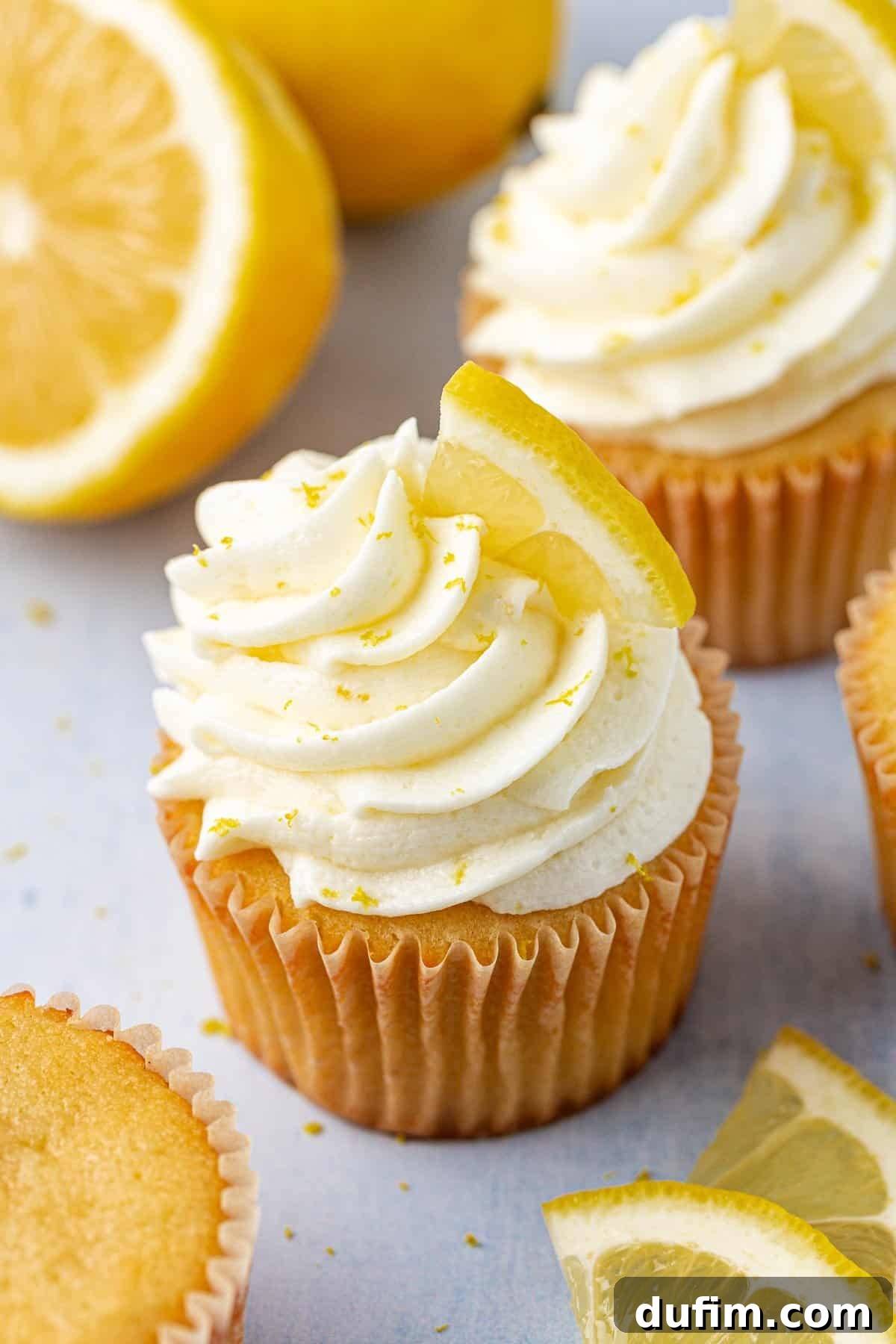
Proper Storage for Your Lemon Cake Frosting
Proper storage is essential to maintain the freshness, flavor, and texture of your homemade lemon buttercream. Here’s everything you need to know to keep your frosting delicious for longer:
Refrigeration
For short-term storage, any leftover lemon frosting should be transferred to an airtight container. This prevents it from absorbing odors from the refrigerator and drying out. It will keep beautifully in the refrigerator for up to 1 week. Before using refrigerated frosting, allow it to come to room temperature on your counter for about 30-60 minutes. Once at room temperature, re-whip it with a mixer for 30-60 seconds until it regains its smooth, creamy, and spreadable consistency. If it’s still too stiff, add a tiny splash (1-2 teaspoons) of milk or heavy cream and mix until smooth.
Can You Freeze Lemon Frosting? Yes!
Absolutely! Most types of buttercream frosting, including this lemon variety, freeze exceptionally well. This makes it perfect for meal prepping your baking projects or for saving leftover frosting for future use. To freeze, place the frosting into a heavy-duty plastic freezer bag, pushing out as much air as possible before sealing it tightly. Alternatively, you can store it in an airtight freezer-safe container. Frozen lemon buttercream will maintain its quality for up to 3 months.
To use frozen frosting, first, transfer it to the refrigerator and let it thaw completely. This can take several hours or overnight, depending on the quantity. Once it’s cold and no longer frozen through, move it to your kitchen counter and allow it to reach full room temperature. Just like with refrigerated frosting, a quick beat with your mixer for 30-60 seconds will restore its original creamy, fluffy texture. If it remains too stiff, don’t hesitate to add a small amount of milk or heavy cream (a teaspoon at a time) and continue mixing until it’s perfectly smooth and ready to adorn your desserts.
Does Buttercream Need to Be Refrigerated?
Surprisingly, American buttercream, which this lemon frosting is, is quite stable at room temperature due to its high sugar and fat content. It can safely be kept covered at cool room temperature (below 75°F / 24°C) for up to 2-3 days without refrigeration. However, for extended storage or in warmer climates, refrigeration is highly recommended. For storage beyond 3 days and up to 2 weeks, transfer it to an airtight container and refrigerate. Always remember to re-whip it thoroughly before using to bring back its smooth and fluffy texture.
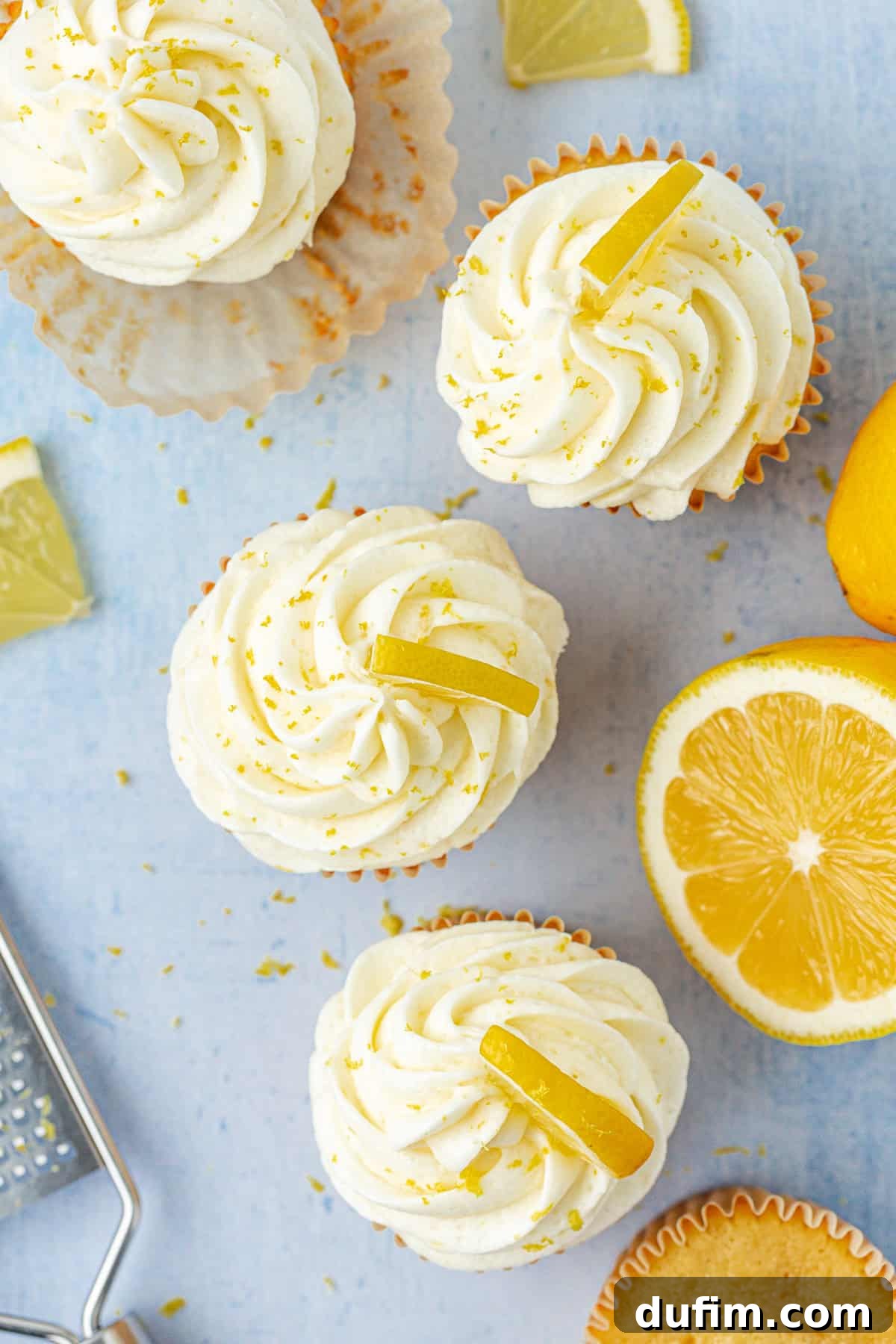
Delightful Ways to Use Your Lemon Buttercream Frosting
The versatility of this lemon buttercream frosting is one of its most appealing qualities. Its bright, refreshing flavor makes it a fantastic pairing for a wide array of desserts, adding a gourmet touch to both simple and elaborate creations. Here are just some of the many delicious ways you can put your freshly made frosting to use:
- Cupcakes or Cake: This is a classic choice! Bring a burst of fresh lemon flavor to a classic vanilla layer cake or intensify the citrus notes on a lemon layer cake or lemon cupcakes. The creamy texture holds its shape beautifully for piping.
- Vanilla Cupcakes: Elevate simple vanilla cupcakes with a swirl of tangy lemon frosting. It’s a match made in heaven that appeals to almost everyone.
- Strawberry Shortcake Cupcakes: Imagine fluffy strawberry shortcake cupcakes frosted with this bright lemon buttercream and topped with fresh, juicy strawberries. The combination of sweet berries and tart lemon is truly exquisite.
- Sugar Cookies: Whether you’re making regular sugar cookies or specially crafted lemon sugar cookies, a dollop or thin spread of lemon frosting adds a professional finish and an irresistible flavor.
- Lemon Bars: For an extra layer of sweetness and creaminess, add a thin layer of this frosting over classic lemon bars. It’s an indulgence that takes this tangy treat to the next level.
- Lemon Scones: Forget plain butter! Spread this lemon buttercream on warm lemon scones for a decadent breakfast or afternoon tea treat.
- Pound Cake: This frosting is an ideal companion for both traditional pound cake and especially a lemon pound cake, adding moisture and a rich, tangy finish.
- Crepes: Use it as a luscious filling for delicate crepes, perhaps layered with fresh mixed berries for a sophisticated dessert or brunch item.
- Waffle or Pancake Spread: Ditch the syrup for a change! This creamy lemon frosting makes an incredible, luxurious topping for warm waffles or fluffy pancakes, offering a unique citrus twist.
- Muffin Spread: Spread a generous amount onto warm lemon muffins for an extra burst of flavor and a touch of indulgence, turning a simple muffin into a dessert-like experience.
Frequently Asked Questions About Lemon Buttercream
This lemon frosting recipe is a classic American buttercream, known for its rich butter base and airy, fluffy texture achieved by whipping butter with powdered sugar and a liquid.
This recipe yields approximately 2.5 cups of frosting, which is enough to generously frost a 9×13 inch sheet cake, a beautiful two-layer 8-inch round cake, or about 24 standard-sized cupcakes.
Yes, absolutely! For a visually stunning, bright yellow lemon-colored frosting, add just a drop or two of yellow gel food coloring while mixing. Gel colors are best as they won’t thin the consistency of your buttercream.
Air bubbles typically form when the frosting is whipped on high speed. To minimize them and achieve a silky-smooth finish, after the frosting is fully mixed and fluffy, reduce your mixer speed to low and let it run for 1-2 minutes. Alternatively, you can gently mix the frosting by hand with a sturdy spatula, pressing out the air pockets against the side of the bowl. This technique “kneads” the air out, leaving a smoother texture.
The terms are sometimes used interchangeably, but generally, icing is thinner and often made with powdered sugar and a minimal amount of liquid (like water, milk, or lemon juice), used for pouring or drizzling. Buttercream, on the other hand, is a richer, thicker frosting made with a substantial amount of butter, powdered sugar, and a liquid (like cream or milk), designed to be spread or piped onto baked goods.
When adding lemon juice to the butter mixture, it might initially appear to curdle or separate. This is normal! The key is to keep beating the frosting. The mixture needs time to properly emulsify. Ensure your butter is at the correct room temperature and add liquids gradually to aid in this process. With continued beating, it will come back together beautifully.
If you over whip buttercream frosting, particularly on high speed for too long, it can incorporate too much air, leading to large air pockets and a crumbly, rough texture. To fix this, simply switch to a low mixer speed or use a spatula to gently mix and press the frosting by hand against the sides of the bowl. This action helps to release the excess air, resulting in a smoother, more desirable texture.
Discover More Delicious Frosting Recipes
If you’ve enjoyed perfecting this lemon buttercream, you’ll love exploring other frosting creations. Expand your baking repertoire with these fantastic recipes, perfect for various cakes, cupcakes, and cookies:
- Oreo Frosting: A decadent, cookie-filled frosting that’s a crowd-pleaser for chocolate lovers.
- Classic Vanilla Frosting: The essential, versatile buttercream that pairs with almost any dessert.
- Rich Coffee Frosting: A sophisticated buttercream with a delightful espresso kick, perfect for chocolate cakes.
- Decadent Salted Caramel Frosting: A sweet and savory delight that adds a gourmet touch to any treat.
Rated 4.5 out of 5 stars by 4 users!
The Best Homemade Lemon Frosting Recipe
Print Recipe
Equipment
-
Glass Mixing Bowl
-
KitchenAid 9-Speed Mixer
-
Spatula
-
Kitchen Scale
Ingredients
- 1 cup (226g) unsalted butter, room temperature
- 3 ½-4 ½ cups (395-510g) powdered sugar
- 2 Tbsp fresh lemon juice
- 2 Tbsp heavy whipping cream, milk can be substituted
- ½ tsp salt
- 2 tsp (from 1 lemon) lemon zest, optional
Instructions
-
In a stand mixer or using a hand mixer, beat the butter on medium speed for 1-2 minutes, until light and fluffy.1 cup (226g) unsalted butter
-
Gradually add 3 ½ cups of powdered sugar, lemon juice, heavy whipping cream, salt and the lemon zest, mixing on low until combined. Increase the speed to high and beat for 2-3 minutes. Adjust the sweetness by adding more powdered sugar if desired. If it’s too thick, thin with 2-4 additional teaspoons of heavy cream.3 ½-4 ½ cups (395-510g) powdered sugar,
2 Tbsp fresh lemon juice,
2 Tbsp heavy whipping cream,
½ tsp salt,
2 tsp 1 lemon lemon zest, optional -
Use right away on cupcakes or cake. Additionally, cover and store in the refrigerator for up to 1 week or in the freezer for up to 3 months. After freezing, let it thaw in the refrigerator, once cold and no longer frozen, move to the counter and allow it to come to room temperature. Before using, beat the frosting for 30-60 seconds to restore its creamy texture. If it’s still too stiff, add a small amount of milk or heavy cream and mix until smooth.
Nutrition
Calories: 881kcal |
Carbohydrates: 49g |
Protein: 1g |
Fat: 78g |
Saturated Fat: 49g |
Polyunsaturated Fat: 3g |
Monounsaturated Fat: 20g |
Trans Fat: 3g |
Cholesterol: 209mg |
Sodium: 479mg |
Potassium: 47mg |
Fiber: 0.04g |
Sugar: 48g |
Vitamin A: 2446IU |
Vitamin C: 5mg |
Calcium: 31mg |
Iron: 0.1mg
Nutrition Disclosure
All nutritional values are approximate and provided to the reader as a courtesy. Changing ingredients and/or quantities will alter the estimated nutritional calculations.
Enjoyed this recipe? Share your thoughts below!