
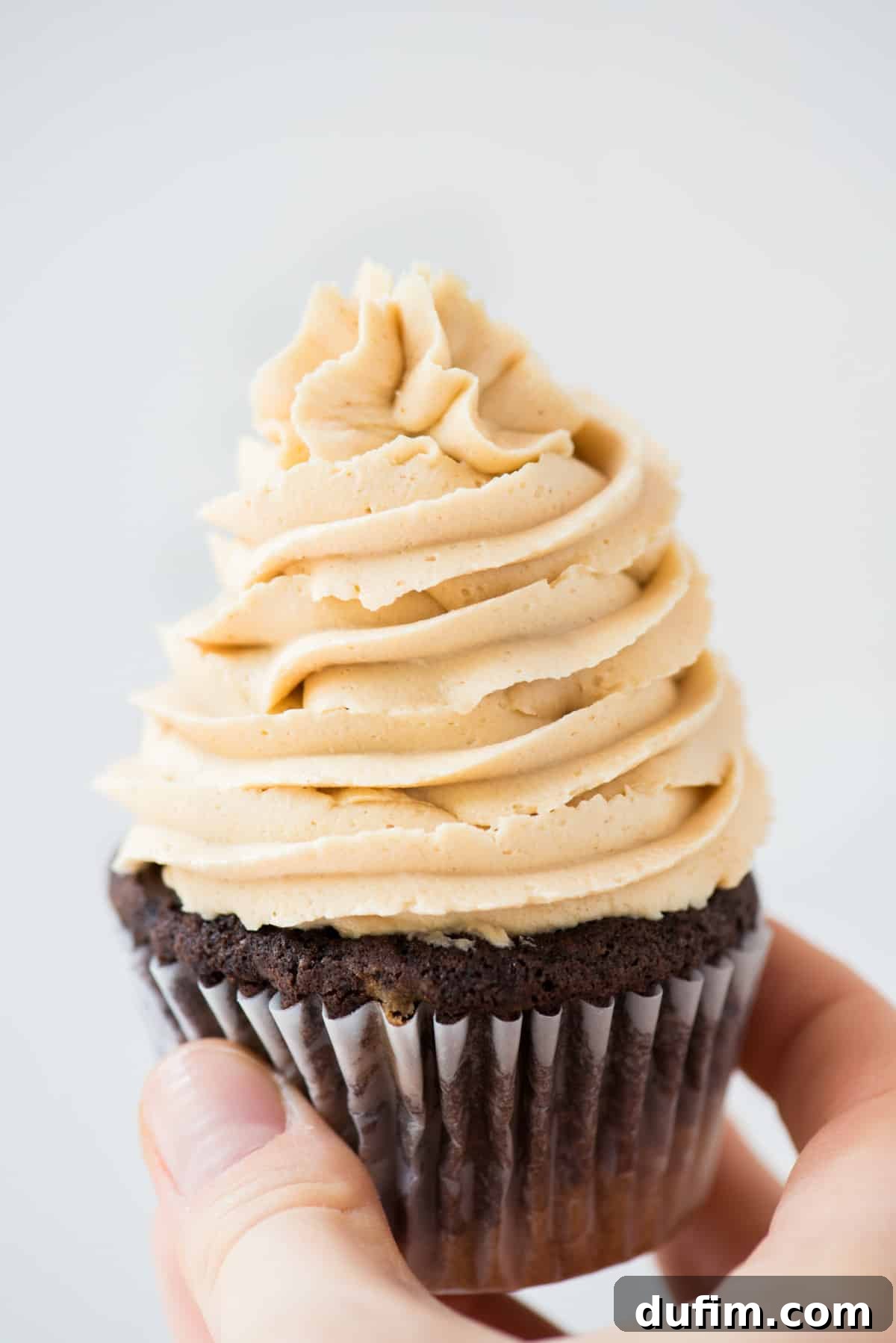
The Ultimate Recipe for Creamy Peanut Butter Buttercream Frosting: A Dessert Staple
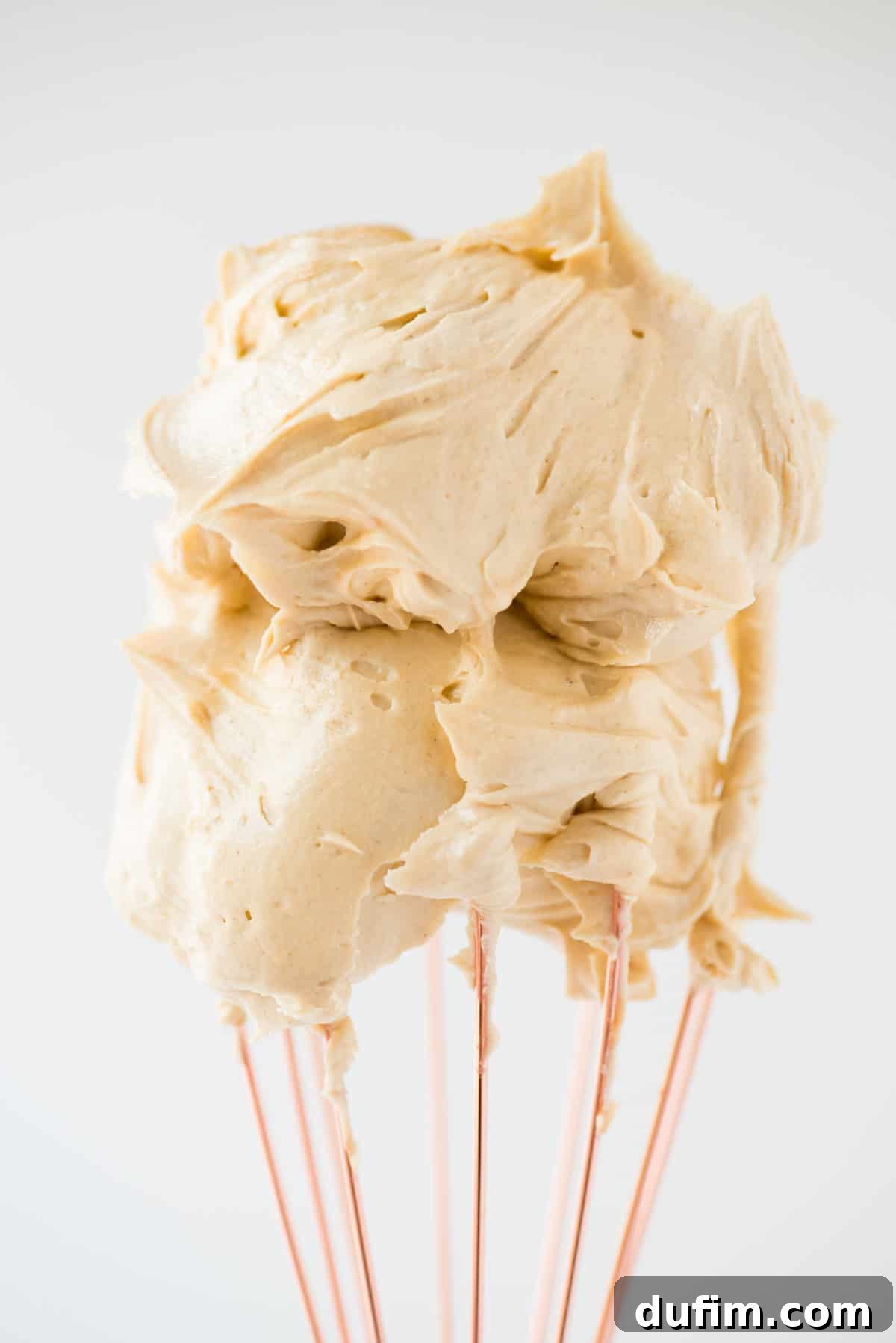
Prepare to meet your new obsession: this peanut butter buttercream frosting recipe is an absolute game-changer, destined to become a cherished classic in your baking repertoire for years to come. Gone are the days of struggling with disappointingly grainy textures, overly stiff consistencies, or frustratingly runny frostings. With our simple yet precise 3-step method and comprehensive tips, you are guaranteed to achieve a perfectly smooth, lusciously fluffy, and utterly irresistible frosting every single time. Get ready to elevate your desserts to a whole new level of peanut butter perfection!
“This was such an easy recipe! My first time making buttercream, and it turned out flawlessly. I even added a bit more peanut butter just because my family and I are huge peanut butter lovers, and it was absolutely divine!”
-Christie
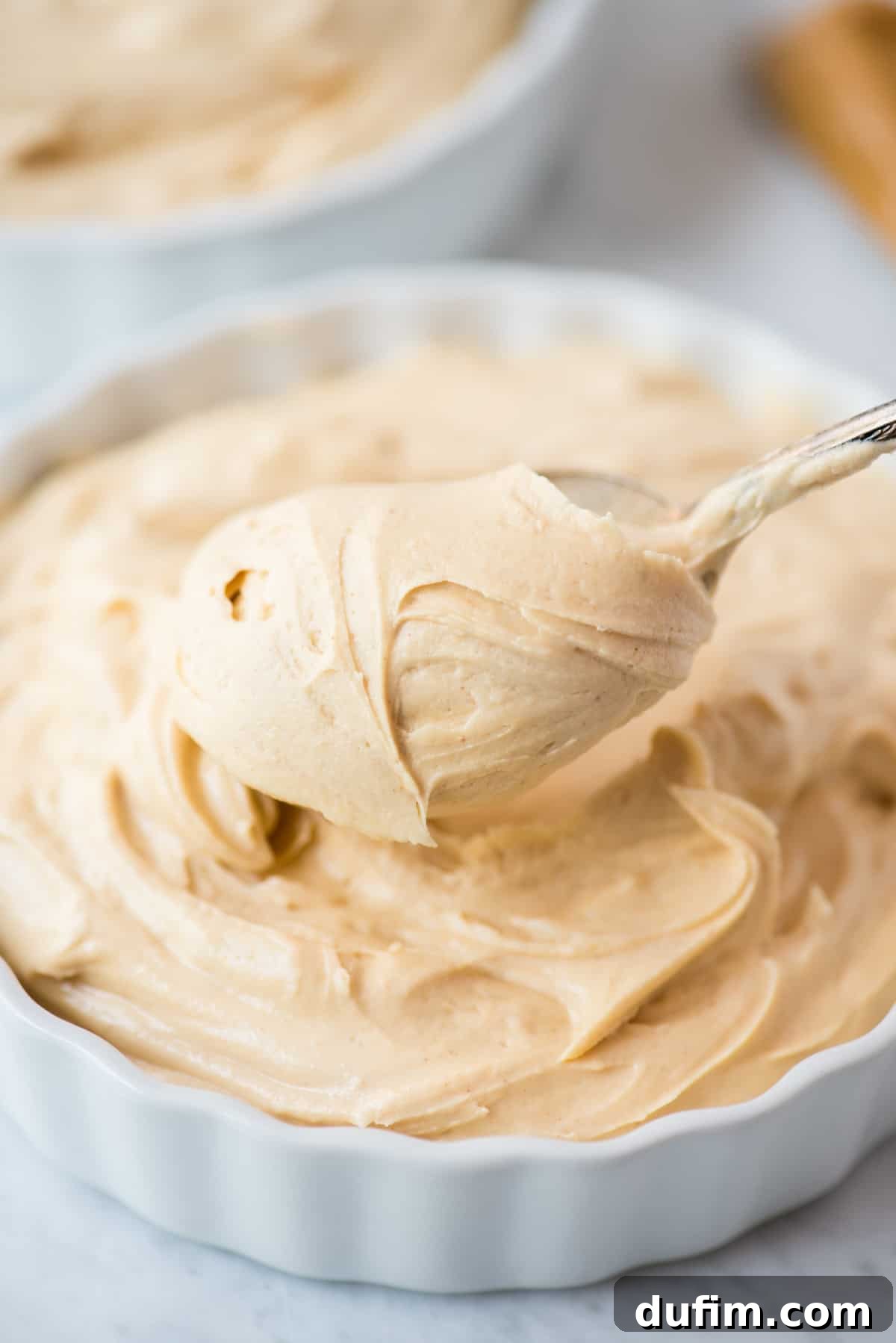
Why This Fluffy Peanut Butter Frosting Will Revolutionize Your Desserts
Today, we’re not just sharing another recipe; we’re unveiling a true dessert game-changer! If you’ve ever faced the common pitfalls of frosting – whether it’s an unappealing grainy texture, a consistency that’s too stiff to spread smoothly, or one that’s too runny to hold its shape – this recipe is your ultimate solution. We understand those frustrations intimately, and through careful refinement, we’ve developed a foolproof method to ensure your peanut butter buttercream is consistently perfect, solving all those common baking woes.
This exquisite peanut butter frosting, made with real, robust peanut butter, is an absolute essential for any baker’s collection. Its rich and comforting flavor profile makes it incredibly versatile, harmonizing beautifully with an extensive array of baked goods. From classic chocolate cakes to delicate white cupcakes and hearty brownies, its ability to complement and enhance is unparalleled. We’ll delve deeper into specific pairing recommendations further down the page, providing inspiration for countless delicious creations.
The true charm of this fluffy peanut butter buttercream lies not only in its divine taste and luxurious texture but also in its remarkable simplicity. It requires only a handful of readily available ingredients, meaning you likely have everything you need on hand right now. This makes spontaneous baking (or dessert enhancement!) a breeze, allowing you to whip up a batch of this decadent frosting in mere minutes, transforming ordinary treats into extraordinary delights.
And let’s be honest, few combinations are as iconic and beloved as peanut butter and chocolate! This frosting’s ultimate soulmate is a rich homemade chocolate frosting. Imagine these two swirled together on a towering cake or generously piped onto a batch of your favorite cupcakes – it’s a match made in dessert heaven that promises to captivate every palate. For those seeking another lighter, yet equally indulgent chocolate option, you will also adore our fluffy chocolate whipped cream!
What Exactly is Buttercream? Your Guide to This Versatile Frosting
Before we delve into the specifics of our peanut butter creation, let’s explore the foundation: what is buttercream? Buttercream is a beloved type of frosting, celebrated for its smooth, rich, and often fluffy texture, and its incredible versatility in cake and cupcake decoration. Essentially, it’s a confection made by creaming butter with powdered sugar (also known as confectioners’ sugar), often enhanced with milk or cream and flavorings like vanilla extract. This creaming process incorporates air, resulting in the characteristic lightness and volume of buttercream.
While there are several styles of buttercream around the world—such as Swiss Meringue, Italian Meringue, French, and German buttercreams, each with unique methods involving egg whites or yolks—the recipe we’re focusing on today is for **American Buttercream**. This is arguably the most popular and straightforward type, especially for home bakers. It’s known for its delightful sweetness, distinct buttery flavor, and ease of preparation. Unlike its meringue-based cousins, American buttercream doesn’t require any cooking, making it a quick and accessible option for bakers of all skill levels. Its firm yet pipeable consistency makes it ideal for decorating, holding intricate shapes beautifully, and providing a stable, delicious coating for a variety of baked treats.
The Simple Yet Essential Ingredients for Peanut Butter Buttercream
The magic of this peanut butter buttercream lies in its minimal, yet impactful, ingredient list. Each component is carefully selected to ensure the perfect balance of flavor, texture, and stability. Here’s a closer look at what you’ll need and the critical role each ingredient plays:
- Unsalted Butter, Room Temperature: This is the cornerstone of any great buttercream. We specify unsalted butter to give you complete control over the salt content in your frosting. The “room temperature” part is absolutely crucial – the butter should be soft enough to leave an indentation when gently pressed, but not oily or melted. Properly softened butter creams beautifully, incorporating air to create a light and fluffy base.
- Creamy Peanut Butter: The undeniable star of this recipe! For the best results, always choose a smooth, creamy peanut butter. Brands like Jif or Skippy, which are consistent in texture, are highly recommended. Avoid “natural” or “stir-at-the-top” peanut butters, as their higher oil content and tendency to separate can lead to a greasy, inconsistent, or even broken frosting. The stability of creamy peanut butter ensures a smooth, well-emulsified buttercream.
- Powdered Sugar (Confectioners’ Sugar): This finely milled sugar is essential for a silky-smooth frosting. Unlike granulated sugar, powdered sugar dissolves instantly, preventing any gritty texture. It also contains a small amount of cornstarch, which acts as an anti-caking agent and helps to stabilize the frosting, giving it body and structure.
- Vanilla Extract: A splash of high-quality vanilla extract is indispensable. It doesn’t just add its own delightful aroma; it subtly enhances and rounds out the rich flavor of the peanut butter, preventing the frosting from tasting flat and adding a depth of flavor.
- Dash of Milk or Heavy Cream (as needed): This is your control button for consistency. If your frosting is too thick after mixing, a small addition of milk or heavy cream will gradually thin it out to the perfect spreadable or pipeable consistency. Heavy cream will add a slightly richer mouthfeel, while milk offers a lighter option. Always add it one tablespoon at a time to avoid over-thinning.
- Optional: Fine Salt: A tiny pinch (1/8 to 1/4 teaspoon) of fine salt can remarkably elevate the flavor of your frosting. It balances the sweetness of the sugar and intensely magnifies the savory notes of the peanut butter, creating a more complex and satisfying taste profile.
Mastering the Method: How to Make Fluffy Peanut Butter Frosting in 3 Easy Steps
Crafting this irresistible peanut butter frosting is remarkably simple, broken down into three straightforward steps. The key to success lies in paying attention to ingredient temperatures and mixing techniques to achieve that perfect fluffy and creamy consistency.
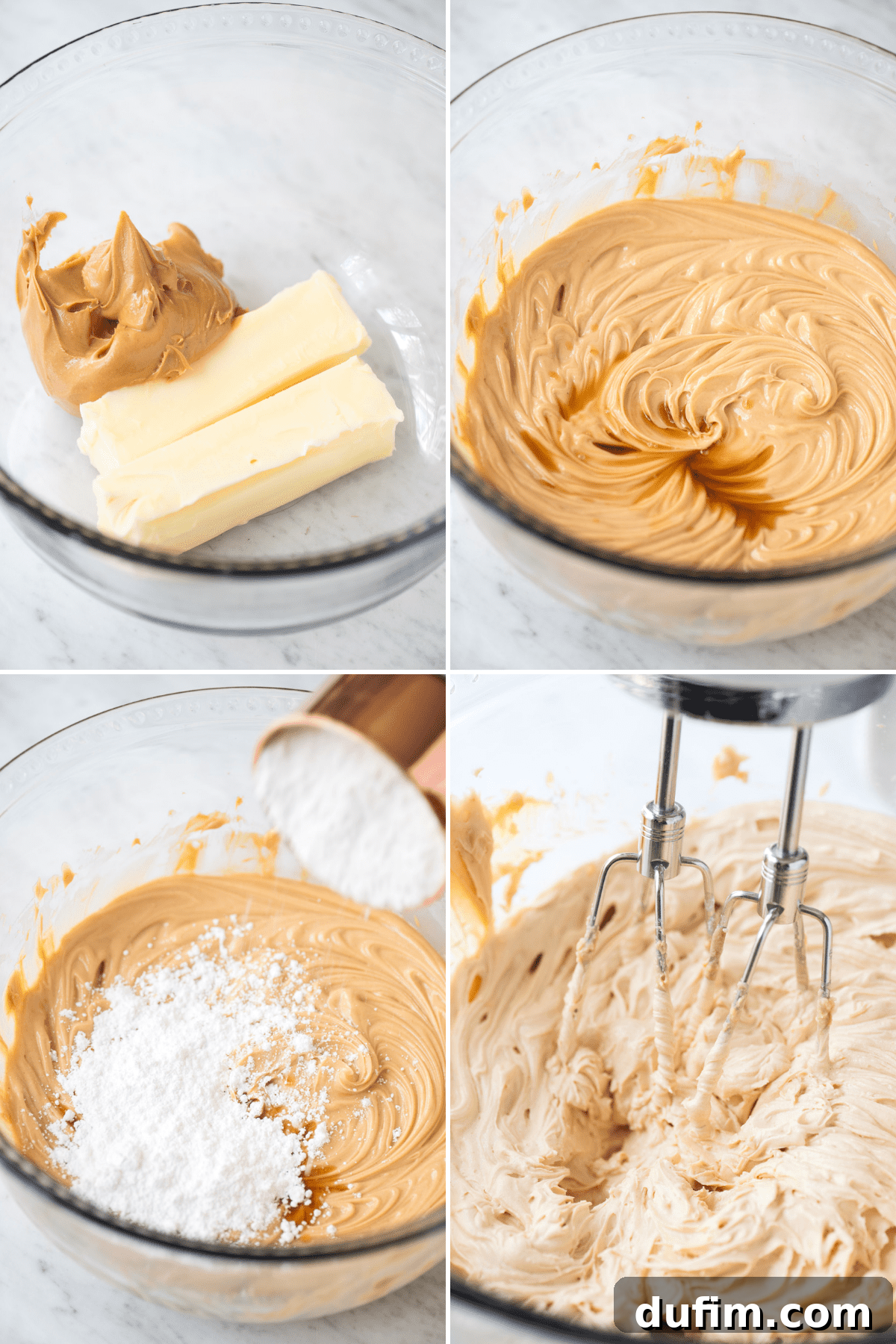
- Cream the Butter and Peanut Butter: In a large mixing bowl, combine your room temperature unsalted butter and creamy peanut butter. Using an electric mixer (either a stand mixer fitted with the paddle attachment or a powerful hand mixer) on medium speed, beat the mixture vigorously for at least 1 minute. Continue mixing until the butter and peanut butter are thoroughly combined, noticeably lightened in color, and have a whipped, fluffy texture. This crucial step incorporates air, which is fundamental for creating a light and airy buttercream. Ensure there are no visible lumps of butter remaining before moving on.
- Gradually Add Powdered Sugar and Flavorings: With the mixer on its lowest speed, begin gradually adding the powdered sugar. We recommend starting with 2 cups to avoid creating a “sugar cloud” in your kitchen. Once the sugar is partially incorporated, add the vanilla extract and your optional pinch of salt. Increase the mixer speed to low-medium and continue beating for another 1-2 minutes. During this process, be diligent about stopping frequently to scrape down the sides and bottom of the bowl with a rubber spatula. This ensures all the ingredients are fully combined, eliminating any dry pockets of sugar and resulting in a uniformly smooth and cohesive frosting.
- Adjust to Perfect Consistency: At this stage, evaluate the frosting’s consistency. If it appears too thick for your intended application (e.g., spreading smoothly or piping intricate designs), add milk or heavy cream, one tablespoon at a time. Beat the frosting on low speed after each addition, mixing just until the liquid is incorporated and the desired creamy, spreadable, or pipeable texture is achieved. Remember, it’s easier to add more liquid than to remove it, so proceed cautiously. If, by chance, your frosting becomes too thin, incorporate an additional tablespoon or two of powdered sugar, beating until it firms up to your liking.
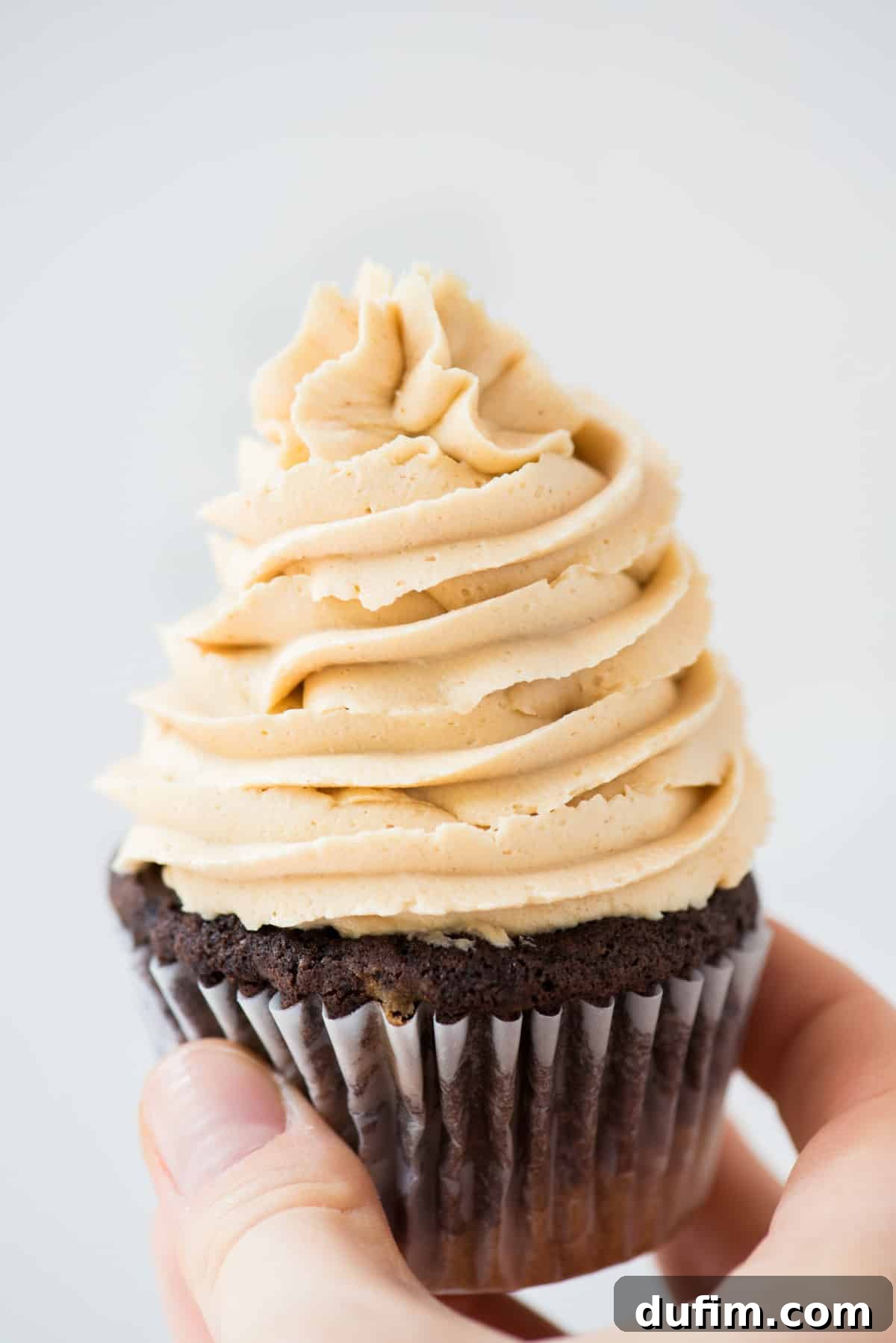
Expert Tips for the Silkiest, Fluffiest Peanut Butter Buttercream
While our recipe is designed for simplicity and success, incorporating a few expert tips can truly elevate your peanut butter buttercream from merely good to absolutely sublime. These insights will help you achieve that coveted silky-smooth texture and perfect consistency every single time:
- The Golden Rule: Room Temperature Butter: This is arguably the most critical factor for perfect buttercream. Butter that’s too cold will result in a lumpy, unmixable frosting, while butter that’s too warm or melted will create a greasy, runny mess. Your butter should be pliable enough to leave an impression when pressed, yet still firm enough to hold its shape. This ideal consistency allows it to whip easily, incorporating the necessary air for a light and fluffy texture.
- Whip Smartly, Not Excessively: Whipping is undeniably the key to fluffy frosting. In step 1, ensure you beat the butter and peanut butter until they are truly lightened and airy. However, once the powdered sugar is introduced, exercise a bit more caution. Mix just until all ingredients are thoroughly combined and smooth. Over-whipping *after* adding the sugar can sometimes incorporate too much air, leading to a frosting with excessive air bubbles, which can be less ideal for smooth spreading or intricate piping work.
- Select the Right Peanut Butter: Always opt for a creamy, traditional peanut butter for the best results. Brands renowned for their consistent texture, such as Jif or Skippy, perform exceptionally well. Natural peanut butters, characterized by their separated oil layer and often thicker, sometimes grainy texture, tend to cause the frosting to separate or become overly oily. Their inherent instability makes them less suitable for stable buttercream.
- Sift Your Powdered Sugar for Perfection: Although not strictly mandatory, taking an extra minute to sift your powdered sugar before adding it to the mixture is a game-changer. This simple step removes any small lumps, ensuring your frosting is flawlessly smooth and utterly free of grittiness. It makes a noticeable difference in the final texture of your buttercream.
- Embrace Adjustments: Remember that frosting consistency can be sensitive to environmental factors like room temperature and humidity. Always be prepared to make minor adjustments. If your frosting is too thick, add milk or cream in small increments. If it’s too thin, incorporate an extra tablespoon or two of powdered sugar until you reach your desired consistency. Don’t be afraid to trust your instincts!
- Enhance with a Pinch of Salt: If you’re using unsalted butter and peanut butter, a tiny pinch of fine salt (about 1/8 to 1/4 teaspoon) can work wonders. It doesn’t make the frosting salty but rather enhances the natural flavor of the peanut butter and expertly balances the sweetness, preventing the frosting from being overly cloying and creating a more harmonious taste.
Perfect Pairings: Elevating Desserts with Peanut Butter Buttercream
The remarkable versatility of this creamy peanut butter buttercream is one of its most delightful characteristics. Its rich, sweet, and slightly savory flavor profile makes it an exceptional partner for a vast array of desserts. While it’s utterly delicious straight from the bowl, here are some of our top recommendations for pairings that truly allow this frosting to shine, creating unforgettable flavor combinations:
- Doctored Up Chocolate Cupcakes: The timeless combination of chocolate and peanut butter is a guaranteed crowd-pleaser. This frosting takes any chocolate cupcake from delightful to decadently gourmet.
- Homemade Brownies: Generously spread this buttercream over warm or cooled brownies for an incredibly indulgent and comforting treat. The creamy layer beautifully contrasts with the dense, fudgy texture of the brownie.
- Classic White Cupcakes: The subtle, delicate flavor of white cupcakes provides a perfect blank canvas, allowing the bold and sweet notes of the peanut butter frosting to truly stand out.
- Doctored Up White Cake: Transform a simple white cake into a magnificent center-piece by layering it with this exquisite peanut butter goodness.
- Sugar Cookie Bars: Move beyond traditional vanilla frosting! This peanut butter buttercream offers a unique and incredibly flavorful twist on sugar cookie bars that will have everyone asking for the recipe.
- Peanut Butter Cake: For the ultimate peanut butter aficionado, double down on the flavor by pairing this frosting with a rich peanut butter cake. It’s a dream come true!
- Easy Oreo Cupcakes: The delightful crunch and intense chocolate flavor of Oreo cookies find their perfect creamy counterpart in this sweet peanut butter frosting.
- Homemade Chocolate Cupcakes: Much like their doctored-up counterparts, classic homemade chocolate cupcakes are an inherently perfect match for this luxurious and flavorful frosting.
- Banana Bread or Muffins: For a surprisingly delightful and comforting combination, spread a thin layer of this frosting on slices of slightly warm banana bread or on top of freshly baked banana muffins. The natural sweetness and fruitiness of the banana complement the peanut butter wonderfully.
- Whoopie Pies: Utilize this creamy buttercream as an incredible filling for homemade chocolate or even seasonal pumpkin whoopie pies for an extra special treat.
- Graham Crackers or Apple Slices: For a quick, satisfying, and slightly healthier snack, spread a dollop of this frosting on crisp graham crackers or fresh apple slices. It’s an easy way to enjoy the rich peanut butter flavor without a full dessert.
Storing Your Homemade Peanut Butter Frosting for Optimal Freshness
Proper storage is crucial for maintaining the freshness, flavor, and delightful texture of your homemade peanut butter buttercream. Knowing how to store it correctly ensures it’s ready whenever your next baking inspiration strikes.
For short-term storage, if you plan to use the frosting within a day or two and your kitchen is not excessively warm, you can keep it in a sealed, airtight container at room temperature. This is convenient for quick access and maintains a soft, ready-to-use consistency.
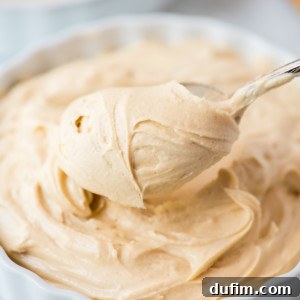
For longer periods, store your frosting in a sealed, airtight container in the refrigerator for up to 1 week. When you’re ready to use it, remove it from the fridge and allow it to gradually come to room temperature. This can take anywhere from 30 minutes to a couple of hours, depending on the volume of frosting and your kitchen’s ambient temperature. Once it has softened, give it a quick whip with an electric mixer for about 1-2 minutes until it regains its smooth, creamy, and fluffy texture. This re-incorporates any ingredients that may have slightly separated during chilling.
Can You Freeze Peanut Butter Frosting? Absolutely! This buttercream freezes exceptionally well, making it perfect for preparing ahead. Place the frosting in a freezer-safe, airtight container, pressing a piece of plastic wrap directly onto the surface of the frosting before sealing the container. Store it in the freezer for up to 1 month. When you’re ready to use it, transfer the frozen frosting to the refrigerator to thaw overnight. Once thawed, bring it to room temperature on the counter, then re-whip it with an electric mixer until it’s beautifully light and fluffy again, just like it was freshly made.
Frequently Asked Questions About Peanut Butter Frosting
Yes, this peanut butter buttercream frosting recipe is naturally gluten-free! The primary ingredients – butter, creamy peanut butter, powdered sugar, vanilla extract, and milk or heavy cream – are typically free of gluten. However, it is always a good practice to double-check the labels of all your specific brands, particularly the peanut butter, to ensure there are no hidden gluten-containing additives, especially if you are preparing this for someone with severe gluten sensitivities or celiac disease.
Air bubbles commonly form when whipping buttercream, as incorporating air is a deliberate and necessary step to achieve that desirable light and fluffy texture. If you notice an excessive amount of large air bubbles that affect the smoothness of your frosting, there are effective ways to reduce them. After all the ingredients are thoroughly mixed, switch your electric mixer to its lowest speed and continue beating the frosting for an additional 1-2 minutes. This slow mixing helps to push out trapped air. Alternatively, you can use a sturdy rubber spatula to hand-mix the frosting, pressing it firmly against the sides of the bowl. This method also works to eliminate air bubbles, resulting in a much smoother, denser frosting, which is particularly beneficial for piping intricate designs.
Frosting separation is most often attributed to the type of peanut butter used. Natural peanut butter, which is characterized by its tendency for oil separation and often a thicker, less uniform consistency, can cause your frosting to “break” or separate. The higher oil content in natural varieties doesn’t emulsify as effectively with the butter and sugar, leading to a greasy or curdled appearance. To prevent this, we strongly recommend using a classic, creamy peanut butter (like Jif or Skippy) that doesn’t require stirring, as these offer optimal stability. If separation occurs, try chilling the frosting in the refrigerator for 15-20 minutes, then re-whipping it on medium speed to bring it back together.
A runny peanut butter frosting usually indicates that one or more ingredients, especially the butter, were too warm. Overly softened or melted butter won’t create a stable emulsion with the powdered sugar, resulting in a thin, liquid consistency. Ensure your butter is at a cool room temperature – soft to the touch but still firm. If your kitchen is warm, you might need to briefly chill your mixing bowl or butter. To rescue runny frosting, gradually add an additional 1/4 to 1/2 cup of sifted powdered sugar, one tablespoon at a time, beating after each addition until the desired thickness is achieved. You can also place the bowl of frosting in the refrigerator for 15-30 minutes to allow the butter to firm up, then re-whip it.
While both are delectable dessert toppings, whipped cream and buttercream differ significantly in their composition, texture, and stability. Whipped cream is a light and airy topping created by whipping heavy cream, typically sweetened with sugar and flavored with vanilla. It has a delicate, cloud-like texture and is best consumed immediately due to its lower stability; it can deflate or weep over time. Buttercream, conversely, is a much richer, thicker, and more stable frosting. Its main components are butter, powdered sugar, and various flavorings. Buttercream’s robust structure makes it perfect for piping intricate decorations, filling multi-layered cakes, and maintaining its shape for extended periods, even at room temperature. This makes it a more versatile and durable choice for elaborate baking projects.
While you technically *can* use crunchy peanut butter, be aware that it will fundamentally alter the texture of your frosting. Instead of the smooth, velvety buttercream described here, you will end up with a frosting that has distinct peanut pieces throughout. This might be a delightful textural addition for some, but it will make smooth spreading or intricate piping work much more challenging. If you prefer a chunky texture, feel free to experiment, but expect a different consistency than the classic smooth buttercream.
If you prefer a less sweet frosting, you have a few options. First, start with the lower end of the powdered sugar range (2 cups) and only add more if absolutely necessary for consistency. Second, as mentioned in our tips, a tiny pinch of fine salt (1/8 to 1/4 teaspoon) can dramatically balance and cut through sweetness, enhancing the savory peanut butter flavor. Lastly, ensure you’re using unsalted butter and a peanut butter brand without added sugars to give you maximum control over the overall sweetness level.
Peanut butter frosting naturally has a lovely light brown or tan hue. If you wish to alter its color, we recommend using gel food coloring. Gel colors are highly concentrated and, unlike liquid food colorings, will not thin out your frosting. Add a very small amount using a toothpick, mix it thoroughly, and then gradually add more until you achieve your desired shade. Keep in mind that the inherent color of the peanut butter will influence the final result, so achieving extremely vibrant or delicate pastel colors might require a bit more effort or a larger quantity of coloring.
As written, this recipe is not dairy-free or vegan because it calls for traditional butter and may use cow’s milk or heavy cream. However, it is easily adaptable! To make it dairy-free and vegan, simply substitute the unsalted butter with a high-quality, plant-based vegan butter substitute (ensure it is formulated for baking and has a firm texture at room temperature, similar to dairy butter). For the liquid, use a dairy-free milk alternative such as almond milk, soy milk, or oat milk. Always remember to check the label of your chosen peanut butter as well, as a very small number of brands might contain dairy by-products, though most are vegan-friendly.
Tap stars to rate!
Homemade Peanut Butter Frosting
Rate
Equipment
-
Large Mixing Bowl
-
Electric Mixer (Stand or Handheld)
-
Rubber Spatula
Ingredients
- 1 cup (226g) unsalted butter, room temperature, (2 sticks)
- ¾ cup (201g) creamy peanut butter
- 2-3 cups (227-340g) powdered sugar, (sifted for best results)
- 1 tsp vanilla extract
- 1-2 tbsp milk or heavy cream, (if frosting becomes too thick)
- Optional: 1/8-1/4 tsp fine salt
Instructions
-
Place room temperature unsalted butter and creamy peanut butter in a large mixing bowl. Using an electric mixer on medium speed, beat the mixture vigorously for at least 1 minute, or until it becomes noticeably whipped, light, and fluffy. Ensure no lumps of butter remain.1 cup (226g) unsalted butter, room temperature, 3/4 cup (201g) creamy peanut butter
-
With the mixer on its lowest speed, begin gradually adding the powdered sugar (starting with 2 cups) to prevent a sugar cloud. Once partially incorporated, add the vanilla extract and optional salt. Increase the speed to low-medium and beat for another 1-2 minutes, continually scraping down the sides and bottom of the bowl with a spatula, until everything is fully combined and smooth.2-3 cups (227-340g) powdered sugar, 1 tsp vanilla extract, optional salt
-
If the frosting is too thick for spreading or piping, add milk or heavy cream, one tablespoon at a time, beating on low speed after each addition until it reaches your desired creamy consistency. If too thin, incorporate an additional tablespoon or two of powdered sugar until it firms up. Spread or pipe onto your chosen desserts like cake, cupcakes, or brownies.1-2 tablespoons milk or heavy cream, as needed
Notes
For comprehensive storage instructions, including freezing tips, and detailed answers to common questions like how to avoid air bubbles or fix runny frosting, please refer to the dedicated sections within the main article above (“Storing Your Homemade Peanut Butter Frosting for Optimal Freshness” and “Frequently Asked Questions About Peanut Butter Frosting”).
Nutrition
Calories: 231kcal |
Carbohydrates: 17g |
Protein: 3g |
Fat: 18g |
Saturated Fat: 9g |
Polyunsaturated Fat: 2g |
Monounsaturated Fat: 6g |
Trans Fat: 1g |
Cholesterol: 30mg |
Sodium: 57mg |
Potassium: 83mg |
Fiber: 1g |
Sugar: 16g |
Vitamin A: 353IU |
Calcium: 9mg |
Iron: 1mg
Nutrition Disclosure
All nutritional values are approximate and provided to the reader as a courtesy. Changing ingredients and/or quantities will alter the estimated nutritional calculations. For precise dietary information, please consult a certified nutritionist or dietitian.
Love this irresistible recipe? We’d be thrilled if you could rate it and share your thoughts in the comments below! Your feedback helps other bakers discover and enjoy this delicious treat.