

Making a giant cookie seems straightforward until you work with dough scaled up — it behaves very differently. My lemon sugar cookies are already a reader favorite, but turning them into bakery-style, two-handed cookies required rethinking spread, texture, and flavor intensity. This version uses only egg yolks, four to five tablespoons of fresh lemon zest, and a chilling step in the freezer that keeps the cookies thick and chewy from edge to center. After four rounds of testing, I landed on this formula. Your first batch should come out great.
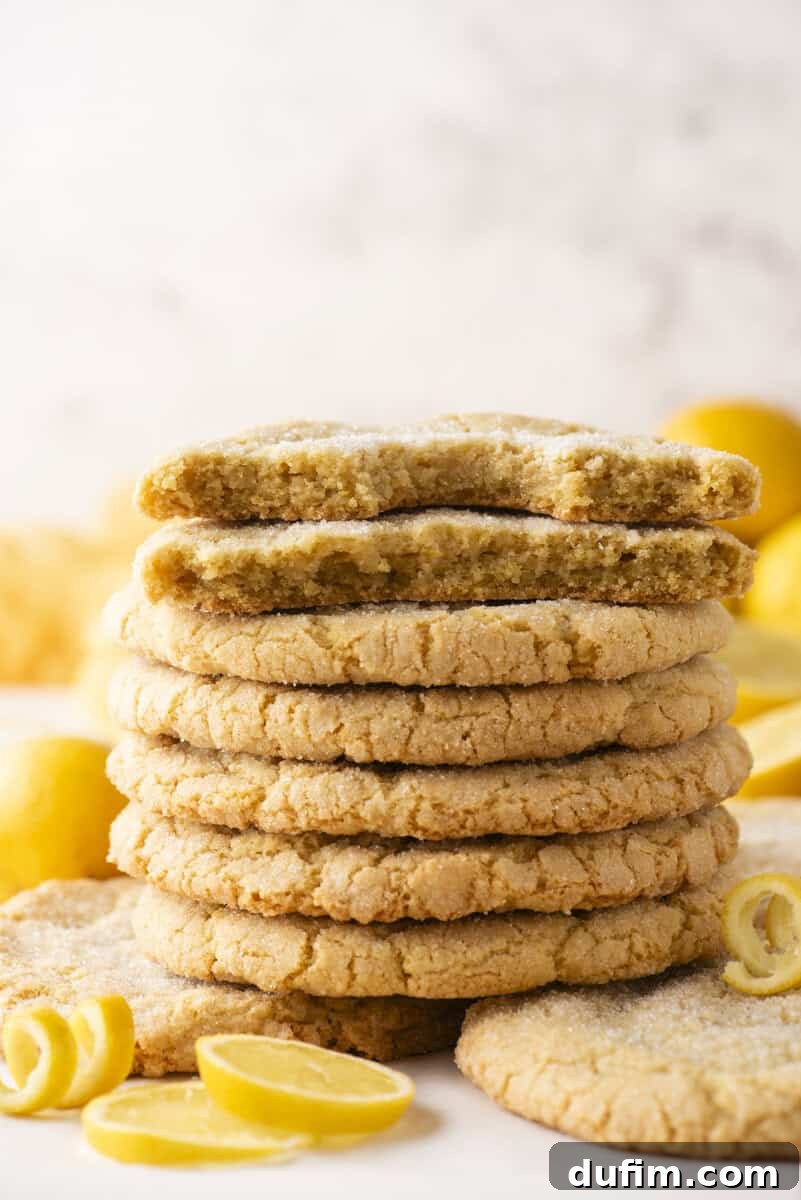
When you increase the size of a cookie, everything changes: dough spreads more, bake times shift, and flavors can get diluted. To keep a strong lemon profile in a large cookie, you need generous zest and a technique that distributes those oils evenly through the dough. I tested multiple variations for structure and flavor, and the version below balances bold citrus with a chewy, tender crumb.
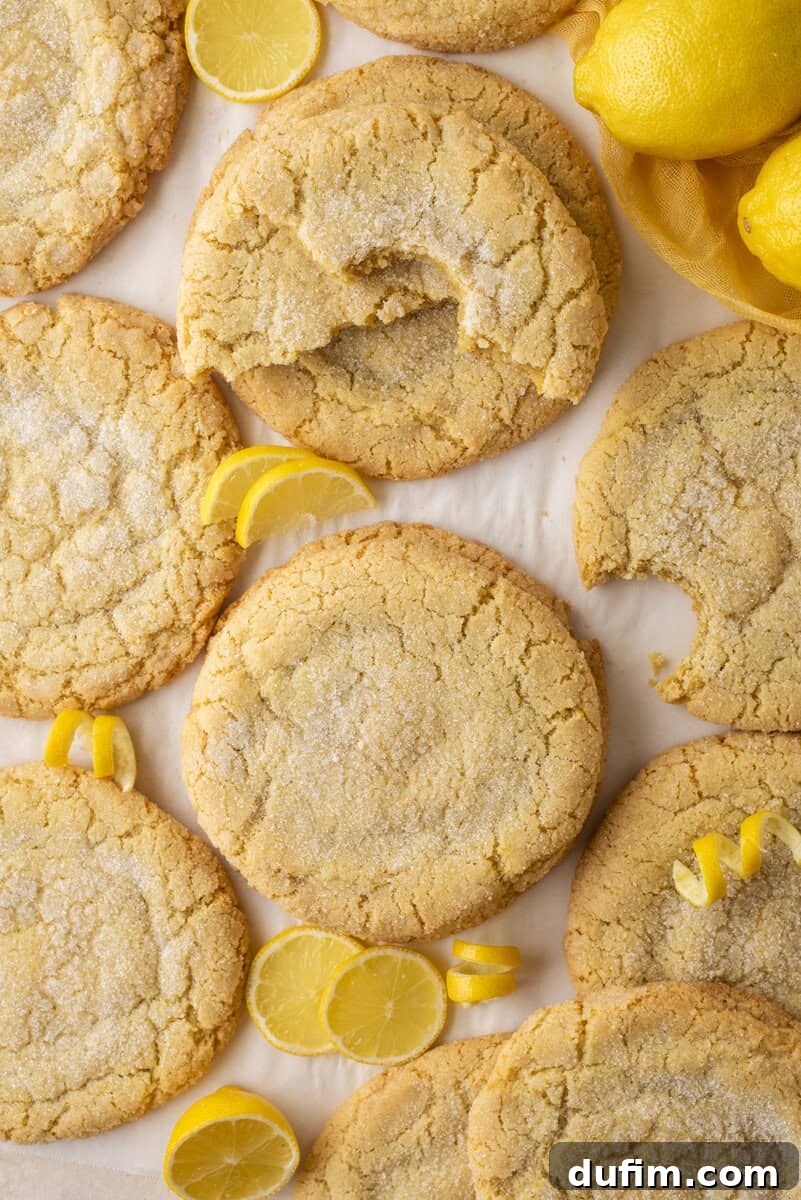
Why These Cookies Are Different
Three key choices set this recipe apart from other lemon sugar cookies:
- Only egg yolks. Whole eggs add lift and moisture, which can cause a thick cookie to spread and become cakey. Using three yolks gives richness and chew without puffing up.
- 4 to 5 tablespoons of fresh lemon zest. Most recipes call for teaspoons, but large cookies need a lot more zest to deliver a clearly lemony flavor. Rubbing the zest into the granulated sugar before creaming releases essential oils and disperses the citrus throughout the dough.
- Freeze the dough pucks. I tried refrigerated and frozen options; the freezer consistently produced thicker, better-shaped cookies. Two hours in the freezer is the ideal chill time for these large pucks.
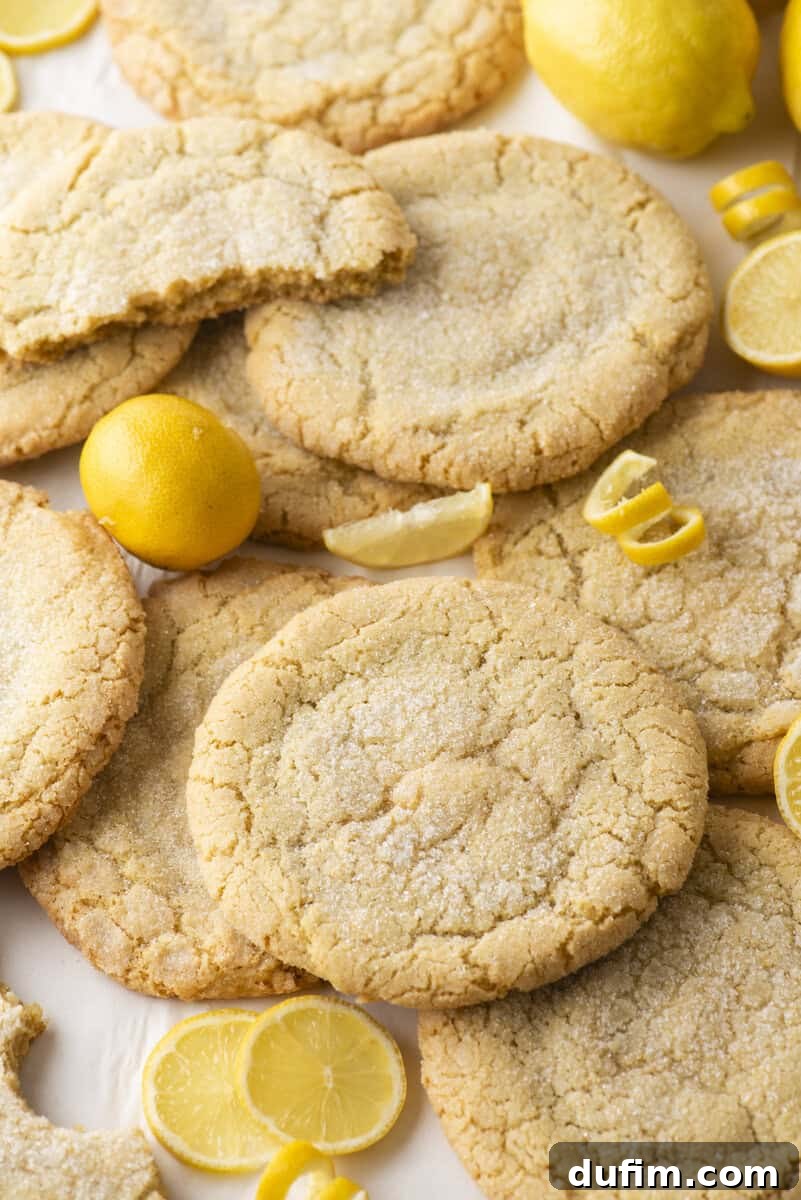
Testing Notes
Test one used the scaled-up egg ratio from the original recipe and produced cookies that spread too much at a 3.5-inch diameter. The lemon flavor was present but became muted in the larger mass, so I increased the zest in subsequent trials.
Test two added more zest and optional lemon extract. Flavor improved, but spread remained an issue even after refrigeration. That pointed to the whole egg as a likely cause of excess spread.
Test three experimented with pudding mix to thicken the dough and added a little extra flour. While this improved structure, it changed the flavor in ways I didn’t love. A version pressed into 3-inch pucks and refrigerated for about 80 minutes showed promise for shape and chew.
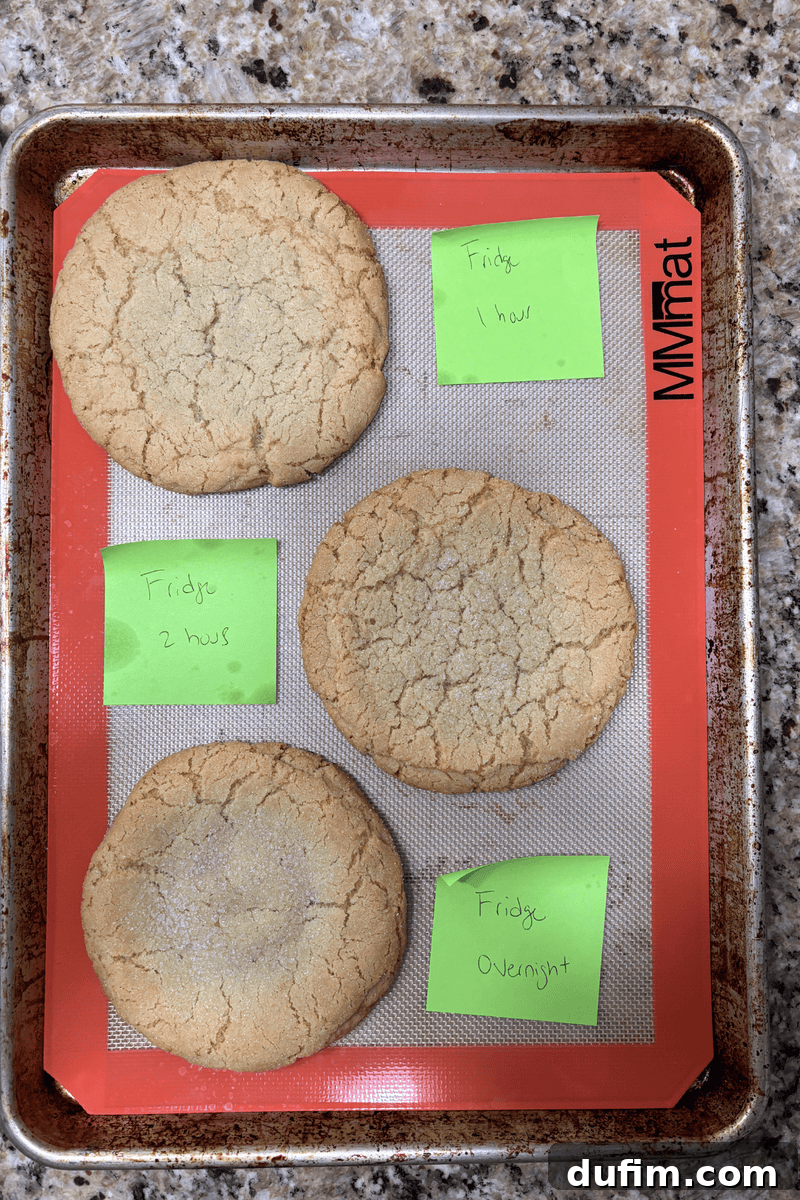
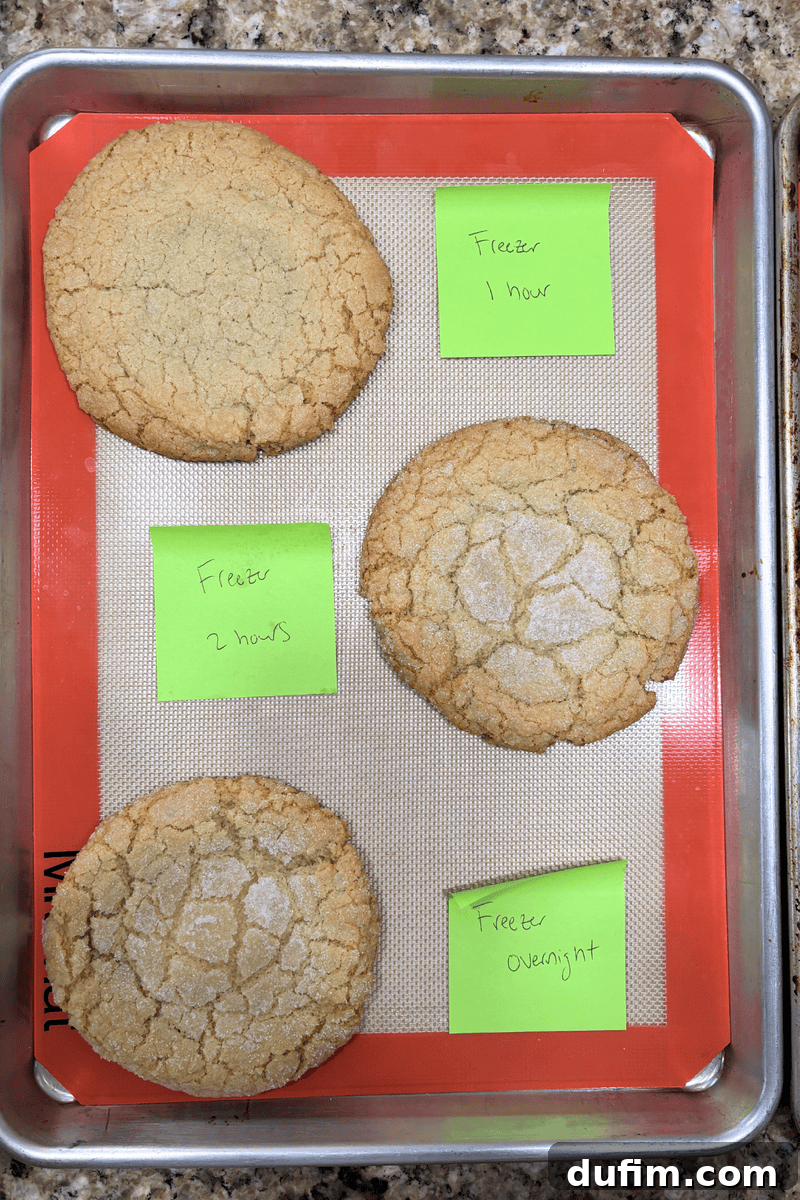
Test four removed the whole egg entirely and used three yolks plus more brown sugar. I compared chilling methods: fridge for one, two, and overnight; freezer for one hour, two hours, and overnight. The freezer batches looked best, with two hours or overnight producing my favorite results.
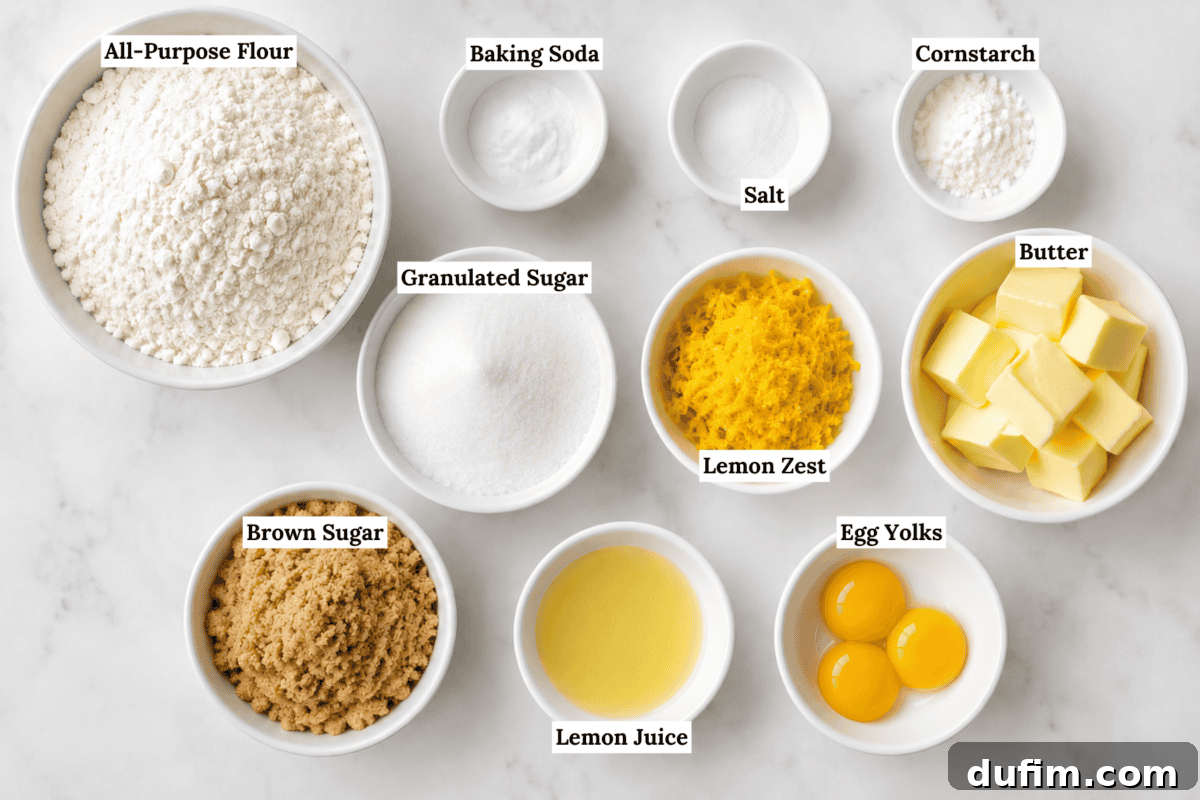
Key Ingredients & Their Purpose
Here’s an overview of the most important ingredients and why they matter:
- Fresh lemon zest: Use zest from 4–5 lemons. Rub it into the granulated sugar before creaming to release oils and evenly distribute citrus flavor.
- Egg yolks: Three yolks (no whites) provide fat and richness, keeping the cookie soft and chewy without puffing up.
- Brown sugar: Adds moisture and a subtle caramel note. It also helps the centers remain soft after cooling.
- Cornstarch: A small amount tenderizes the crumb without making the cookie cakey.
- Unsalted butter: Room-temperature butter creams properly with the sugar to build structure; cold butter won’t give the same texture.

How to Make Giant Lemon Sugar Cookies
Follow these steps or jump to the recipe card for the full ingredient list and measurements.
Combine dry ingredients: Whisk together the flour, baking soda, salt, and cornstarch. Set aside.
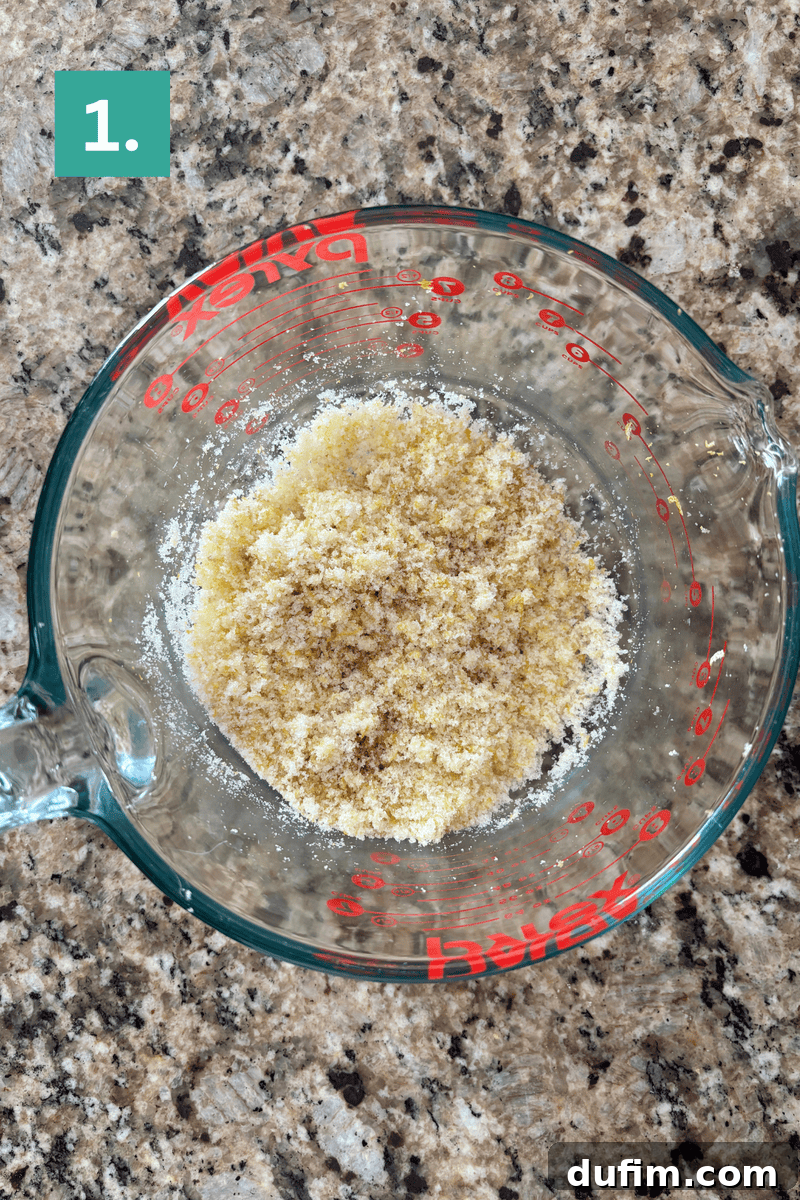
Make lemon sugar: Combine the granulated sugar and lemon zest in a large bowl. Rub the zest into the sugar with your fingers until fragrant and evenly combined.
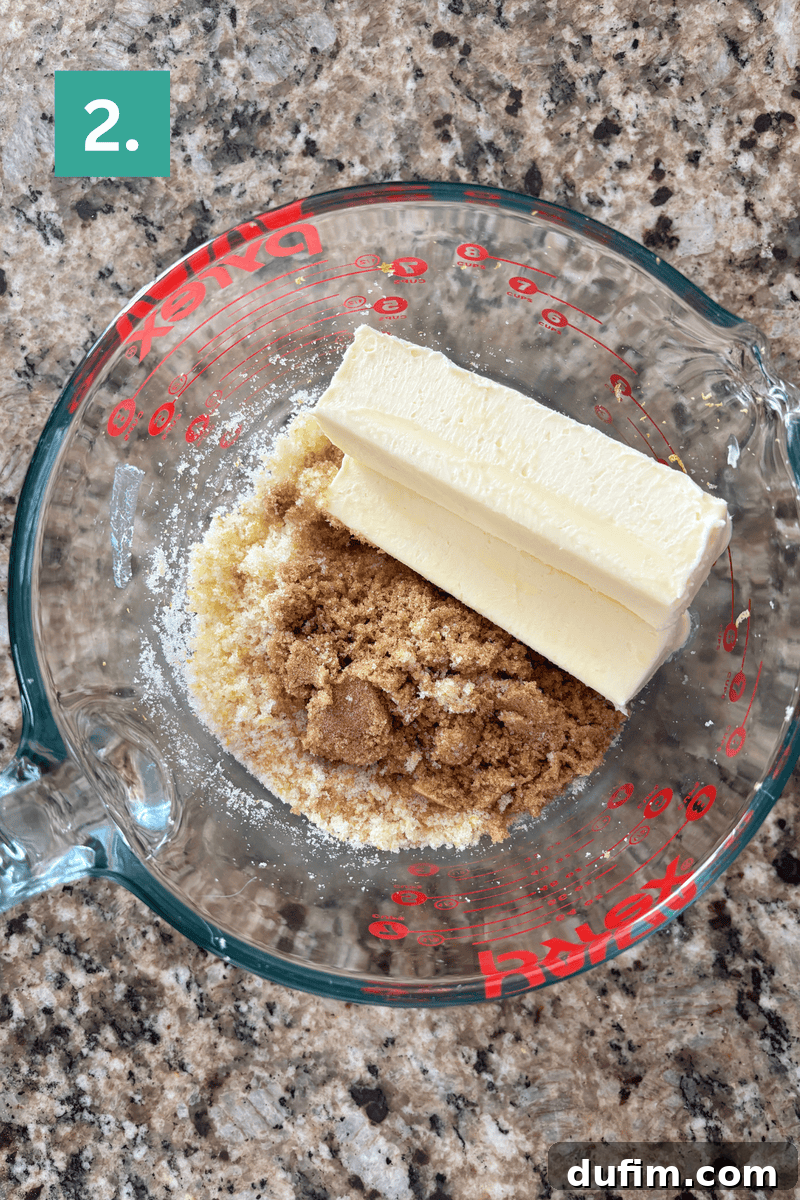
Cream butter and sugars: Add the butter and brown sugar to the lemon sugar and beat on medium-high for 2–3 minutes until light and fluffy.
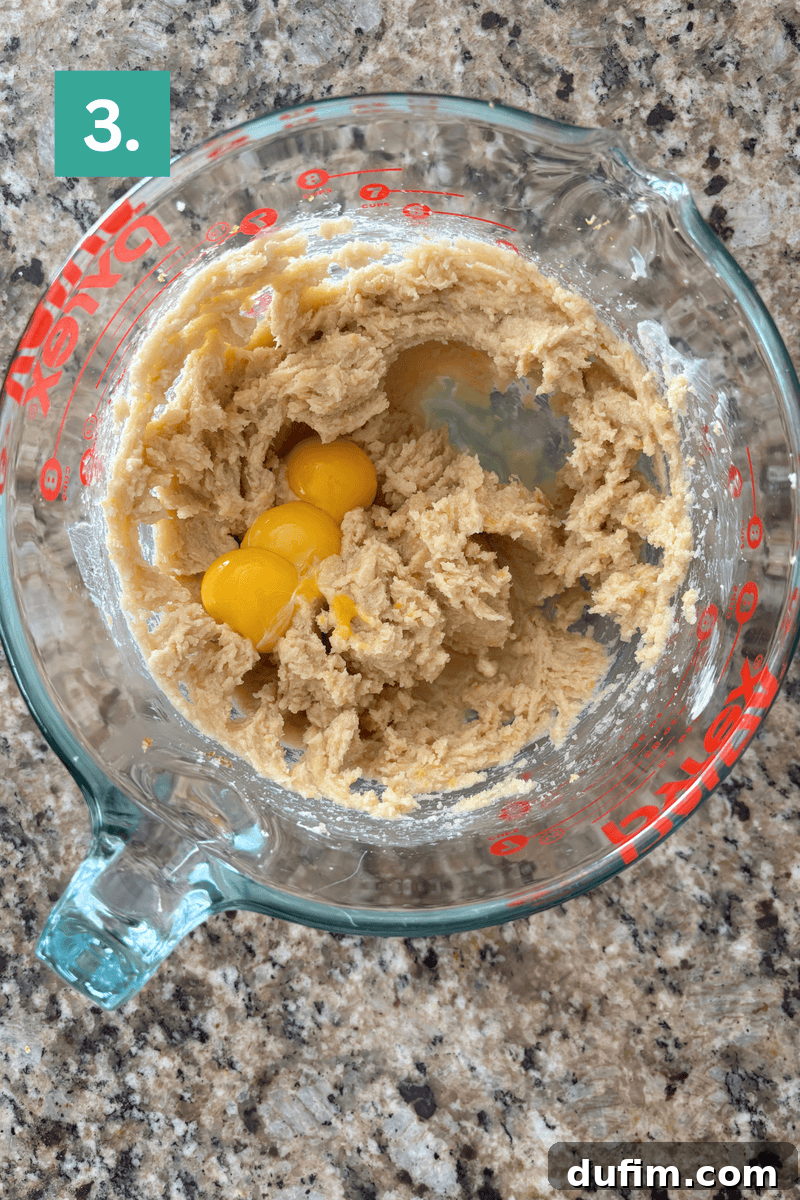
Add lemon and yolks: Mix in the lemon juice and the three egg yolks, then beat again until incorporated.
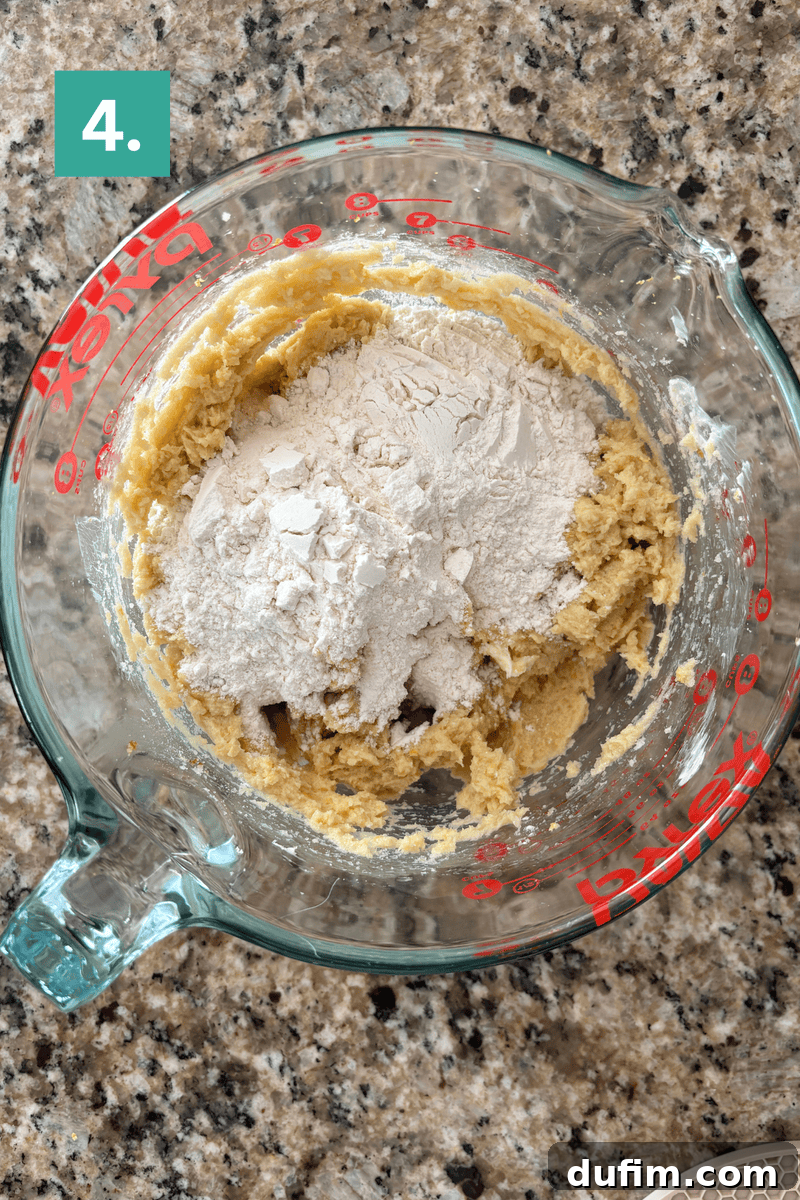
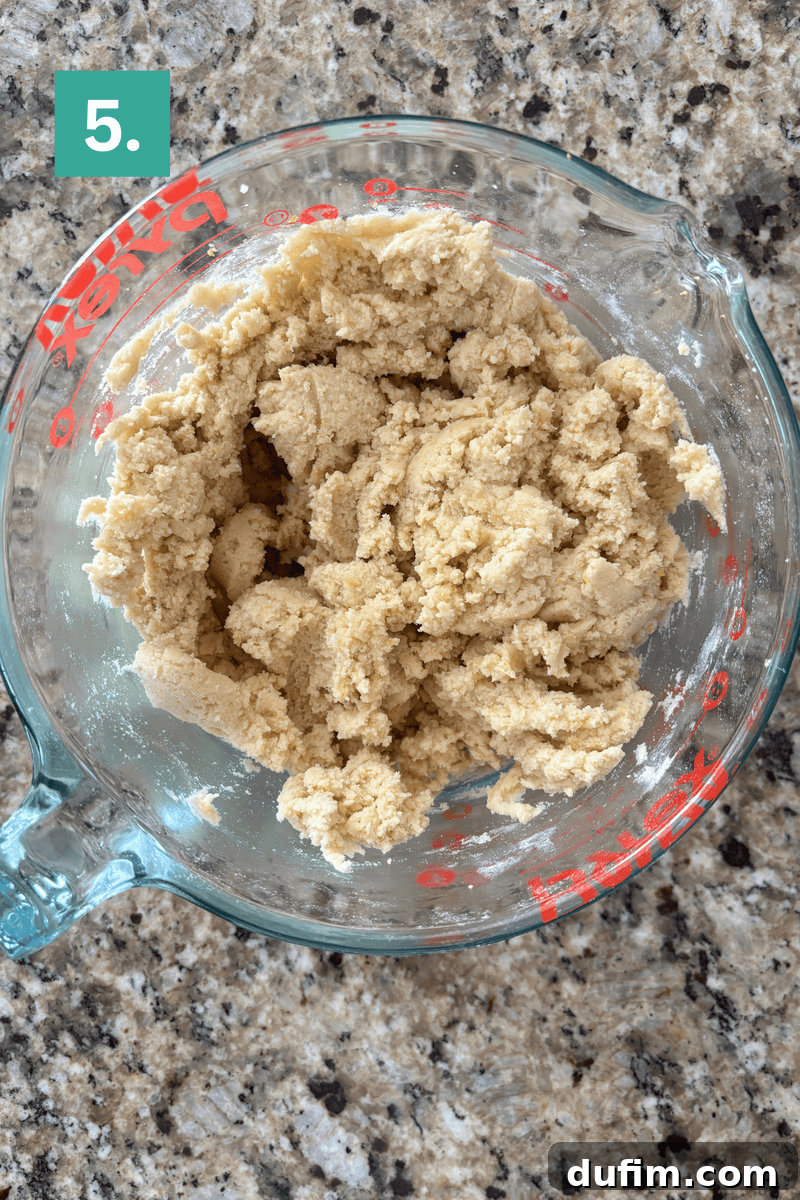
Combine: Gradually add the dry ingredients and mix on low until just combined. Do not overmix.
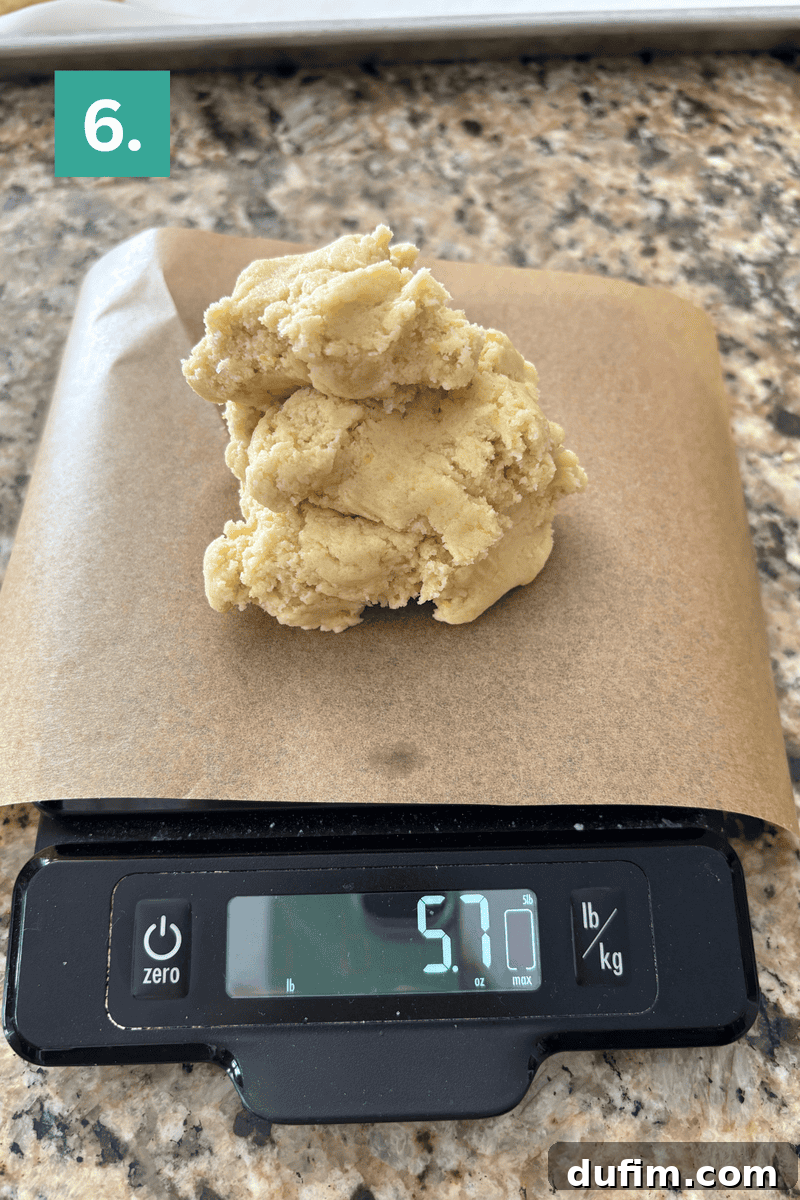
Portion and shape: Divide the dough into six equal balls (about 5.7 oz each). Roll each ball in the reserved granulated sugar to coat, then press into a 3-inch puck.
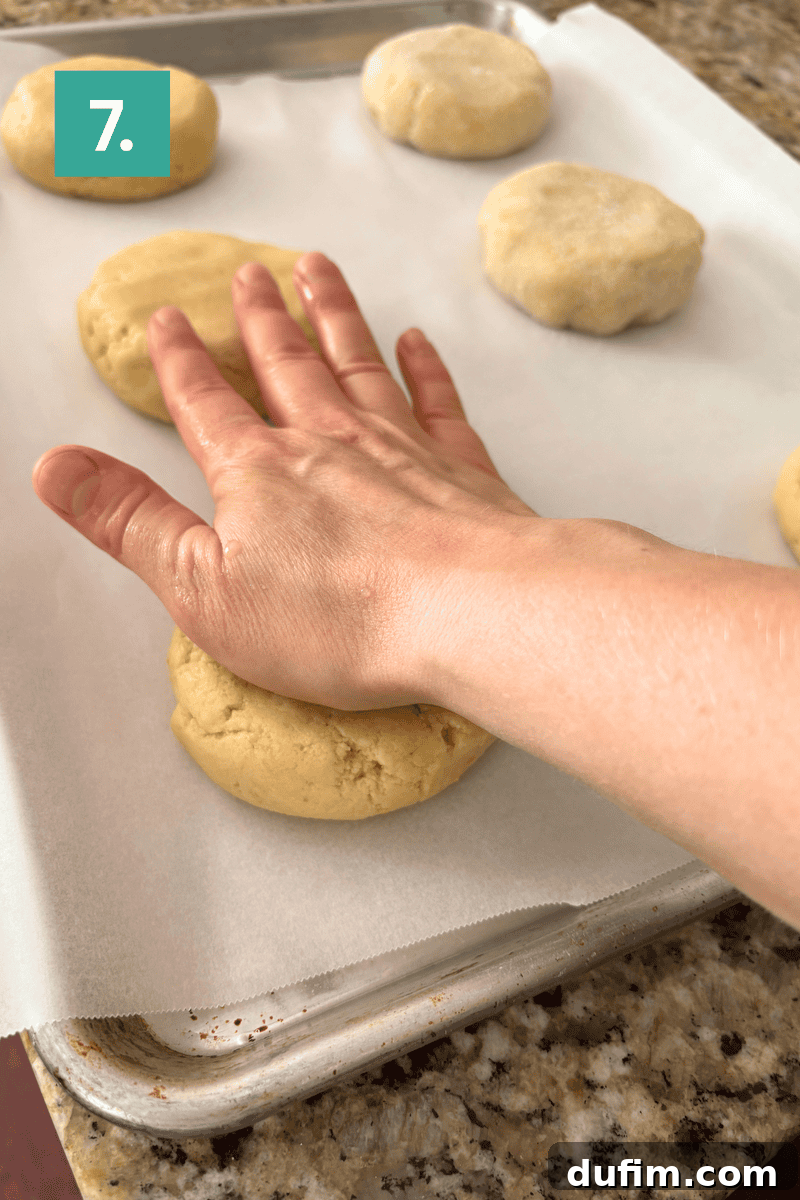
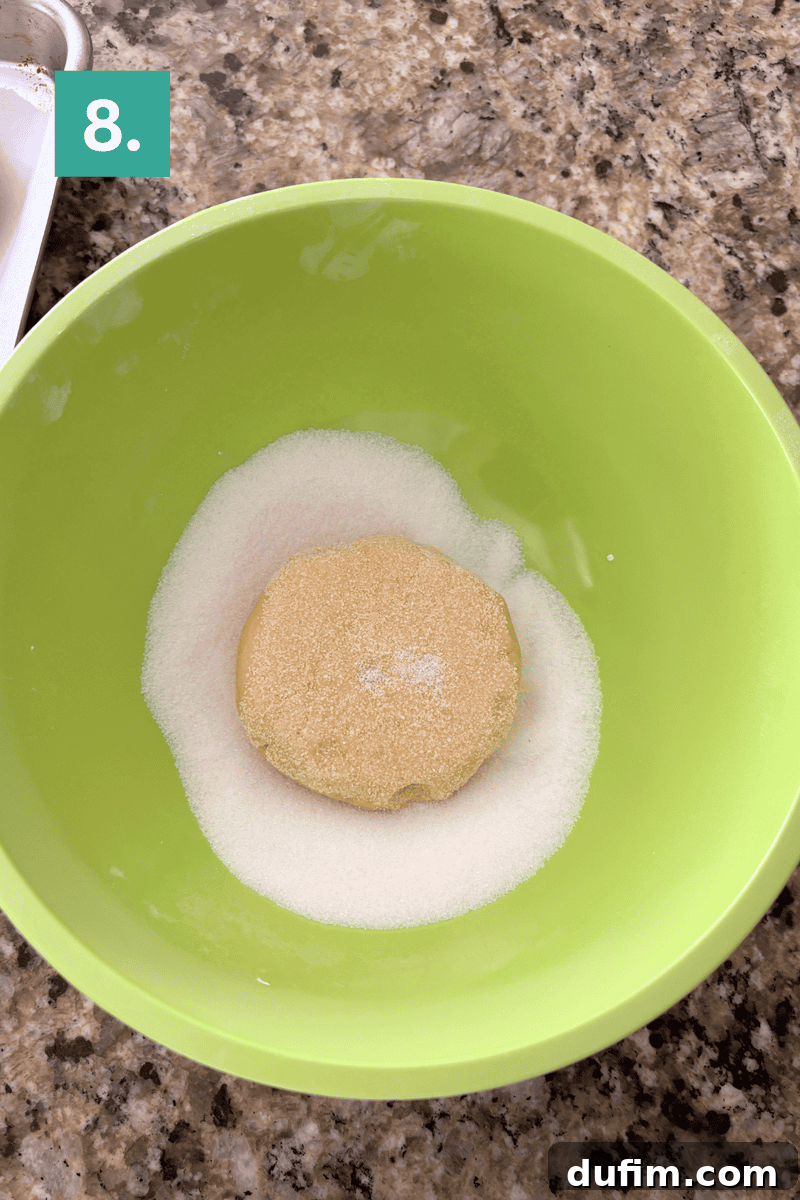
Freeze: Place the pucks on a parchment-lined sheet and freeze for 2 hours. Do not skip this — cold pucks bake up thicker. You can freeze longer (up to overnight); cover with plastic wrap if freezing beyond two hours.
Bake: Preheat the oven to 350°F and line a baking sheet with parchment. Place two frozen pucks on the sheet (leave plenty of room). Sprinkle extra granulated sugar on top if you like. Bake 20–24 minutes, until the edges are set and the centers look slightly underdone. Cool completely on the pan before transferring.
Tips for Best Results
- Use a kitchen scale: Weighing ensures consistent cookies that bake uniformly.
- Freeze, don’t just refrigerate: Freezing keeps the dough cold longer during baking and prevents excessive spread.
- Bake only two at a time: These cookies are large and need space for even heat circulation.
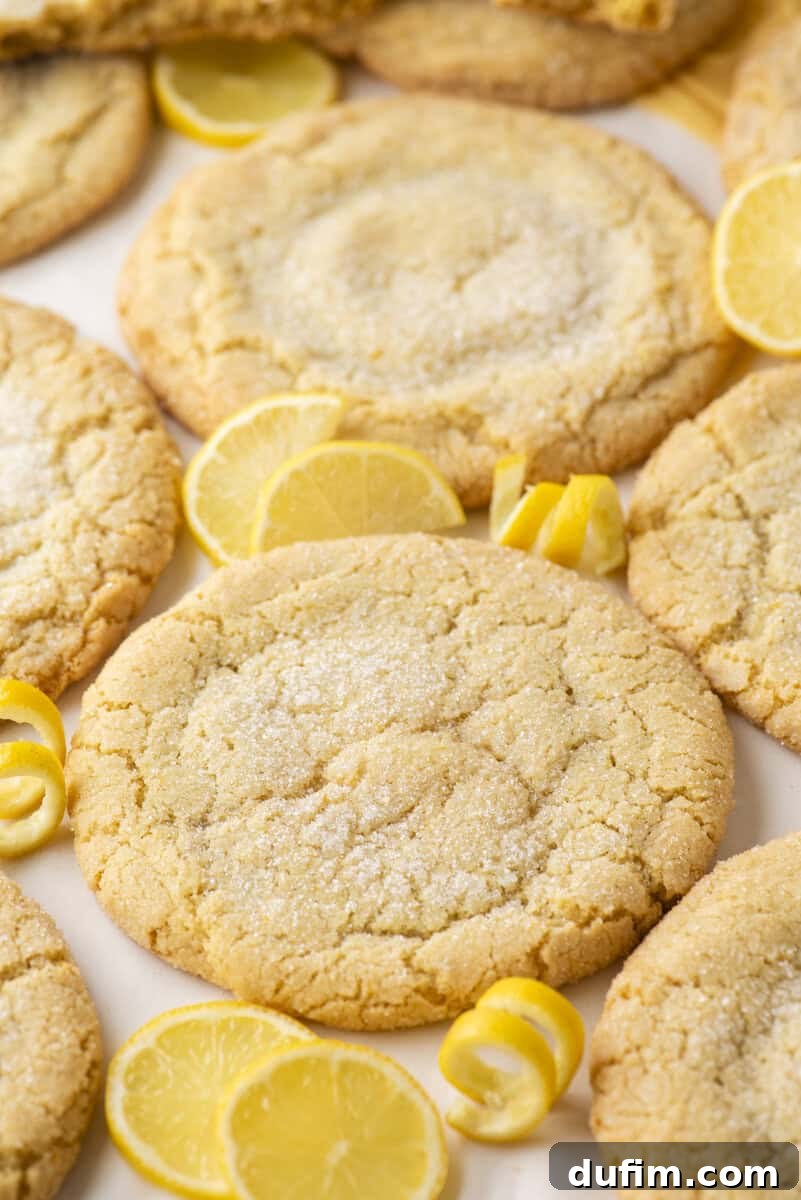
- Top with sugar: A light sprinkling of granulated sugar before baking adds a bakery-style sparkle and slight crunch.
- Pull when centers look underdone: The centers will continue to set as the cookies cool. If the center looks fully baked in the oven, the cookie may be overbaked once cool.

Make-Ahead and Storage
These cookies are perfect for make-ahead baking. After shaping and sugaring the pucks, freeze them for up to 3 months. After the initial two-hour freeze, transfer pucks to an airtight freezer bag or wrap the pan in plastic. Bake directly from frozen — add about 2 minutes to the bake time.
Baked cookies keep well at room temperature in an airtight container for up to four days and remain chewy. The lemon flavor often deepens and tastes even better on day two.
FAQ
Yes. Portion to about 2 ounces each and press into 2-inch pucks. Reduce freeze time to 1 hour and begin checking for doneness around 14–16 minutes. You can also follow the original lemon sugar cookie recipe for standard-size cookies.
Yes. Add up to 1/2 teaspoon of lemon extract with the lemon juice if your lemons are less fragrant. The recipe is already lemon-forward with the zest, but extract can give an extra boost if desired.
You can, but reduce added salt to a pinch. Salted butter varies by brand, so unsalted butter is recommended for the most consistent seasoning.
More Recipes with Lemon
- Lemon Cupcakes
- Cake Mix Lemon Cookies
- Lemon Scones
- Lemon Brownies

Ingredients
- 3 ¼ cups (390g) all-purpose flour
- 1 tsp baking soda
- ¼ tsp salt
- 1 Tbsp cornstarch
- 1 cup (198g) granulated sugar
- 4–5 Tbsp lemon zest (about 4–5 lemons)
- 1 cup (226g) unsalted butter, room temperature
- ½ cup (100g) light brown sugar
- 2 Tbsp fresh lemon juice
- 3 egg yolks
- ¼ cup granulated sugar for rolling
Instructions
- Whisk together the flour, baking soda, salt, and cornstarch in a bowl. Set aside.
- Make lemon sugar: combine granulated sugar and lemon zest in a large bowl. Rub the zest into the sugar until fragrant and evenly combined.
- Add the butter and brown sugar to the lemon sugar and beat on medium-high for 2–3 minutes until light and fluffy.
- Add the lemon juice and egg yolks and beat until incorporated.
- Gradually add the dry mixture and mix on low until just combined. Do not overmix.
- Divide the dough into 6 equal balls (about 5.7 oz each). Roll each ball in the ¼ cup granulated sugar, then press into a 3-inch puck.
- Freeze the pucks on a parchment-lined sheet for 2 hours (or up to overnight). If freezing longer than two hours, cover with plastic wrap.
- Preheat the oven to 350°F. Line a baking sheet with parchment paper.
- Bake two cookies at a time for 20–24 minutes, until edges are set and centers look slightly underdone. Cool completely on the pan before transferring.
Notes
Gluten-Free: Substitute a 1:1 gluten-free flour blend if needed. Results have been good with verified blends.
To Store: Keep baked cookies in an airtight container at room temperature up to 4 days. They remain chewy and often taste better on day two.
To Make Ahead: Shape and sugar the dough pucks, then freeze for up to 3 months. Bake from frozen, adding about 2 minutes to bake time.
To Freeze: Freeze shaped, unbaked pucks on a parchment-lined pan for 2 hours, then transfer to a zip-top bag. Baked cookies freeze well for up to 2 months; thaw at room temperature.