
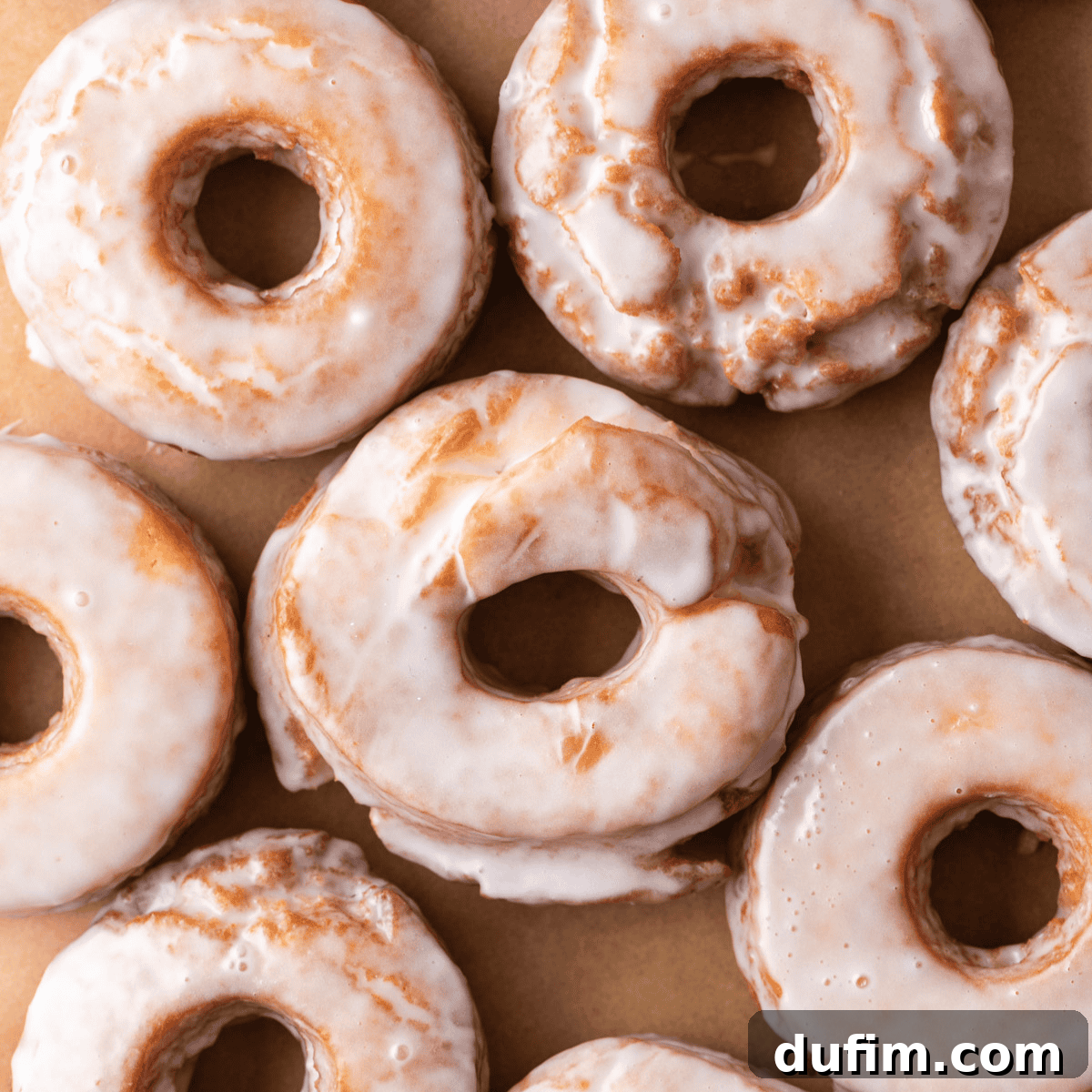
The Secret to Perfect Homemade Donut Glaze (Like Krispy Kreme!)
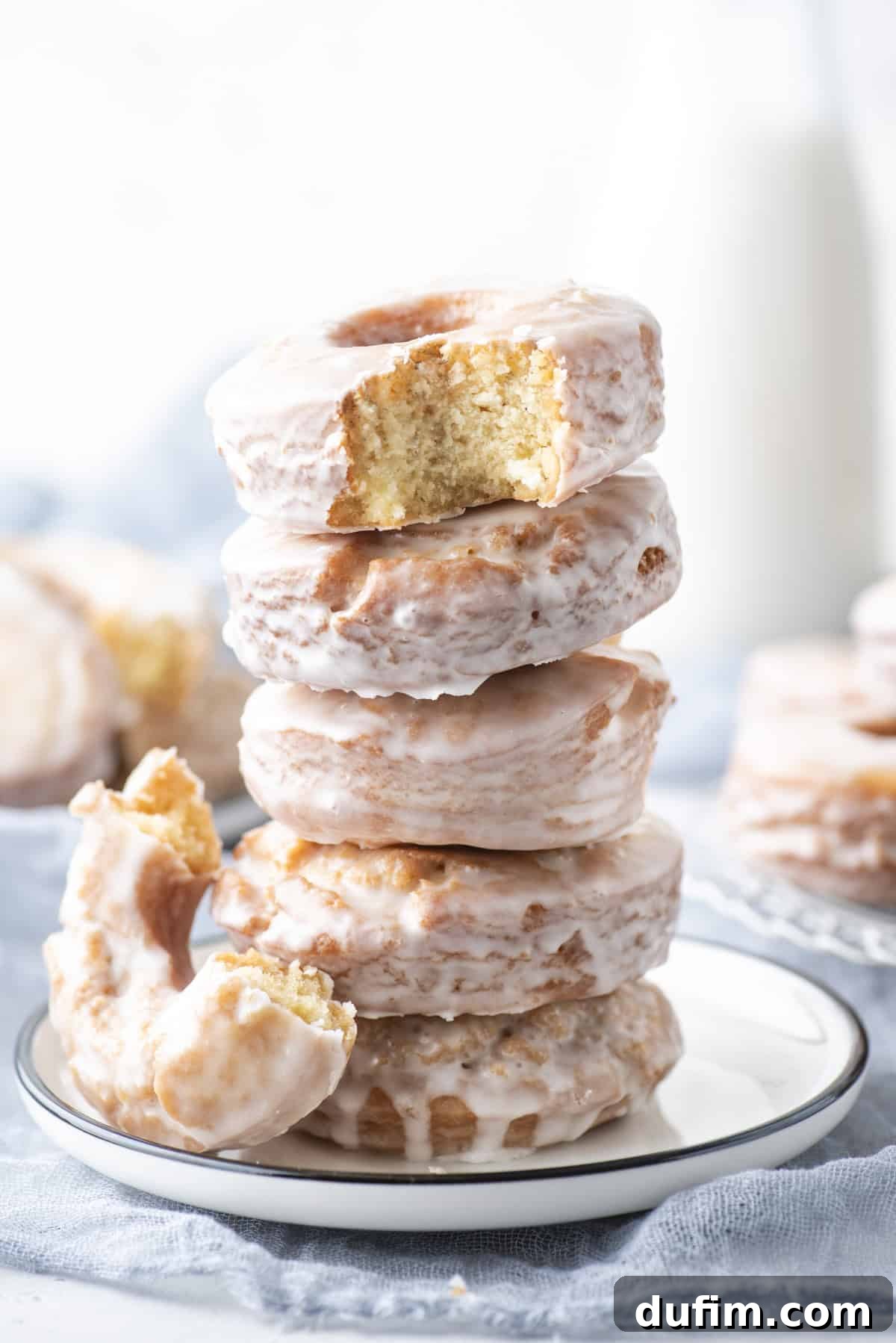
Have you ever dreamt of recreating that iconic, melt-in-your-mouth, perfectly sweet glaze you find on a fresh Krispy Kreme donut? That glossy finish that sets just right, never feeling sticky or tacky? After years of passionate recipe testing and countless batches of donuts, I’ve finally cracked the code, and I’m thrilled to share my secrets with you. This isn’t just another recipe; it’s a comprehensive guide to achieving a truly professional-quality, silky-smooth donut glaze at home.
Soooo yummy!! I had been looking for a perfect glaze and this is it!
-Katie
Mastering the Art of Homemade Donut Glaze
Creating a classic donut glaze might seem straightforward, involving just powdered sugar, milk, and a hint of vanilla. However, transforming these basic components into that irresistible, mirror-like coating requires more than just mixing. It demands attention to detail, a precise understanding of ratios, and a few expert techniques that I’ve refined over extensive culinary experimentation. Consider me your personal donut sensei; I’ve glazed enough donuts to know precisely what elevates a good glaze to a truly exceptional one.
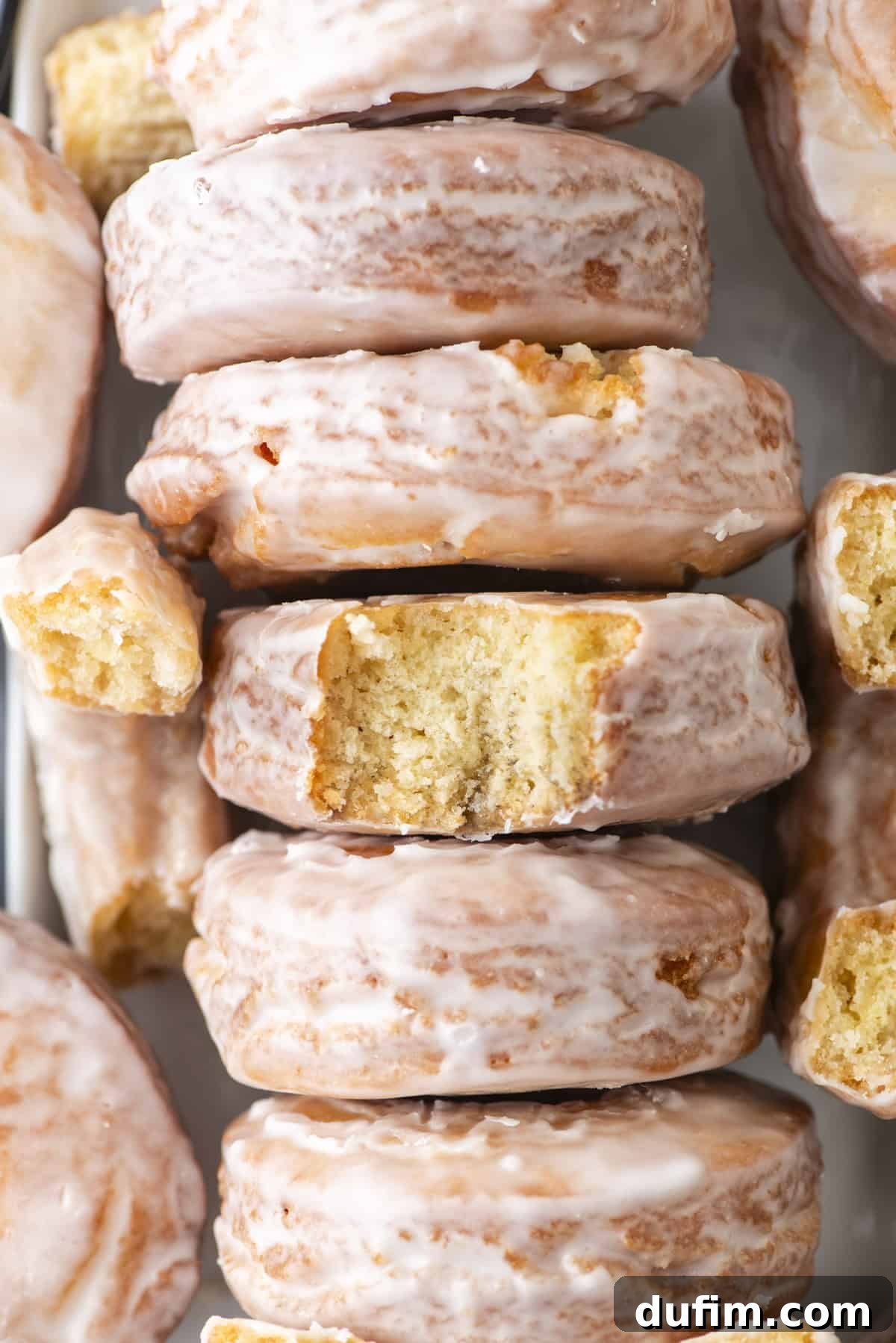
The cornerstone of a flawless, lump-free glaze begins with one crucial, often overlooked step: sifting your powdered sugar. Skipping this simple action is a common pitfall that leads to gritty, uneven results. Sifting ensures a fine, airy powder that dissolves effortlessly, contributing to that desirable smooth texture. Beyond this, mastering the delicate balance of the milk-to-sugar ratio is paramount. Too much liquid, and your glaze will be too thin, sliding off the donuts without adhering properly. Too little, and it will be too thick to coat them evenly, resulting in a clumpy finish. My perfected formula ensures the glaze sets beautifully at room temperature, guaranteeing a non-tacky finish that’s ideal whether you’re dipping piping hot, fresh-from-the-fryer creations or perfectly cooled, room-temperature treats.
After countless hours spent in the kitchen, experimenting with various ingredients and methods, I can confidently say that this recipe and its accompanying techniques consistently yield professional-grade results. My goal is to empower you to bypass the trial and error, heading straight to the satisfaction of producing the most delicious, beautifully glazed donuts you’ve ever made. Prepare to impress yourself and everyone lucky enough to taste your creations!
Essential Donut Glaze Ingredients
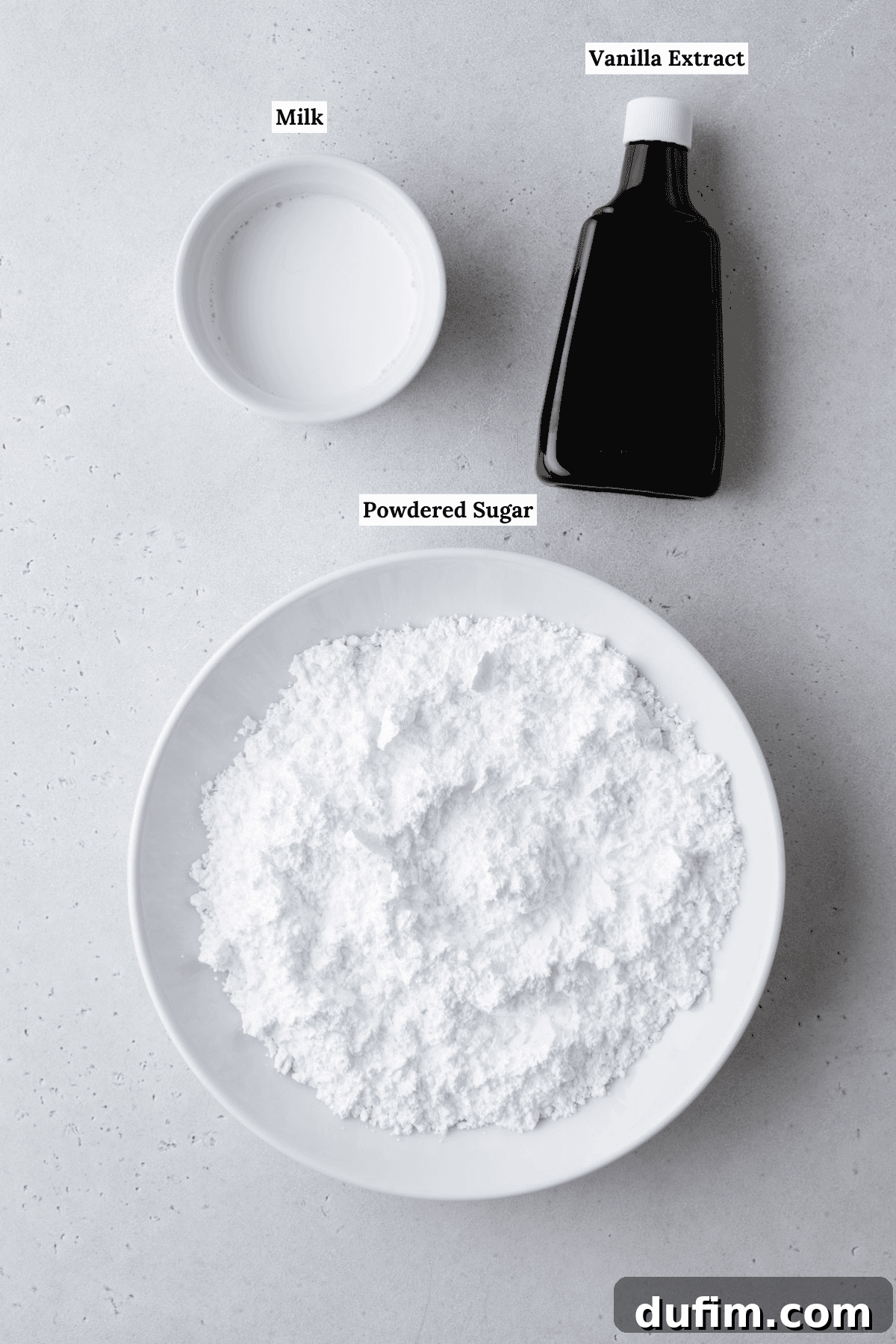
One of the best aspects of this incredible donut glaze recipe is its simplicity. You’ll only need three basic ingredients, which you likely already have readily available in your pantry or refrigerator. For exact measurements, refer to the recipe card below, but here’s a quick overview of what you’ll gather:
- Powdered Sugar (Confectioners’ Sugar): This is the foundation of our glaze, providing sweetness and body.
- Milk: The liquid component that brings the glaze to the perfect pourable consistency. Any type of milk (dairy or non-dairy) will work, but whole milk often provides a slightly richer texture.
- Vanilla Extract (Optional, but highly recommended): A touch of vanilla enhances the overall flavor, adding a warm, classic bakery note that truly elevates the glaze. Don’t skip it for that authentic taste!
These humble ingredients, when combined with the right technique, transform into a magical coating that will make your homemade donuts truly unforgettable.
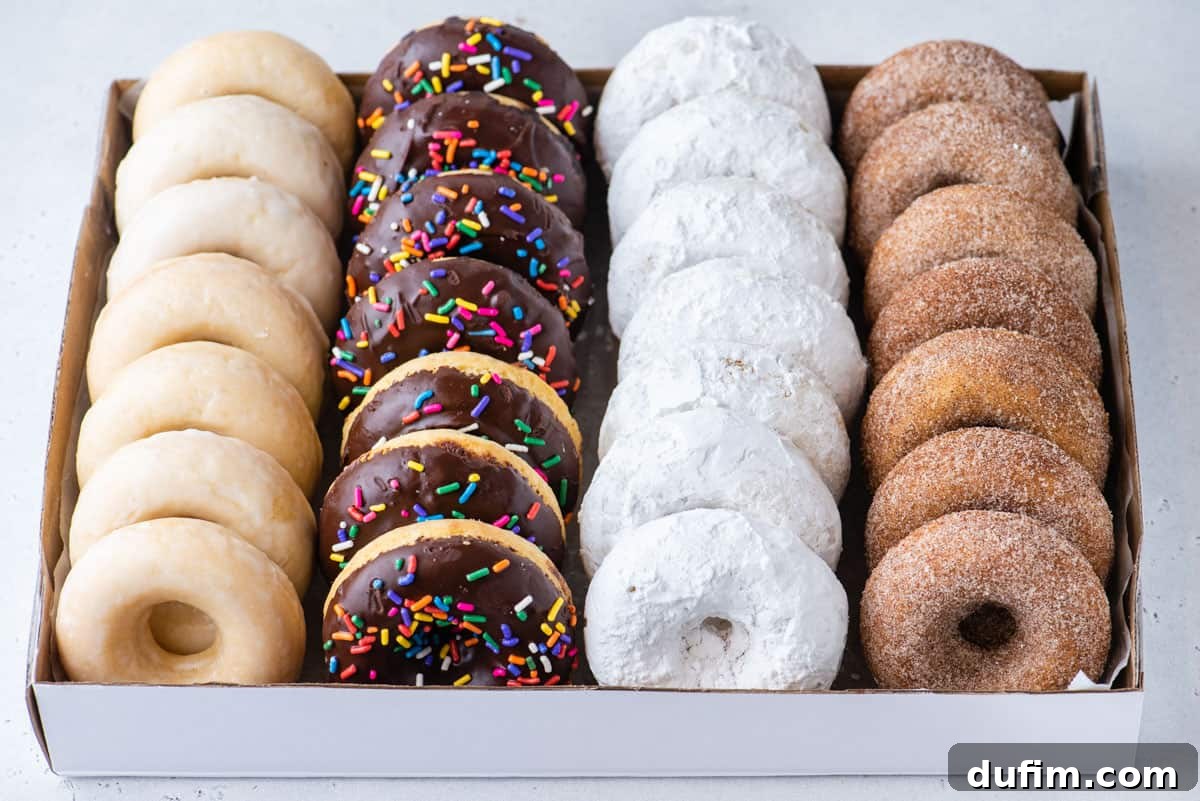
Step-by-Step: Crafting Your Perfect Donut Glaze
Making this incredible donut glaze is incredibly simple, provided you follow these straightforward steps and pay attention to the key details. You’ll be amazed at how quickly you can achieve bakery-quality results!
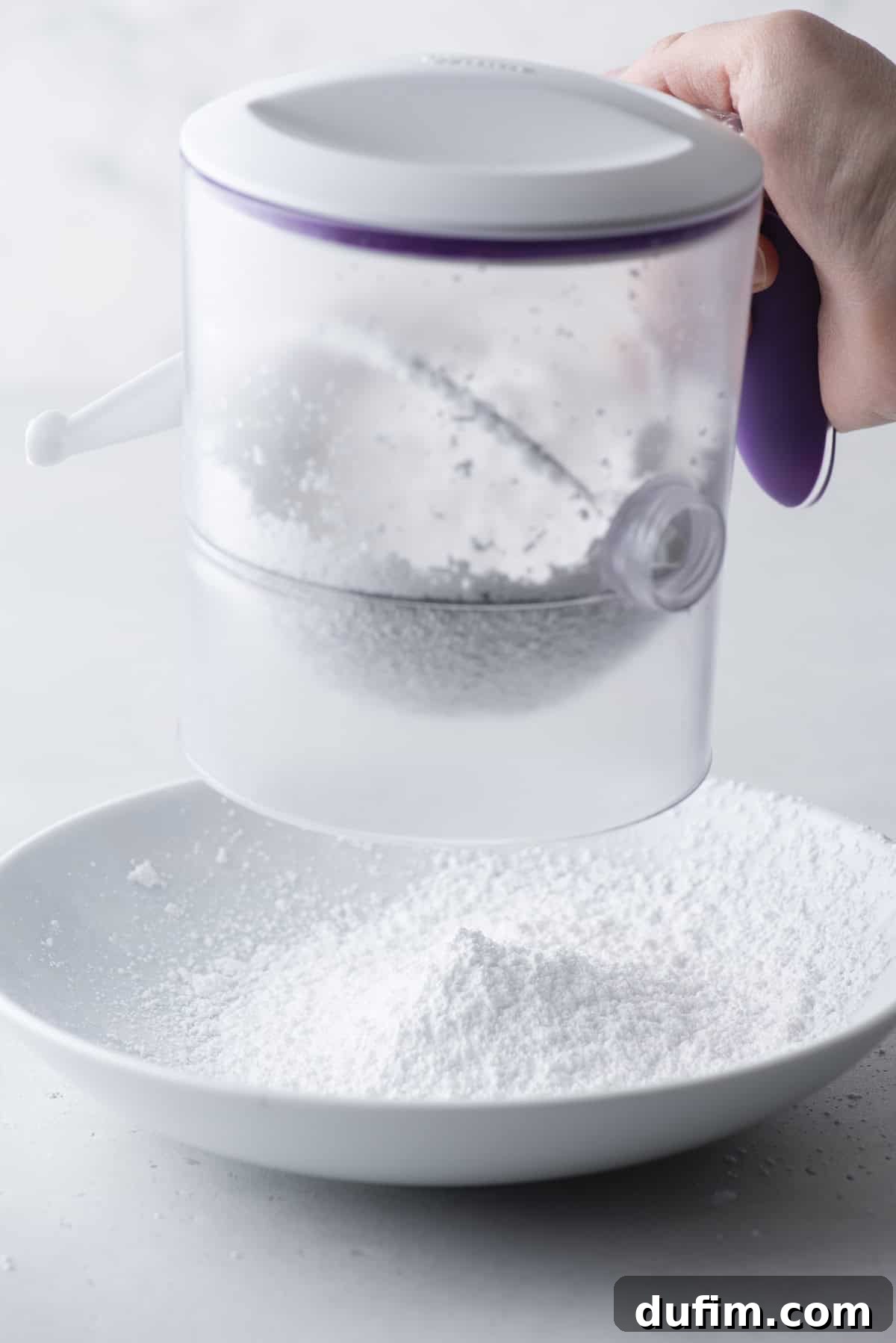
- Sift the Powdered Sugar: This is the most crucial first step for a truly silky-smooth glaze. Using a fine-mesh sieve, sift the powdered sugar into a medium-sized mixing bowl. This process removes any lumps and aerates the sugar, ensuring a consistently smooth texture when combined with the liquid ingredients. Don’t skip this; it’s the secret to that polished, professional look and feel.
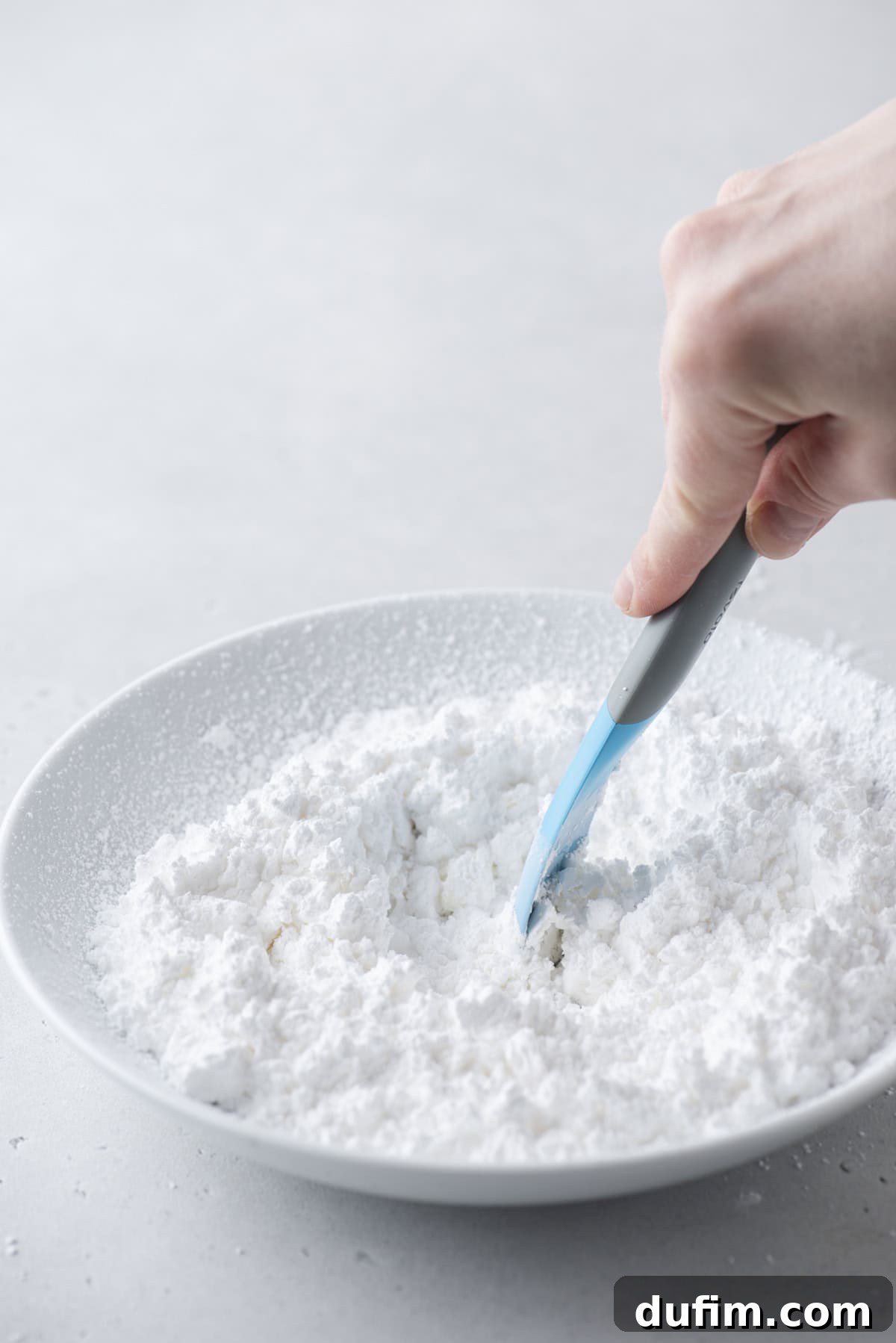
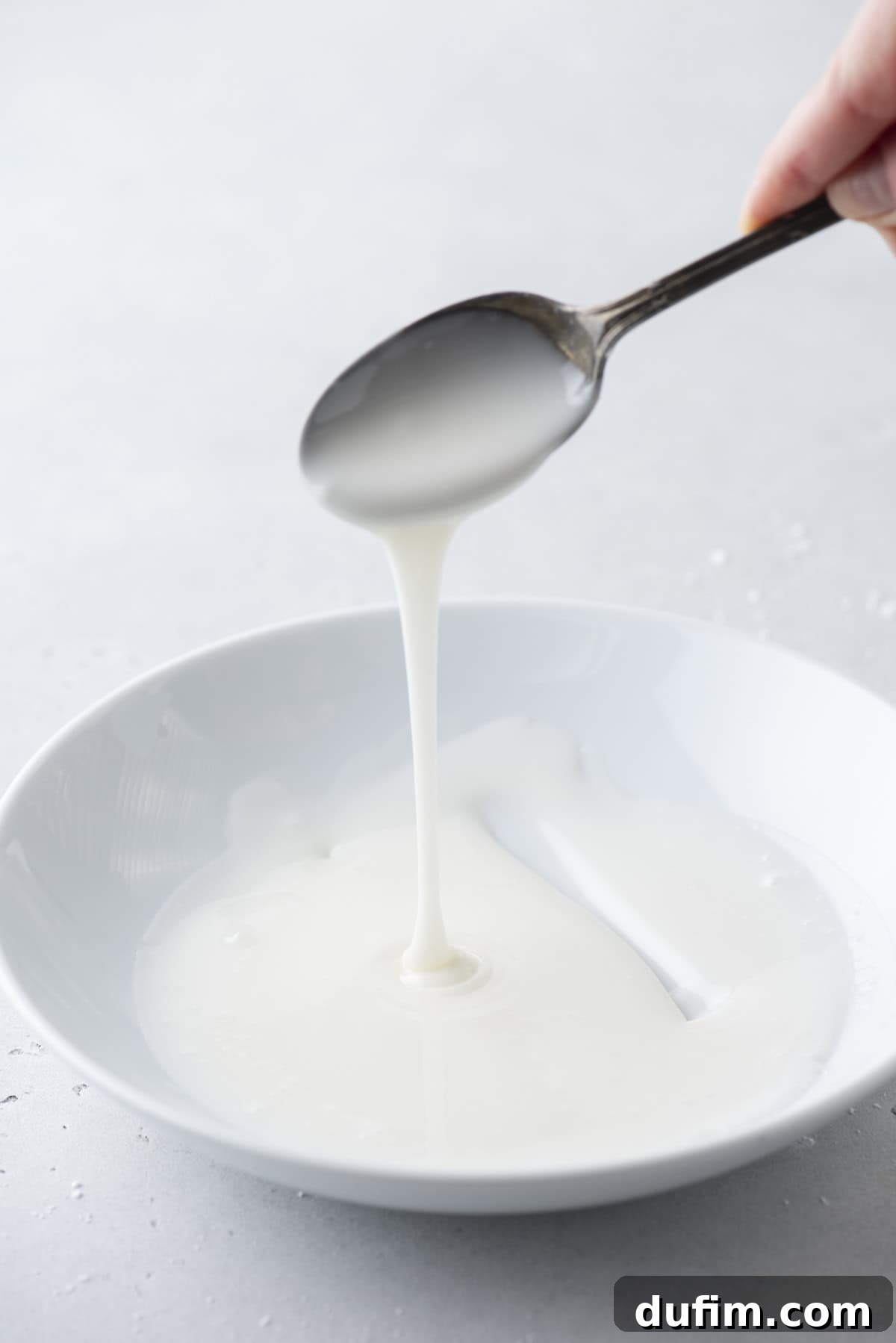
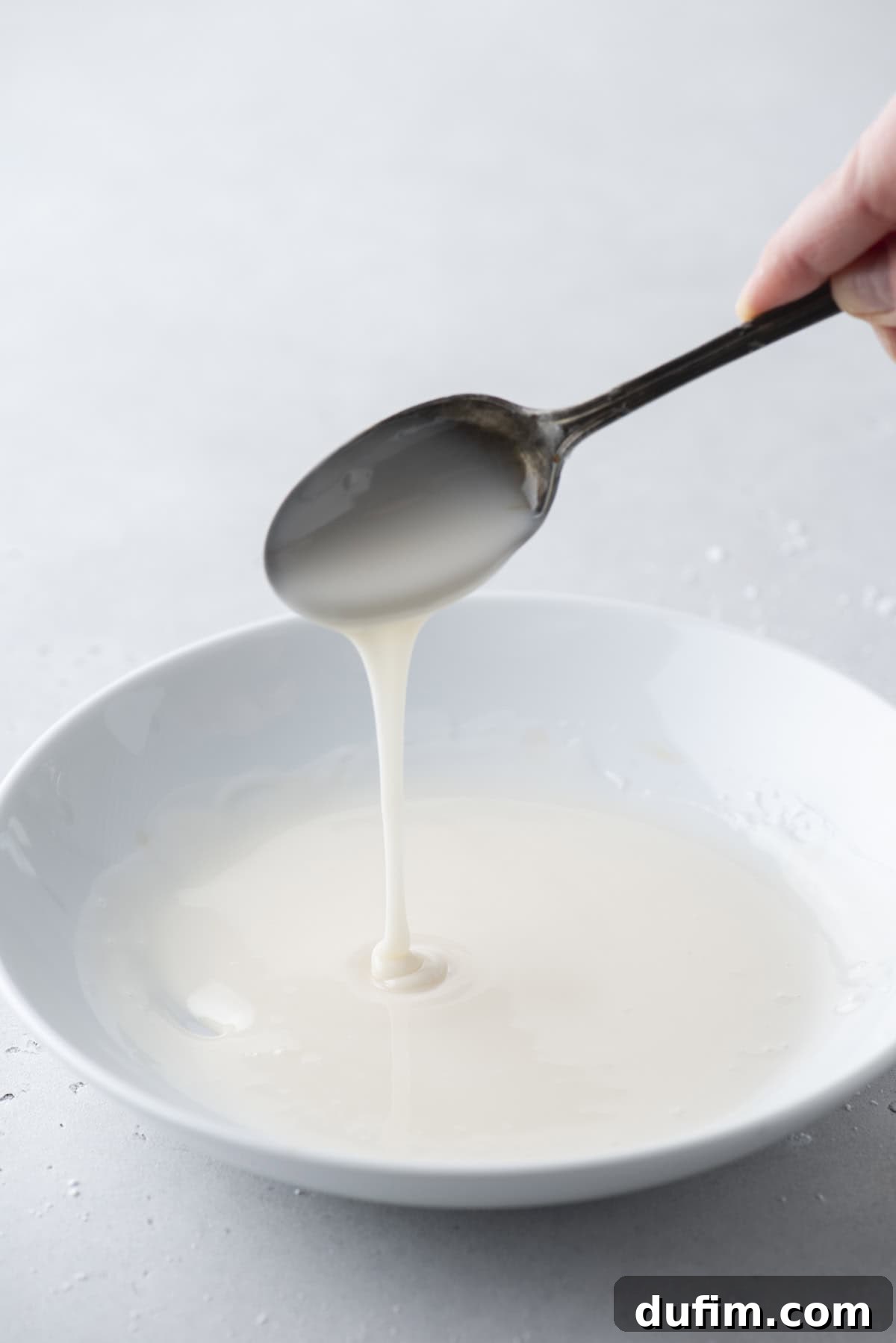
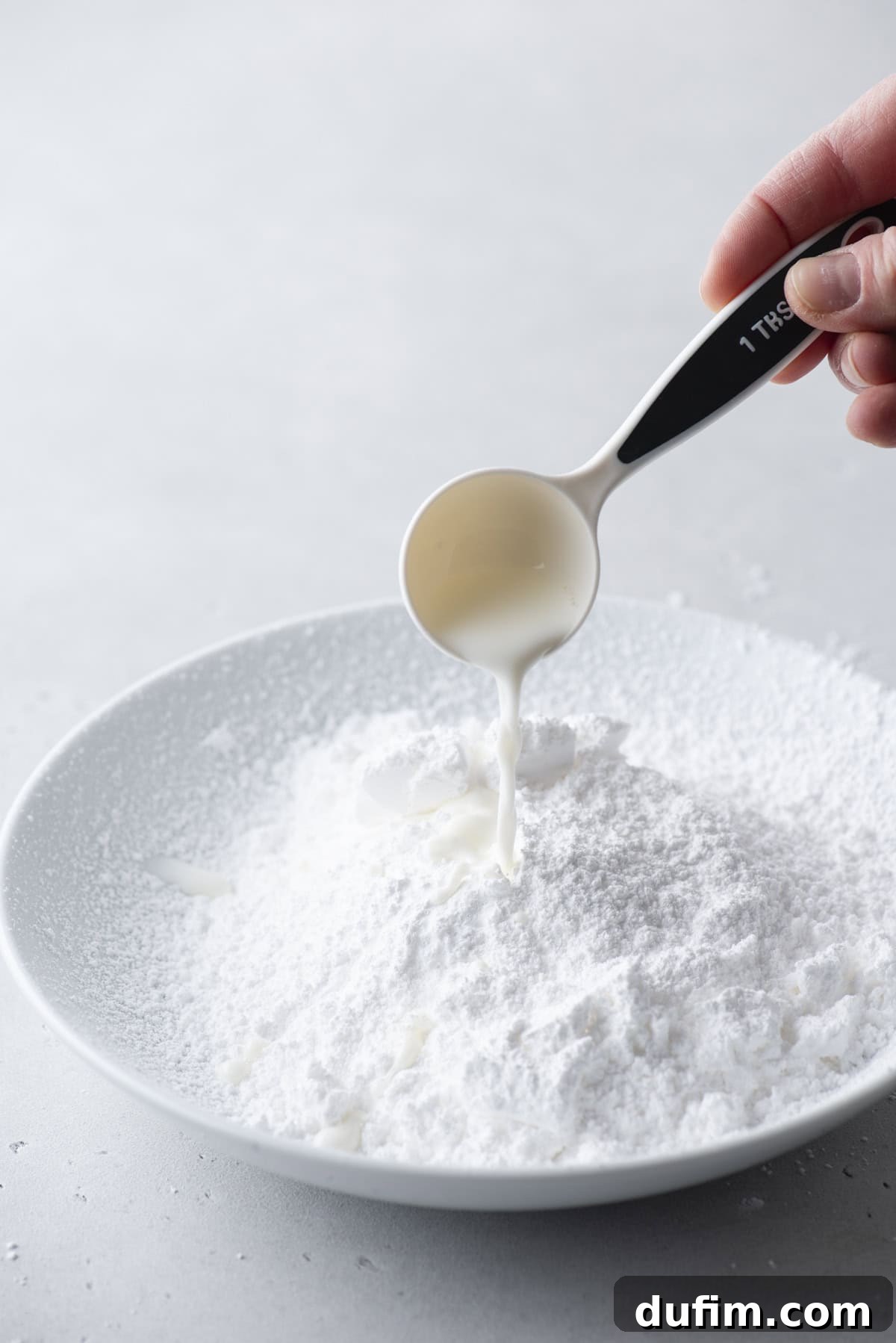
- Combine Ingredients: Once your sugar is perfectly sifted, add the milk and vanilla extract (if using) to the bowl. Start with the minimum amount of milk suggested in the recipe card. Using a whisk or a sturdy spatula, mix thoroughly until all ingredients are fully incorporated and the glaze is completely smooth and pourable. The ideal consistency should be thick enough to coat a spoon but still flow freely. If it’s too thick, add more milk, a tiny bit at a time (half a teaspoon is often enough!). If it’s too thin, gradually whisk in a little more sifted powdered sugar until you reach the desired consistency. Remember, a little goes a long way when adjusting.
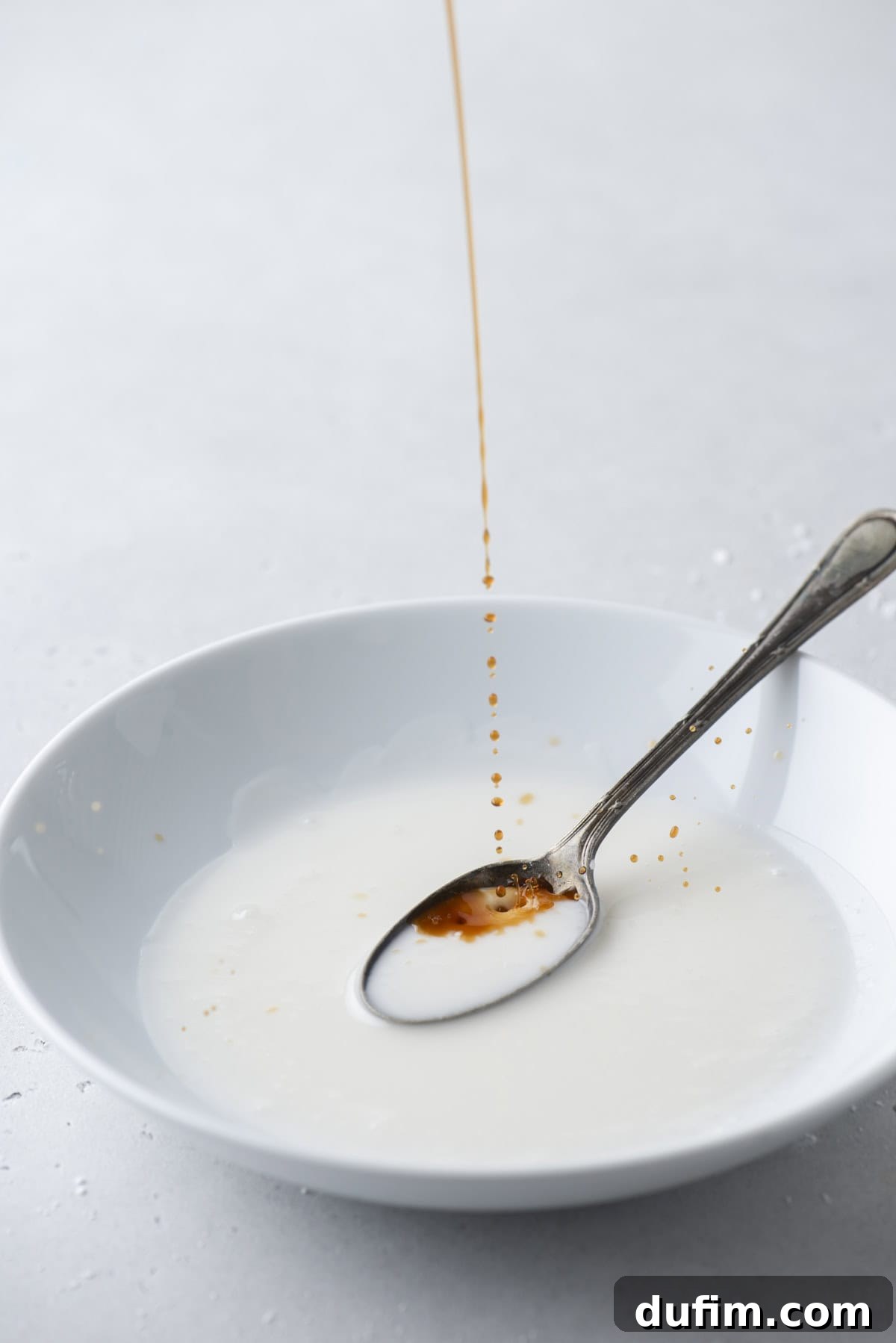
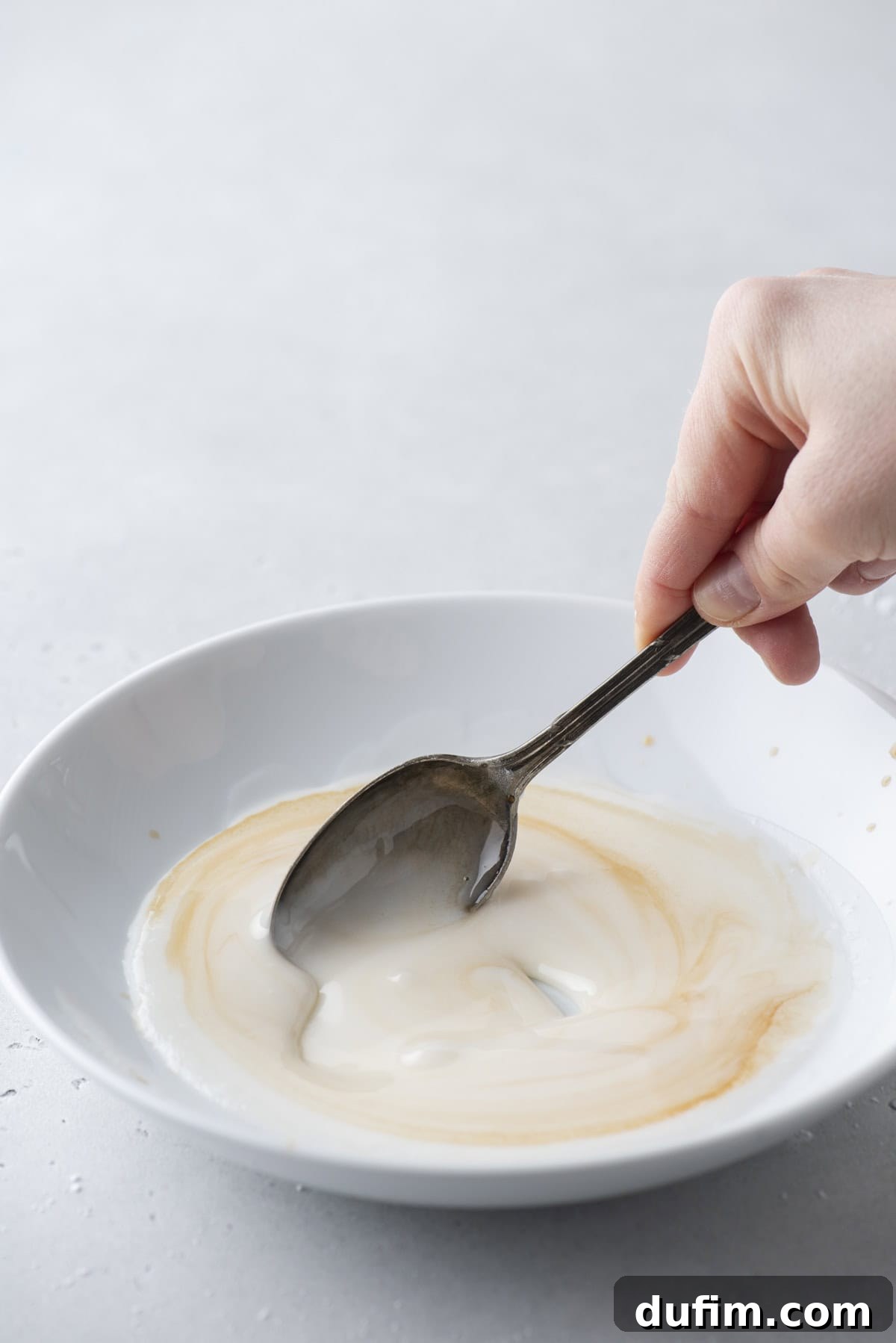
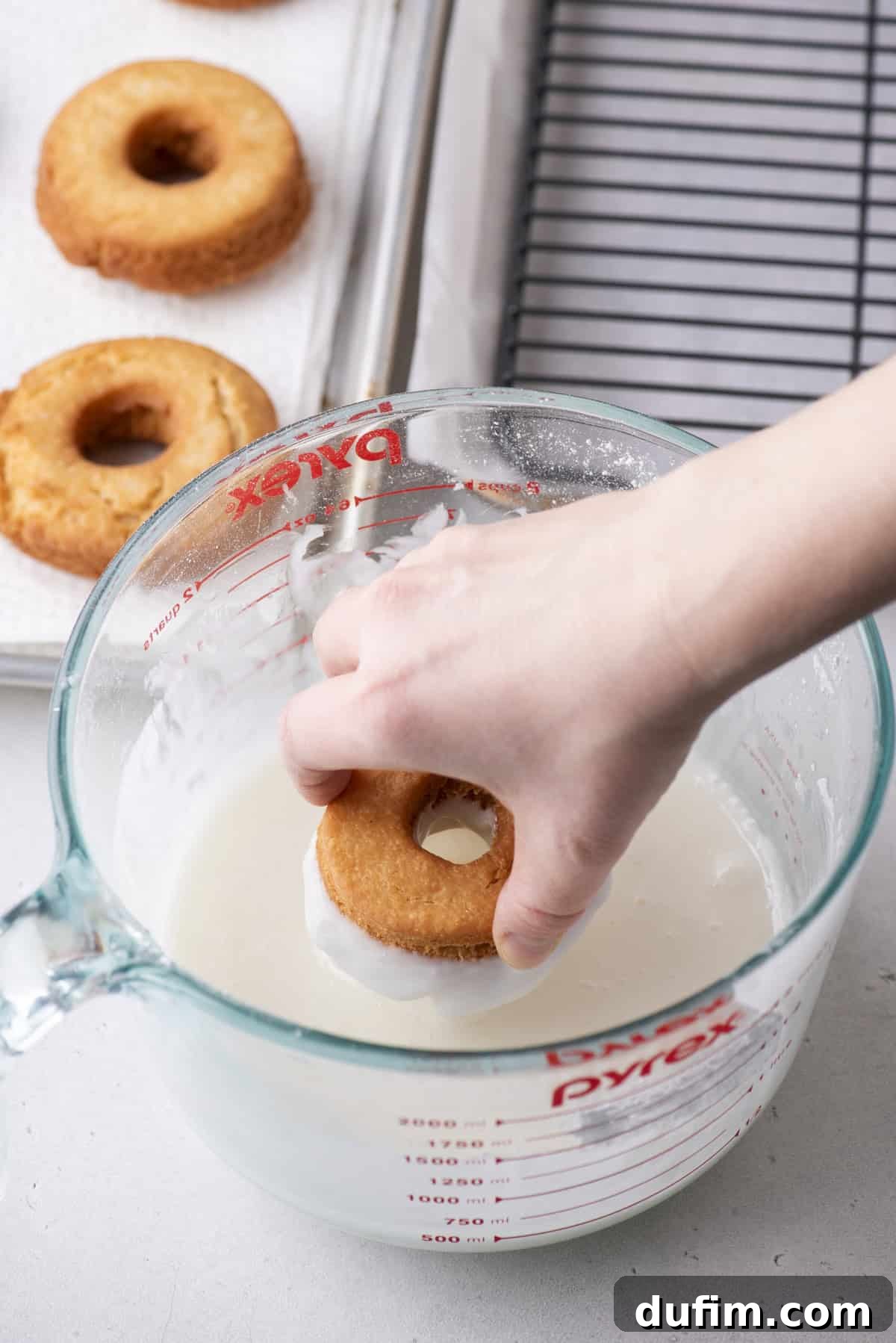
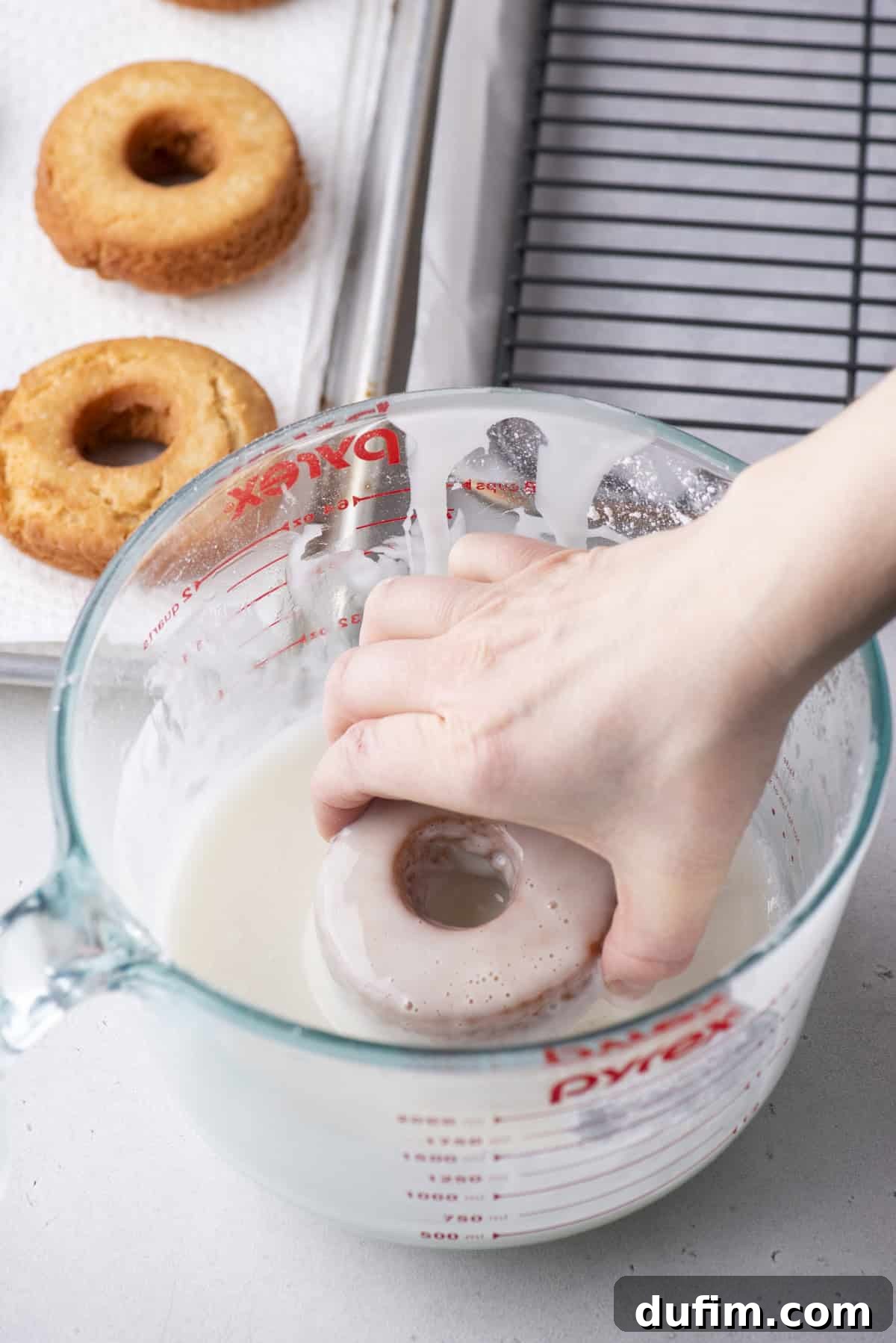
- Dip the Donuts: Transfer your freshly prepared glaze into a shallow, wide dish or bowl that’s large enough to comfortably dip a donut. Gently take one donut at a time and immerse the top side into the glaze. Lift the donut, allowing any excess glaze to drip back into the bowl for a few seconds. This helps create an even, thin coating. Immediately place the glazed donut onto a wire rack set over a baking sheet or parchment paper. This allows any final drips to fall away and the glaze to set properly, ensuring a non-tacky finish. Repeat with remaining donuts, stirring the glaze occasionally if it starts to thicken.
Exciting Donut Glaze Variations
While the classic vanilla glaze is undeniably perfect, this versatile recipe serves as an excellent base for a myriad of flavor variations. Customizing your donut glaze is incredibly easy and opens up a world of delicious possibilities. Here are some fantastic ideas to spark your creativity:
- Maple Glaze: For a comforting autumnal treat, add 4 teaspoons of pure maple syrup to the base recipe. For an even more intense maple flavor, incorporate ½ teaspoon of maple extract. This pairs wonderfully with apple cider donuts or a simple plain cake donut.
- Rich Chocolate Glaze: Elevate your chocolate donut game! While you can simply add cocoa powder, for a truly decadent experience, I highly recommend following my dedicated chocolate glaze for donuts recipe, which features real chocolate chips for an unparalleled depth of flavor.
- Warm Cinnamon Glaze: Stir in ½ teaspoon of ground cinnamon into the glaze mixture. This creates a beautifully aromatic and spiced glaze that’s perfect for a cozy morning treat, especially on plain or pumpkin spice donuts.
- Bright Lemon Glaze: Replace the milk entirely with freshly squeezed lemon juice and stir in 1 teaspoon of finely grated lemon zest. The result is a vibrant, tangy, and refreshing glaze that cuts through the sweetness of the donut beautifully.
- Zesty Orange Glaze: Similar to the lemon variation, swap the milk for fresh orange juice and add 1 teaspoon of orange zest. This offers a sweeter, sunnier citrus note that’s delightful.
- Nutty Almond Glaze: For a sophisticated twist, substitute the vanilla extract with an equal amount of almond extract. This imparts a lovely, delicate nutty flavor that complements many donut bases.
- Fruity Strawberry Glaze: Mix in 2-3 tablespoons of smooth strawberry jelly or a vibrant strawberry puree (made from fresh or frozen strawberries) for a naturally fruity and colorful glaze. Adjust the consistency with a little extra powdered sugar if needed.
- Bold Coffee Glaze: Replace the milk with an equal amount of strong brewed coffee or espresso. This creates a rich, mocha-like glaze that coffee lovers will adore, especially on chocolate or vanilla donuts.
- Refreshing Peppermint Glaze: Perfect for the holidays, replace the vanilla extract with ½ teaspoon of peppermint extract. A festive and invigorating glaze that pairs well with chocolate donuts or a dusting of crushed candy canes.
Don’t hesitate to experiment with these variations or create your own! The possibilities are endless when you have such a versatile base recipe.
Expert Tips for the Perfect Donut Glaze
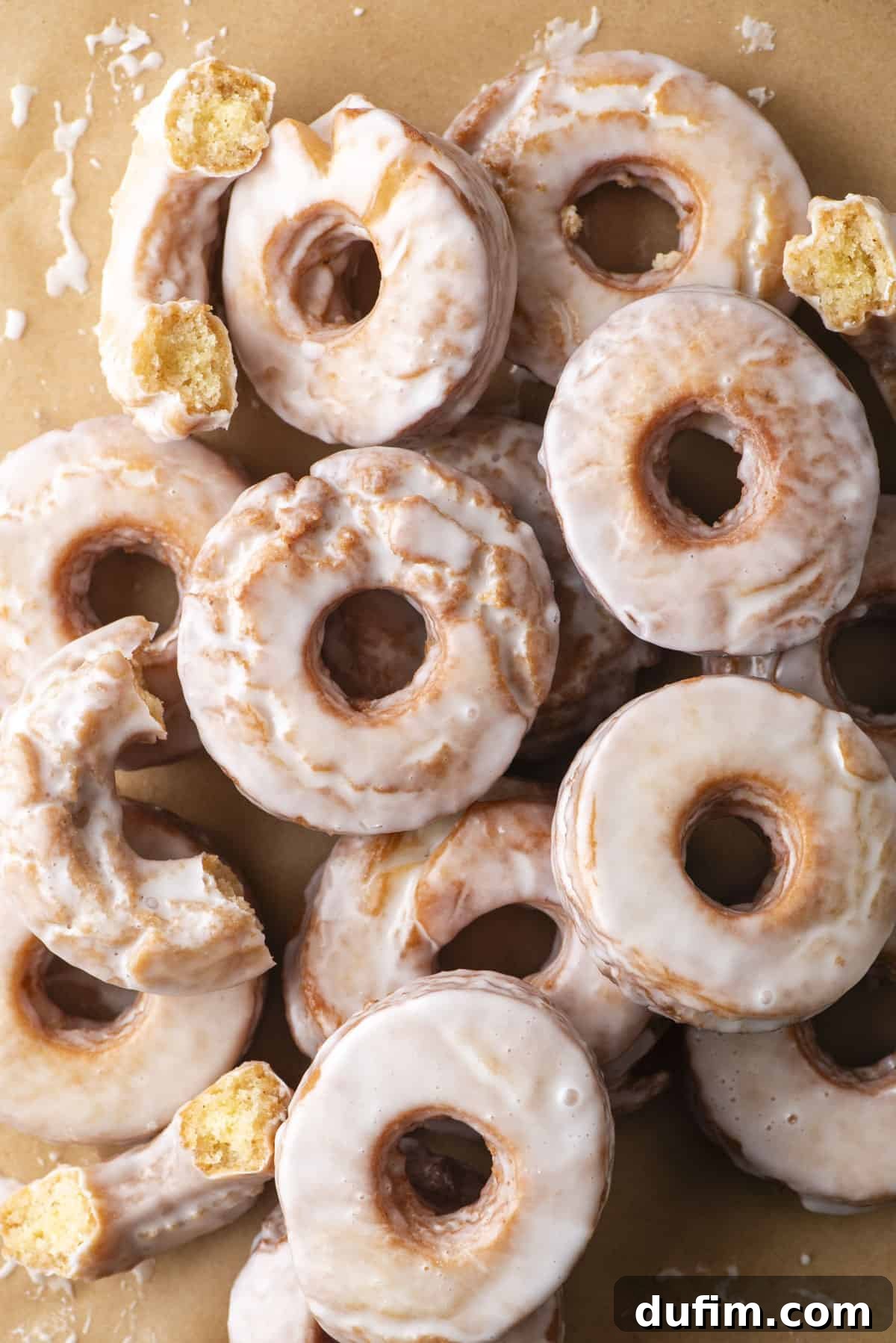
Achieving that coveted, glossy Krispy Kreme-style donut glaze consistently involves a few key techniques and considerations. These tips, honed over years of practice, will guide you to success every single time, ensuring your homemade donuts are nothing short of spectacular:
- Always Sift Your Powdered Sugar: This cannot be stressed enough! Powdered sugar tends to clump easily. Sifting it through a fine-mesh sieve before mixing is paramount for a perfectly smooth, lump-free glaze. It also aerates the sugar, helping it dissolve more readily and contribute to a more uniform texture.
- Master the Consistency: The perfect glaze consistency is crucial. Begin with the minimum amount of milk called for in the recipe and add more gradually, a teaspoon at a time, until the glaze reaches a pourable yet thick consistency. It should slowly drip off a spoon, not run like water. A thinner glaze provides a lighter, translucent coat, while a slightly thicker one offers a more opaque, pronounced finish. This is where patience and observation pay off!
- Don’t Skip the Vanilla (or other extracts): While technically optional, vanilla extract is a game-changer. It rounds out the sweetness, adding depth and that familiar, comforting bakery flavor. For variations, the right extract can dramatically transform the glaze’s profile.
- Optimal Donut Temperature: For the most beautiful and professional-looking results, dip your donuts while they are still warm (but not hot enough to melt the glaze completely). The residual heat helps the glaze set quickly and creates that signature glossy, slightly crackled finish. However, rest assured, this glaze also performs wonderfully on room-temperature donuts, though the finish might be slightly less reflective.
- Dip, Don’t Drizzle: To achieve an even, full coating, immerse the top of the donut completely into the glaze. Resist the urge to simply drizzle it over. After dipping, lift the donut and allow any excess glaze to drip back into the bowl for a few seconds before transferring it to the drying rack. This prevents thick puddles and ensures a smooth, uniform layer.
- Allow Ample Setting Time: Once glazed, immediately place the donuts on a wire rack. This allows air circulation on all sides and ensures that any remaining excess glaze drips off, preventing a sticky bottom and allowing the glaze to set completely. Patience here leads to a perfectly non-tacky finish.
- Work Efficiently: Donut glaze, especially one made with powdered sugar, can begin to harden as it sits. Prepare your glaze just before you are ready to dip your donuts. If you’re glazing a large batch, you might need to give the glaze a quick stir occasionally to maintain its smooth, pourable consistency.
Beyond Donuts: Creative Uses for This Glaze
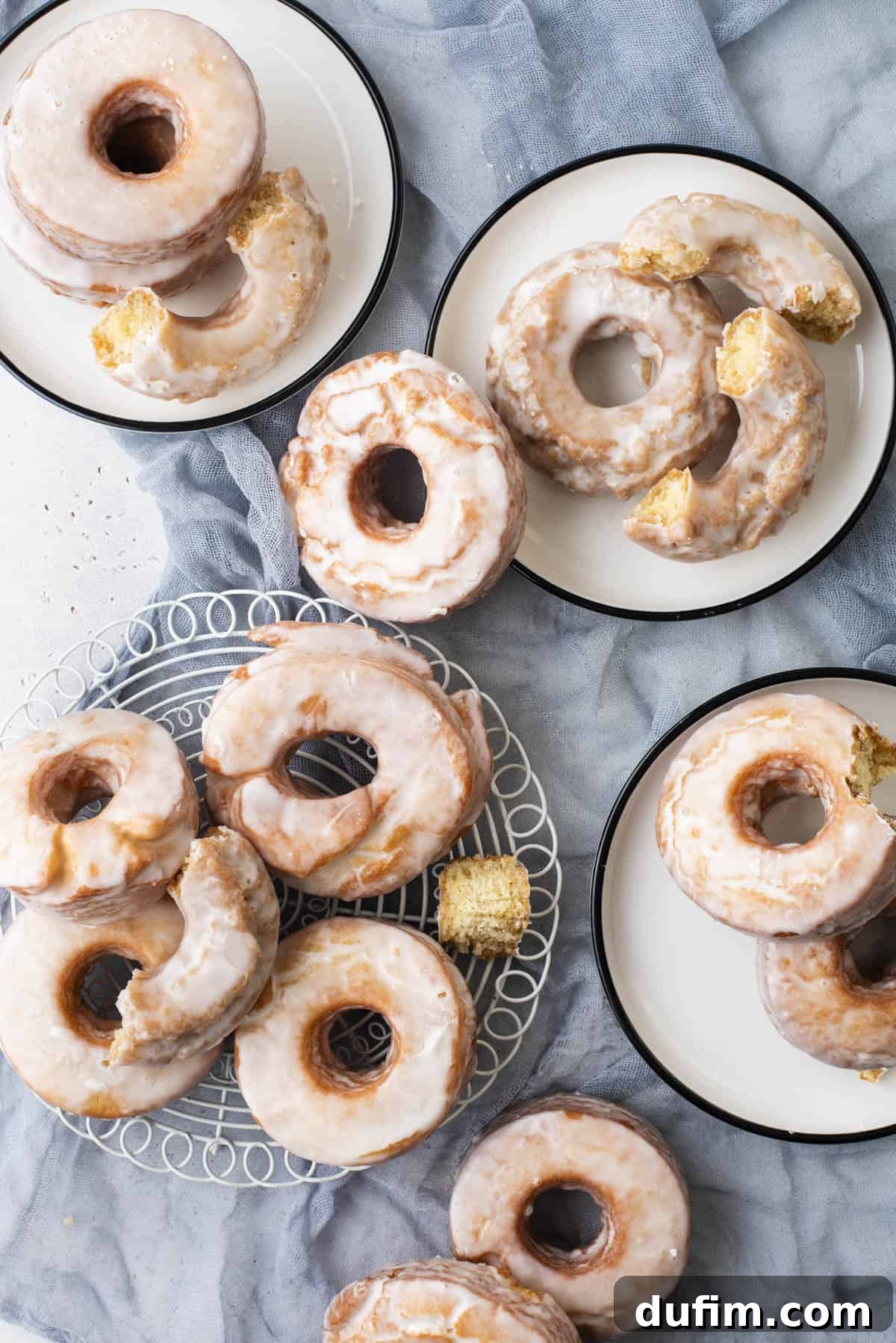
While this classic glaze is my absolute favorite for all my homemade donut recipes, its versatility extends far beyond just donuts. Don’t limit yourself! Here are some creative and delicious ways to utilize this easy, sweet glaze:
- For Your Favorite Homemade Donuts: This is the perfect companion for a variety of homemade donut styles, including:
- Moist Cake Donuts that aren’t dry or greasy
- Old-Fashioned Donuts made without cake flour
- Baked Gluten-Free Donuts that taste like regular donuts
- Easy homemade baked donut recipe
- Drizzle on Cakes & Cupcakes: A simple, elegant drizzle of this glaze can add extra moisture and sweetness to plain cakes, loaf cakes, or cupcakes, transforming them into something special.
- Cinnamon Rolls: Take your cinnamon rolls to the next level! Instead of (or in addition to) traditional cream cheese icing, drizzle this glossy glaze over warm cinnamon roll casserole made in the oven for an extra layer of sweetness and shine.
- Muffin Top Glaze: A light coating on your freshly baked muffins adds a lovely touch of sweetness and helps keep them moist. Lemon poppy seed or blueberry muffins are particularly delightful with this glaze.
- Brownie or Blondie Drizzle: A delicate swirl over cooled brownies or blondies enhances their flavor and adds an attractive finish.
- French Toast Topping: Move over, maple syrup! This glaze makes a wonderful, decadent topping for French toast or French toast casseroles.
- Pancake or Waffle Drizzle: For a sweeter, more dessert-like breakfast, use this glaze as a drizzle over your morning pancakes or waffles.
- Dipping Sauce for Fruit: Serve it alongside a platter of fresh berries, apple slices, or melon for a simple yet elegant dessert or snack.
- Ice Cream Drizzle: Warm the glaze slightly and drizzle it over vanilla or chocolate ice cream for an instant upgrade.
- Glazed Popcorn: For a unique sweet and salty treat, lightly drizzle the glaze over freshly popped popcorn and let it set for a crunchy, addictive snack.
Storing Your Donut Glaze
If you have leftover glaze or prefer to prepare it in advance, it stores remarkably well. Simply transfer the remaining glaze into an airtight container and refrigerate for up to 3 days. When you’re ready to use it again, allow it to come to room temperature on your counter. Give it a good stir or whisk to bring it back to its ideal smooth, pourable consistency before glazing your donuts. I do not recommend freezing donut glaze, as the texture can become grainy and separate upon thawing.
Explore More Delicious Donut Recipes
Once you’ve mastered this perfect donut glaze, you’ll want to try it on every donut imaginable! Here are some of my other favorite donut recipes that pair beautifully with this versatile glaze:
- Baked Cinnamon Sugar Donuts
- Powdered Sugar Donuts
- Baked Pumpkin Spice Donuts
- Apple Cider Donuts
Tap stars to rate!
Classic Homemade Donut Glaze Recipe
Unlock the secrets to a glossy, non-tacky homemade donut glaze that rivals Krispy Kreme! This easy recipe uses just three simple ingredients and expert tips for a silky-smooth finish every time.
Equipment
-
Glass Mixing Bowl
-
Fine-mesh Sieve
-
Whisk or Spatula
-
Shallow Dish for Dipping
-
Wire Rack
Ingredients
- 1 ½ cups (169g) powdered sugar
- 1-2 Tbsp milk
- 1 tsp vanilla extract, optional
Instructions
-
To ensure a silky smooth glaze, sift the powdered sugar into a bowl before combining it with the additional ingredients.1 ½ cups (169g) powdered sugar
-
In a small bowl, combine the sifted powdered sugar, milk (start with 1 Tbsp), and vanilla extract until pourable and completely smooth. Add more powdered sugar if it’s too runny or more milk (¼ teaspoon at a time) if it’s too thick.1 ½ cups (169g) powdered sugar, 1-2 Tbsp milk, 1 tsp vanilla extract
-
Transfer the glaze to a shallow dish. Dip one donut at a time into the glaze, allowing the excess to fall off into the bowl before placing the donuts on a drying rack. Let set for 15-20 minutes.
Nutrition
Calories: 721kcal |
Carbohydrates: 181g |
Protein: 0.5g |
Fat: 0.5g |
Saturated Fat: 0.3g |
Polyunsaturated Fat: 0.02g |
Monounsaturated Fat: 0.1g |
Cholesterol: 2mg |
Sodium: 10mg |
Potassium: 32mg |
Sugar: 177g |
Vitamin A: 24IU |
Calcium: 21mg |
Iron: 0.1mg
Nutrition Disclosure
All nutritional values are approximate and provided to the reader as a courtesy. Changing ingredients and/or quantities will alter the estimated nutritional calculations.