
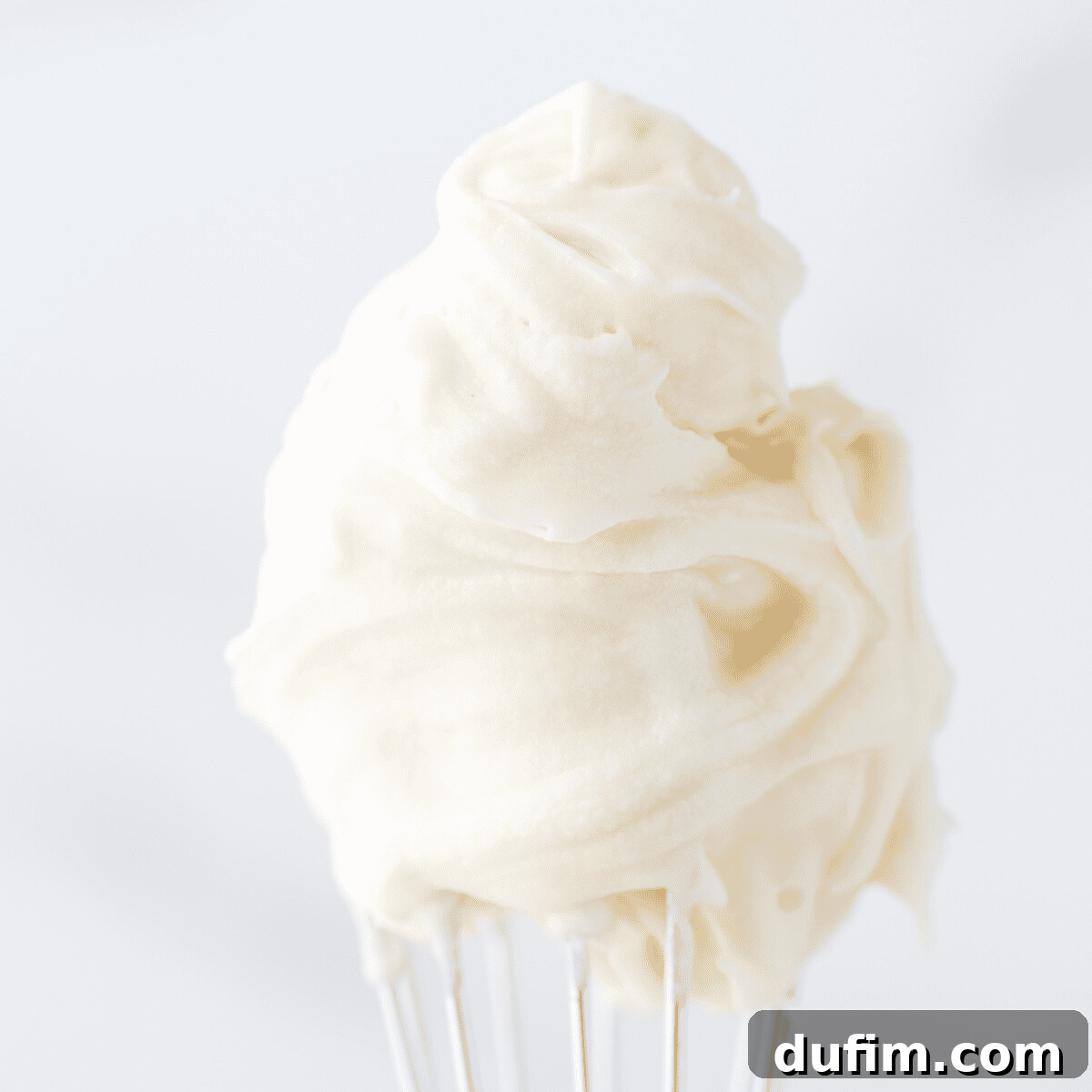
Welcome to the definitive guide to crafting the most exquisite homemade cream cheese frosting! For over a decade, this tried-and-true recipe has been my go-to, delivering consistently fluffy, perfectly tangy results that never disappoint. With just a few simple ingredients and a handful of expert tips, you’re about to unlock the secret to bakery-quality frosting right in your own kitchen.
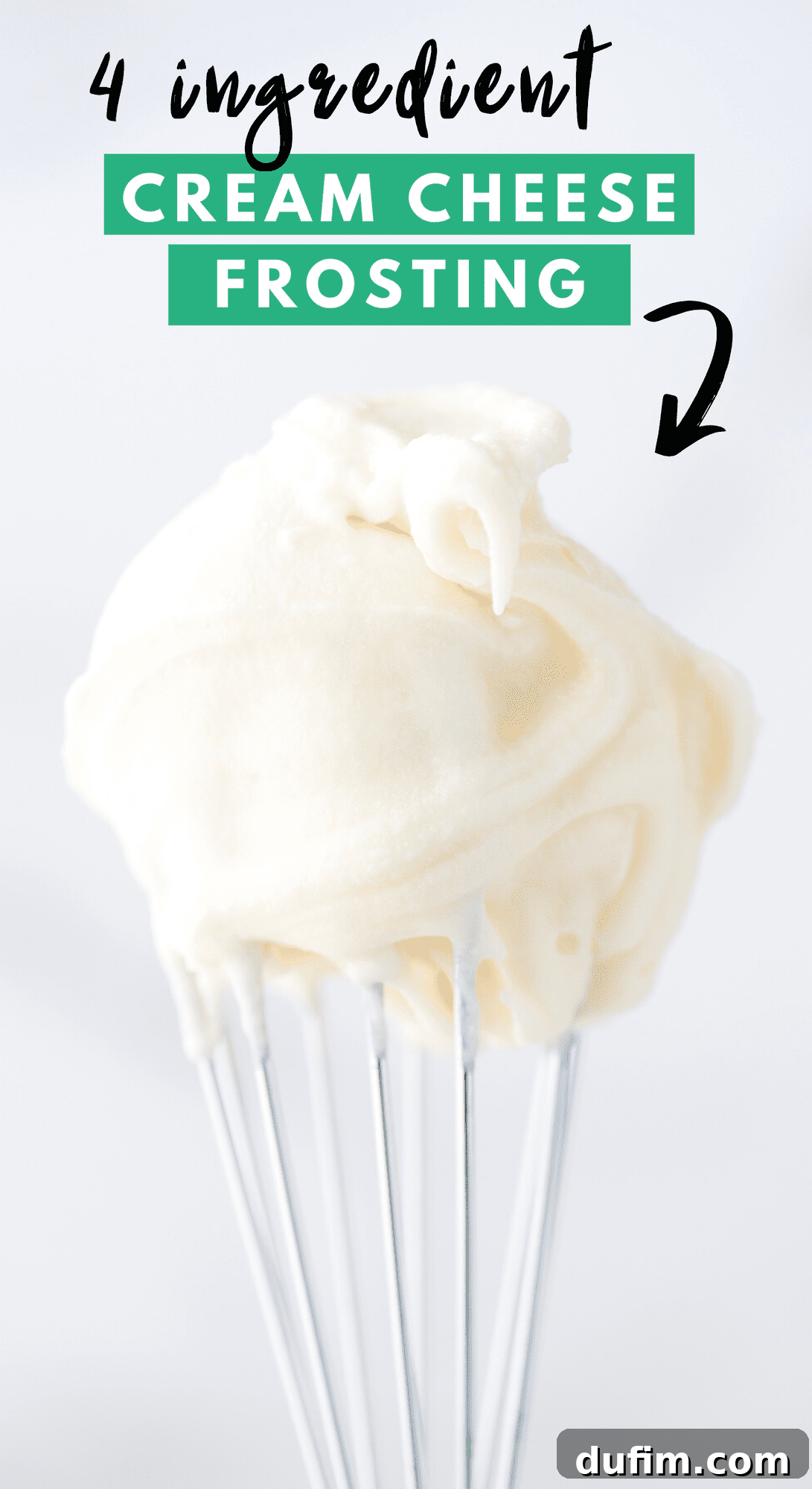
“Absolutely delicious and so easy to make! My new go-to for sure!!!”
-Donna
The Ultimate Homemade Cream Cheese Frosting Recipe: Your New Favorite
There’s a reason cream cheese frosting holds a special place in the hearts of bakers and dessert lovers alike. Its irresistible blend of creamy richness and delightful tanginess elevates any baked good it graces. Forget mediocre, overly sweet frostings that lack character. This isn’t just *a* cream cheese frosting recipe; it’s *the* cream cheese frosting recipe you’ll return to again and again.
I’ve dedicated countless hours over the years to perfecting the ratios and techniques, ensuring this recipe hits all the right notes: a luscious texture, balanced sweetness, and a pleasant tang that cuts through the richness, preventing it from being cloying. Whether you’re topping a classic carrot cake, decadent red velvet cupcakes, or a light banana cake, this frosting provides the perfect counterpoint, adding moisture and depth of flavor.
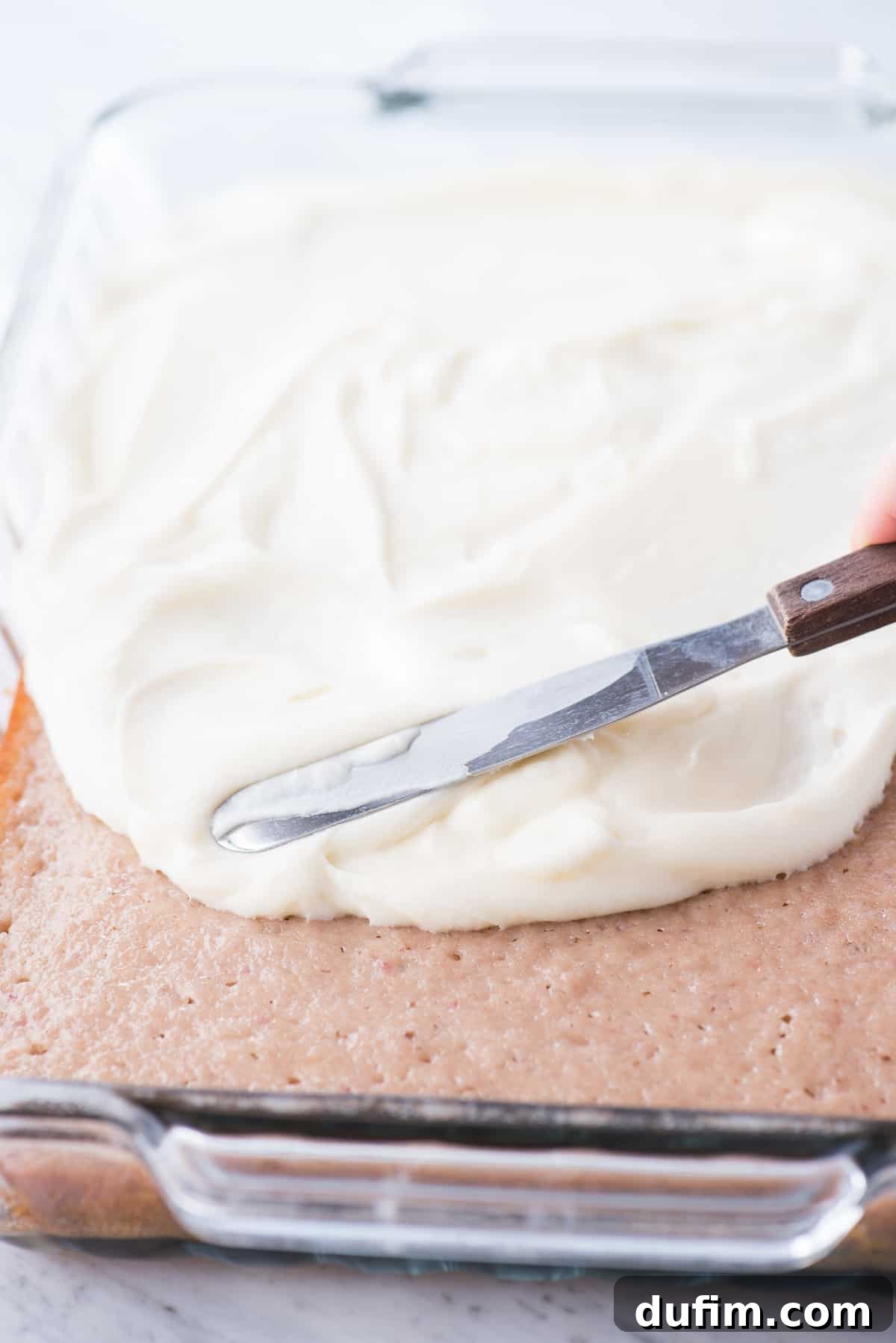
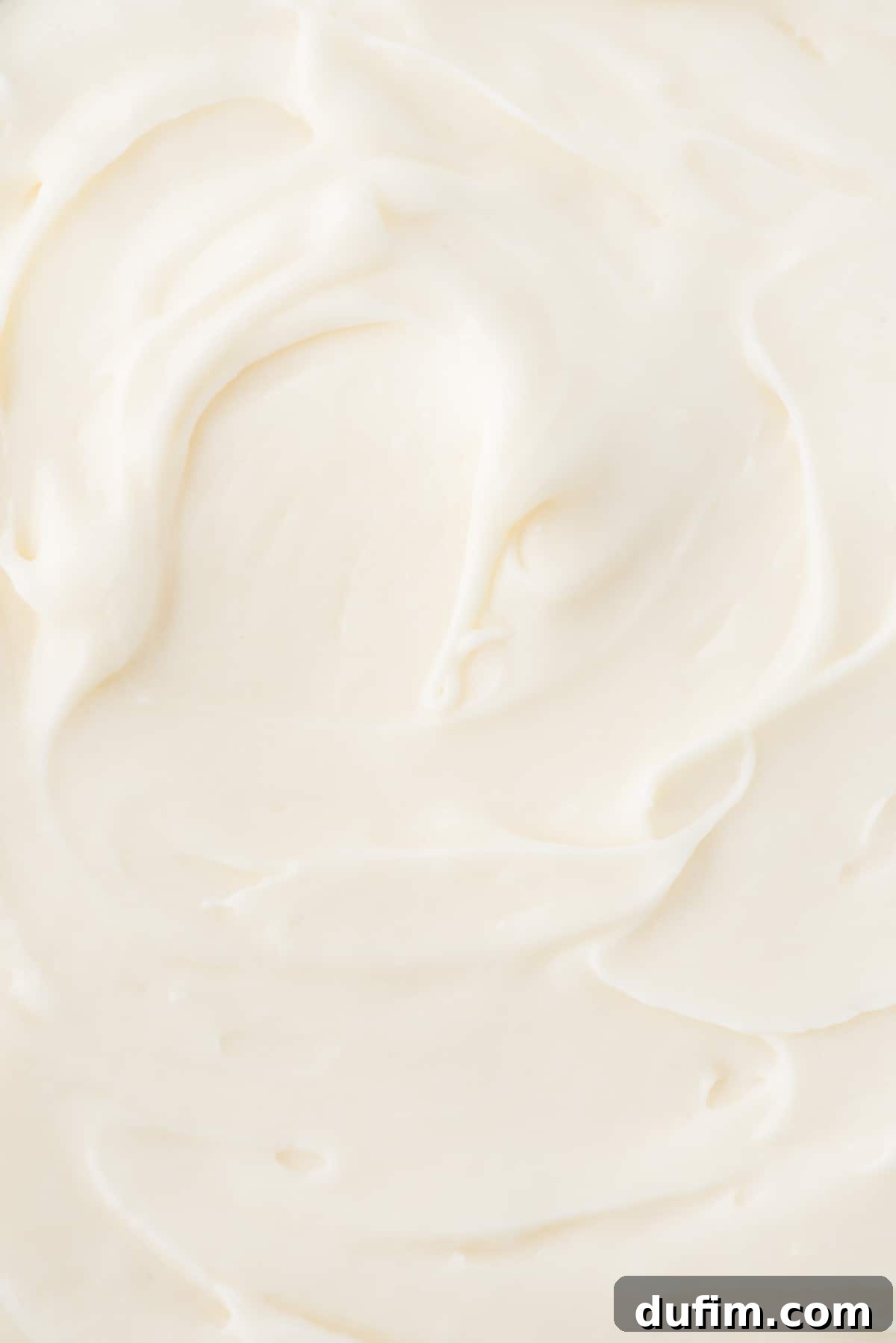
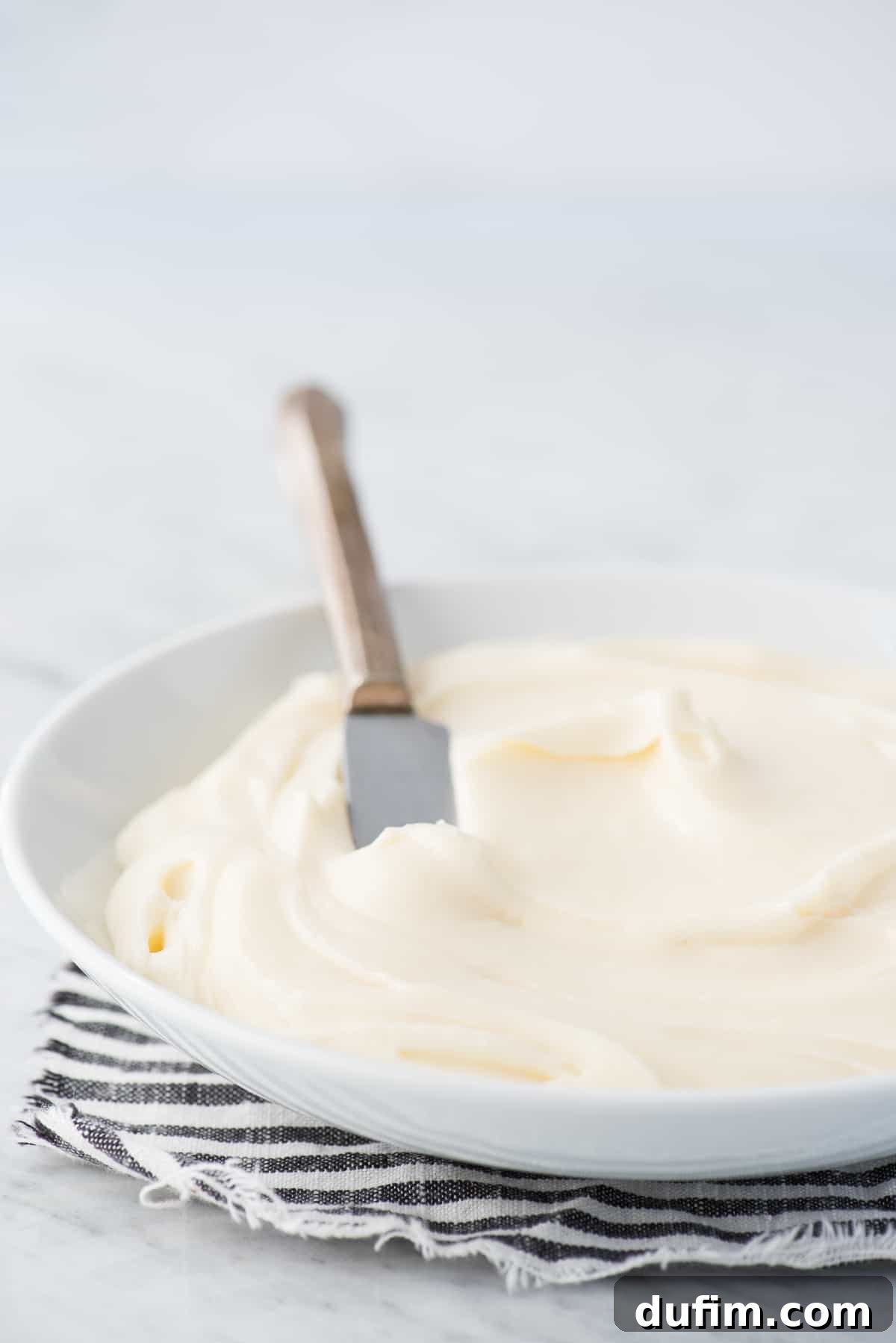
What truly distinguishes this homemade cream cheese frosting is its impeccable texture. It’s wonderfully ultra-creamy yet holds its shape beautifully, making it stiff enough for piping intricate designs, but still effortlessly smooth for spreading. The secret lies in starting with properly softened, room-temperature butter and full-fat cream cheese, then whipping them to an airy perfection before incorporating the powdered sugar and vanilla extract. This simple yet critical technique is detailed step-by-step, ensuring your success even if you’re a beginner baker.
If you’ve ever struggled with runny, greasy, or lumpy cream cheese frosting, your search ends here. This battle-tested recipe eliminates the guesswork, allowing you to achieve bakery-worthy results with confidence. Prepare for a frosting that’s rich in authentic cream cheese flavor, never too sweet, and always a joy to spread or pipe.
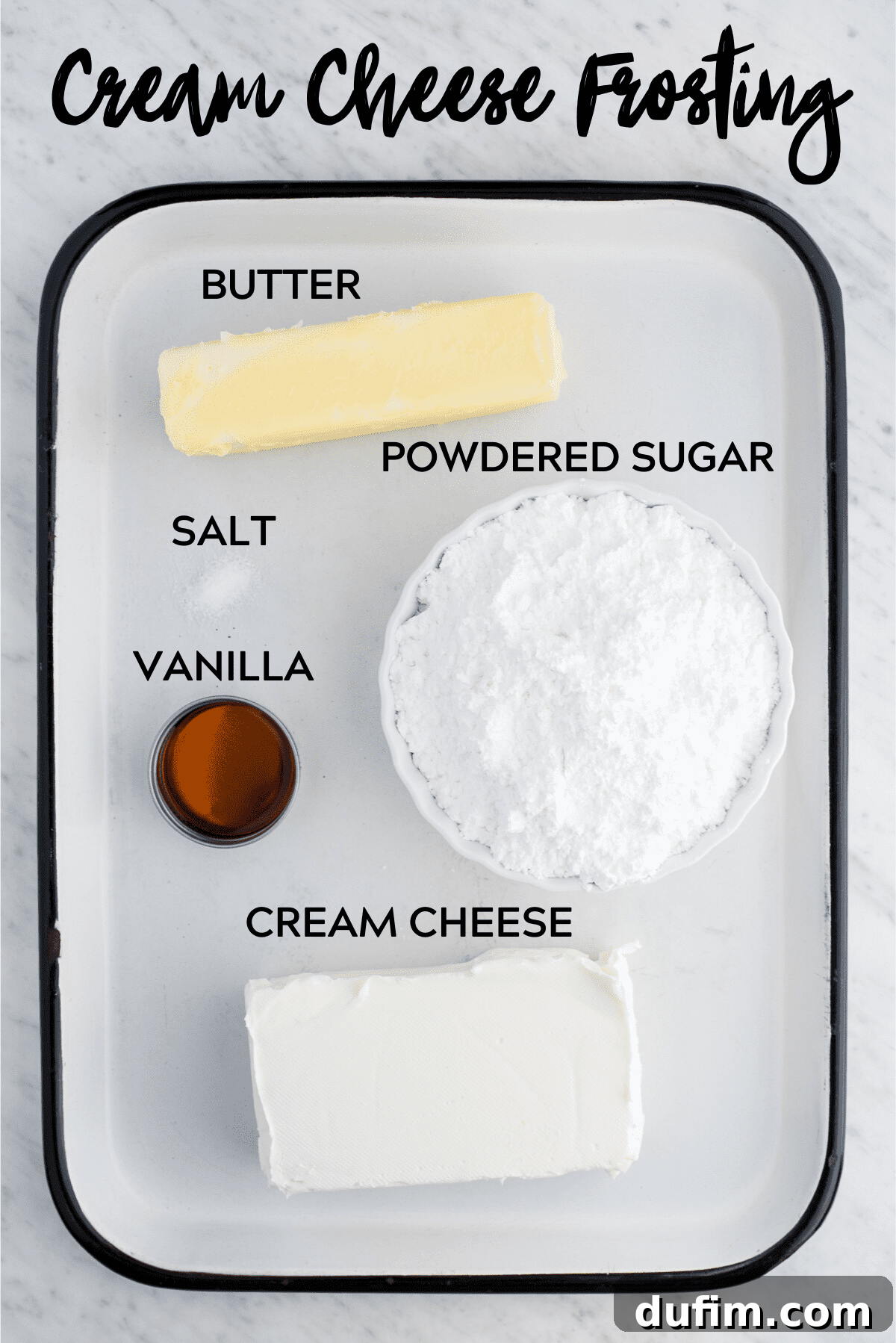
Essential Ingredients for the Best Cream Cheese Frosting
Creating a truly exceptional cream cheese frosting requires a few high-quality, foundational ingredients. Each plays a vital role in achieving that perfect balance of flavor and texture. Here’s what you’ll need:
- Full-Fat Cream Cheese, softened: This is the star of the show. We’ll discuss why full-fat is crucial below.
- Unsalted Butter, softened: Provides richness and structure. Using unsalted butter allows you to control the overall saltiness of your frosting.
- Pure Vanilla Extract: Essential for adding depth and warmth to the flavor profile.
- Powdered Sugar (Confectioners’ Sugar): Sweetens the frosting and gives it its smooth, melt-in-your-mouth texture.
- Optional additions: A pinch of salt to enhance flavors, and a dash of milk or heavy cream for adjusting consistency.
What is the best cream cheese to use?
For the ultimate cream cheese frosting, always opt for full-fat, brick-style cream cheese. This type typically comes in an 8-ounce (226-gram) package. Its higher fat content is key to achieving a rich, creamy, and stable frosting that won’t become runny or greasy. Reduced-fat, whipped, or spreadable cream cheese varieties contain more water and less fat, which can lead to a thinner, less flavorful, and more challenging frosting to work with. Ensure your cream cheese is properly softened to room temperature for smooth, lump-free results.
How to Make the Perfect Cream Cheese Frosting: Step-by-Step
This recipe yields enough frosting to generously cover a 9×13 inch sheet cake, a two-layer 8-inch round cake, or approximately 24 standard cupcakes. Follow these simple steps for flawless results:
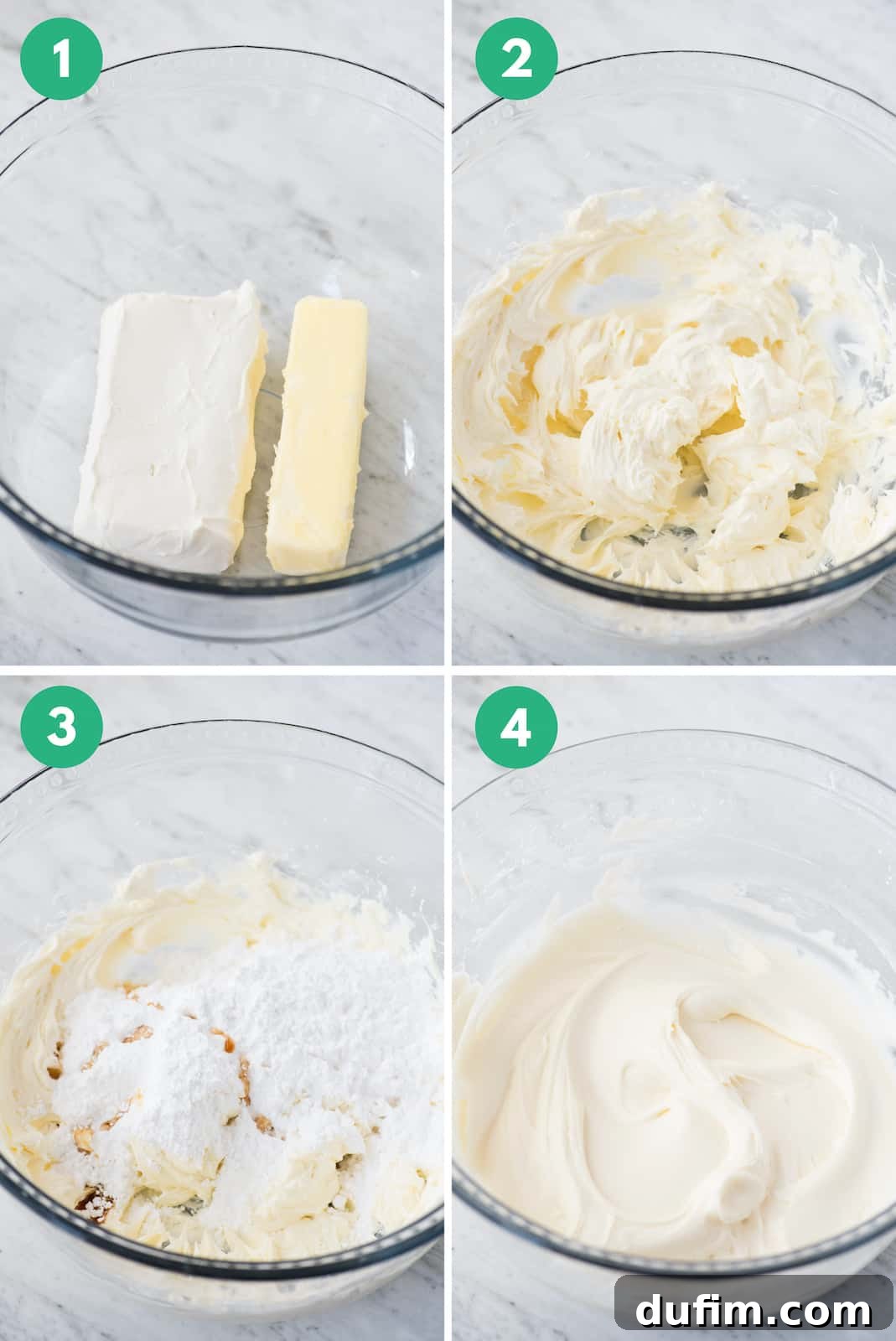
- Cream Butter and Cream Cheese: In a large mixing bowl, combine your properly softened unsalted butter and full-fat cream cheese. Using an electric mixer (handheld or stand mixer) on medium speed, beat these two ingredients together for 1-2 minutes. Continue mixing until the mixture is light, fluffy, and completely smooth. Scrape down the sides of the bowl as needed to ensure everything is well combined. This initial whipping step is crucial for incorporating air and preventing lumps.
- Add Vanilla and Powdered Sugar: Reduce the mixer speed to low. Add the vanilla extract and gradually introduce the powdered sugar, one cup at a time, mixing until fully incorporated after each addition. If using, now is the time to add a tiny pinch of salt (about 1/8 teaspoon) to enhance the flavors. Continue beating on low speed for another 1-2 minutes, scraping down the sides of the bowl frequently, until the frosting is smooth and creamy.
- Adjust Consistency (if needed): If your frosting appears too thick or stiff for your liking, add a splash of milk or heavy cream (start with 1 teaspoon) and beat again on low speed until it reaches your desired creamy consistency. Be careful not to add too much liquid at once.
- Use Immediately or Store: Your perfect cream cheese frosting is now ready to be spread on your favorite cakes, cupcakes, cookies, or other desserts. For best results, use it fresh. If not using immediately, store as directed in the section below.
Can I Make Cream Cheese Frosting Ahead of Time?
Absolutely! This cream cheese frosting is excellent for make-ahead convenience. Prepare the frosting as directed, then transfer it to an airtight container. Store it in the refrigerator for up to 1 week. When refrigerated, the frosting will naturally become much firmer due to the cold. Before using, allow the frosting to sit at room temperature for at least 30-60 minutes, or until it has softened. Then, give it a quick whip with an electric mixer for 1-2 minutes to restore its original light, fluffy, and creamy texture before frosting your treats.
Does Cream Cheese Frosting Need to Be Refrigerated?
Yes, cream cheese frosting generally requires refrigeration due to the dairy content. However, there’s a bit of flexibility depending on how long it will be left out:
Here’s what you need to know:
- Short-Term (1-2 Hours): It is generally safe to leave baked goods frosted with cream cheese at room temperature for up to 1 to 2 hours, especially in a cool environment. This is perfect for serving at a party or during a meal.
- Long-Term Storage: Beyond 2 hours, any frosted items should be refrigerated. The high moisture and fat content in cream cheese create an ideal environment for bacterial growth if left at warmer temperatures for too long.
- Storage Tip for Frosted Goods: Store cakes or cupcakes in an airtight container in the refrigerator for up to 4-5 days. For the best flavor and texture, remove them from the fridge 20-30 minutes before serving to allow the frosting to soften slightly.
Can You Freeze Cream Cheese Frosting?
Yes, cream cheese frosting freezes remarkably well, making it a fantastic option for meal prep or saving leftovers! With a few simple steps, you can preserve its creamy goodness.
How to Freeze Cream Cheese Frosting:
- Prepare for Freezing: Transfer the freshly made (or leftover) frosting into an airtight freezer-safe container or a heavy-duty zip-top freezer bag. If using a bag, press out as much air as possible to prevent freezer burn.
- Label and Freeze: Clearly label the container or bag with the date. Freeze for up to 1-2 months for optimal freshness. While it might last longer, quality can start to diminish after this period.
- Thaw Properly: When you’re ready to use it, transfer the frozen frosting to the refrigerator and allow it to thaw overnight (or for several hours) until fully defrosted.
- Re-Whip for Creaminess: Once thawed, the frosting might appear slightly separated or a bit dense. Don’t worry! Transfer it to a mixing bowl and re-whip it with an electric mixer for 1-2 minutes until it becomes smooth, creamy, and light again. This step is crucial for restoring its original texture.
Pro Tips for Freezing:
- If the frosting looks slightly separated after thawing and re-whipping, a persistent mix with a hand mixer will usually bring it right back together.
- Avoid freezing frosting that has already been spread on delicate cakes, as the thawing process can sometimes affect the cake’s texture, making it soggy. It’s best to freeze the frosting separately.
Freezing is a brilliant way to prepare for future parties, birthdays, or bake sales, ensuring you always have delicious homemade frosting on hand.
Troubleshooting Common Cream Cheese Frosting Issues
Even with a foolproof recipe, minor hiccups can occur. Here’s how to address and prevent the most common cream cheese frosting problems:
How to Avoid Runny Cream Cheese Frosting
Runny frosting is a common complaint, often caused by one of two things: over-whipping or using ingredients that are too warm. Cream cheese can become very soft and lose its structure if beaten excessively or if it’s too warm to begin with. The best way to prevent this is to avoid over-mixing once the powdered sugar is incorporated. Only beat until just combined and smooth.
To fix runny frosting: If your frosting becomes too thin, try adding more powdered sugar, about ¼ cup at a time, and mixing on low speed until it thickens. Be aware that this will make your frosting sweeter. Alternatively, you can refrigerate the frosting for 15-30 minutes to firm it up, then re-whip it briefly.
Why is Frosting Lumpy?
Lumpy frosting typically occurs when your cream cheese or butter (or both) were too cold when you started mixing. Cold ingredients don’t emulsify properly with each other, leading to small chunks of butter or cream cheese that refuse to smooth out.
How to Fix Lumpy Cream Cheese Frosting
The best prevention is to ensure all your dairy ingredients are at proper room temperature (soft but still cool to the touch) before you begin. If you find yourself with lumpy frosting, you can try these fixes:
- Gentle Warmth: If the lumps are persistent, place the mixing bowl (if it’s microwave-safe) in the microwave for very short intervals, 5-10 seconds at a time. Stir well after each interval. You want to soften the cold ingredients just enough to allow them to combine, not melt them.
- Extended Beating: Sometimes, simply continuing to beat the frosting for a few more minutes on medium speed can help break down stubborn lumps, especially if the ingredients are starting to warm up slightly from the friction.
- Sieving (Last Resort): For very persistent lumps (e.g., from powdered sugar that wasn’t sifted), you could *very carefully* push the frosting through a fine-mesh sieve. However, this is quite messy and should be a last resort.
Quick Tip for Room Temperature Ingredients: If you’re short on time, you can microwave brick cream cheese and butter for 5-10 second intervals until slightly softened, but be careful not to melt them. You want them pliable, not liquid.
Variations and Flavor Enhancements
While this classic recipe is perfect on its own, don’t hesitate to experiment with flavor variations to suit different desserts:
- Lemon Zest: Add 1-2 teaspoons of finely grated lemon zest for a bright, citrusy twist.
- Cinnamon or Spices: A pinch of ground cinnamon, nutmeg, or pumpkin pie spice can be lovely, especially for fall-themed desserts.
- Almond Extract: Substitute half of the vanilla extract with almond extract for a subtle nutty flavor.
- Cocoa Powder: Sift in ¼ to ½ cup of unsweetened cocoa powder along with the powdered sugar for a chocolate cream cheese frosting.
- Espresso Powder: A teaspoon of instant espresso powder can deepen the flavor of chocolate frosting or add a subtle coffee note to plain frosting.
Cake and Cupcake Recipes to Pair
This versatile cream cheese frosting is the ideal topping for a wide array of baked goods. Here are some delectable pairing ideas from our kitchen:
- White Cupcakes: A light, delicate base for a rich frosting.
- Lemon Cake: The tang of the frosting perfectly complements the citrusy cake.
- Doctored Up White Cake: Elevate a simple cake mix into something extraordinary.
- Lemon Cupcakes: Bright and fresh, a fantastic match.
- Strawberry Cake: The creaminess balances the fruity sweetness.
- Funfetti Cake: A festive classic made even better.
How to Use Cream Cheese Frosting: Beyond Cakes
Cookies to Pair with Whipped Cream Cheese Frosting
Beyond cakes and cupcakes, this frosting is sensational on cookies and bars, adding a soft, flavorful layer:
- Cut Out Sugar Cookies: A classic combination that’s always a hit.
- Lemon Cookies: Enhances the bright lemon flavor with its creamy tang.
- Coconut Cookies: A tropical treat with a luscious topping.
- Sugar Cookie Bars: Easy to frost and even easier to eat!
This frosting is also delightful on cinnamon rolls, pumpkin bread, banana bread, and even sandwiched between graham crackers for a simple snack.
If you’re a cream cheese enthusiast looking for something savory, don’t miss our recommended smoked cream cheese recipe on the grill!
Cream Cheese Frosting Recipe FAQs
Cream cheese frosting is a beloved confectionary topping made by creaming together softened cream cheese, butter, and powdered sugar, often with vanilla extract. It’s characterized by its unique tangy flavor, rich creaminess, and smooth texture, making it a perfect complement to a wide range of desserts, particularly those that are sweet or spiced.
While often used interchangeably, there’s a subtle distinction. Traditional cream cheese frosting typically relies on a higher ratio of cream cheese to butter, resulting in a more pronounced tangy flavor and a softer, creamier consistency. Cream cheese buttercream, on the other hand, incorporates a more balanced or even higher ratio of butter, leading to a richer, thicker, and often firmer frosting that holds its shape exceptionally well for intricate piping and decorations. Your choice depends on the desired texture, flavor intensity, and application for your baked goods.
The primary difference lies in the amount of air incorporated. Whipped cream cheese frosting involves a longer, more vigorous beating process that incorporates more air, resulting in a lighter, airier, and fluffier texture. This makes it ideal for a smooth, delicate finish on cakes and cupcakes. Regular cream cheese frosting, while still creamy, is denser and thicker, offering a richer mouthfeel and often more structural integrity.
The natural color of cream cheese is usually off-white or slightly yellowish, which will inherently tint your frosting. Additionally, if you use pure vanilla extract, its brownish hue can contribute to a subtle beige or ivory color in your frosting. To achieve a whiter frosting, you can use clear vanilla extract instead of pure vanilla, or add a tiny drop of purple food coloring (which neutralizes yellow tones) while mixing.
To achieve a piping-friendly consistency for your cream cheese frosting, several methods can be employed:
- Add More Confectioners’ Sugar: The most common method is to gradually add more powdered sugar (½ cup at a time) until the desired stiffness is reached. Be mindful that this will increase the frosting’s sweetness.
- Chill the Frosting: If it’s too soft, refrigerate the frosting for 15-30 minutes. Cold temperatures will firm up the butter and cream cheese, making the frosting stiffer. Re-whip briefly before piping.
- Ensure Ingredients are Cool-Room Temperature: Starting with ingredients that are softened but not overly warm is crucial. If your kitchen is hot, consider chilling your mixing bowl and beater for a few minutes before starting.
- Reduce Liquids: Be conservative with any added milk or cream. If you’ve already added too much, more powdered sugar or chilling will be necessary.
Adjust the sugar and chilling time as needed until you achieve the perfect thick, stable consistency for your piping designs.
“Better” is entirely subjective and depends on personal preference and the dessert being frosted! Cream cheese frosting offers a distinctive tangy, creamy flavor that pairs exceptionally well with spiced cakes (like carrot or pumpkin), red velvet, and citrusy desserts. It’s often less sweet than traditional buttercream. Buttercream, on the other hand, is incredibly versatile, can be flavored in countless ways, and generally holds up better for intricate decorating due to its firmer consistency. Many bakers love having both options in their repertoire, choosing one over the other based on the specific taste and texture desired for their creation.
This frosting will develop a slight crust on the surface when exposed to air, but it will not harden completely like royal icing or some types of buttercream. It maintains a wonderfully soft and creamy interior even after setting, especially when chilled.
Tap stars to rate!
Best Cream Cheese Frosting Recipe
Beth
5 minutes
5 minutes
2
cups
Rate
Equipment
-
Glass Mixing Bowl
-
Electric Mixer (Handheld or Stand Mixer)
Ingredients
-
8 oz (226g) full-fat cream cheese, softened -
½ cup (113g) unsalted butter, softened, 1 stick -
1 ½ tsp pure vanilla extract -
3-4 cups (339-454g) powdered sugar, sifted -
optional: 1/8 tsp salt and dash of milk or heavy cream
Instructions
-
Place room temperature unsalted butter and full-fat cream cheese in a large mixing bowl. Use an electric mixer on medium speed and beat together for 1-2 minutes, until whipped, light, and fluffy. Scrape down the sides of the bowl as needed.8 oz (226g) cream cheese,
1/2 cup (113g) unsalted butter, softened -
Reduce mixer speed to low. Add in the pure vanilla extract and gradually add the sifted powdered sugar (and optional salt), beating for 1-2 minutes until everything is fully incorporated and smooth. Scrape down the sides of the bowl frequently.1 1/2 tsp vanilla extract,
3-4 cups (339-454g) powdered sugar -
If the frosting is too thick, add a small splash (1 teaspoon at a time) of milk or heavy cream and beat until the desired creamy consistency is achieved.optional: 1/8 tsp salt and dash of milk or heavy cream
-
Use immediately to frost your favorite cakes, cupcakes, or cookies. Store any leftover frosting in a sealed container in the fridge.
Nutrition
Calories: 188kcal |
Carbohydrates: 23g |
Protein: 1g |
Fat: 11g |
Saturated Fat: 6g |
Polyunsaturated Fat: 1g |
Monounsaturated Fat: 3g |
Trans Fat: 1g |
Cholesterol: 31mg |
Sodium: 47mg |
Potassium: 22mg |
Sugar: 23g |
Vitamin A: 367IU |
Calcium: 16mg |
Iron: 1mg
Nutrition Disclosure
All nutritional values are approximate and provided to the reader as a courtesy. Changing ingredients and/or quantities will alter the estimated nutritional calculations.
Like this recipe? Rate and comment below!