

For over a decade, I’ve dedicated myself to perfecting the art of lemon cream cheese frosting, and through countless batches, I’ve uncovered the secrets to achieving a truly exceptional result. The key lies in understanding a few fundamental principles: precise ingredient temperature, meticulous mixing techniques, and the delicate balance between sweetness and tang. Imagine a frosting so smooth it glides effortlessly, so stable it holds its shape beautifully, and with a flavor profile that sings with bright, zesty lemon balanced by the rich creaminess of cheese. It’s not just frosting; it’s an experience.
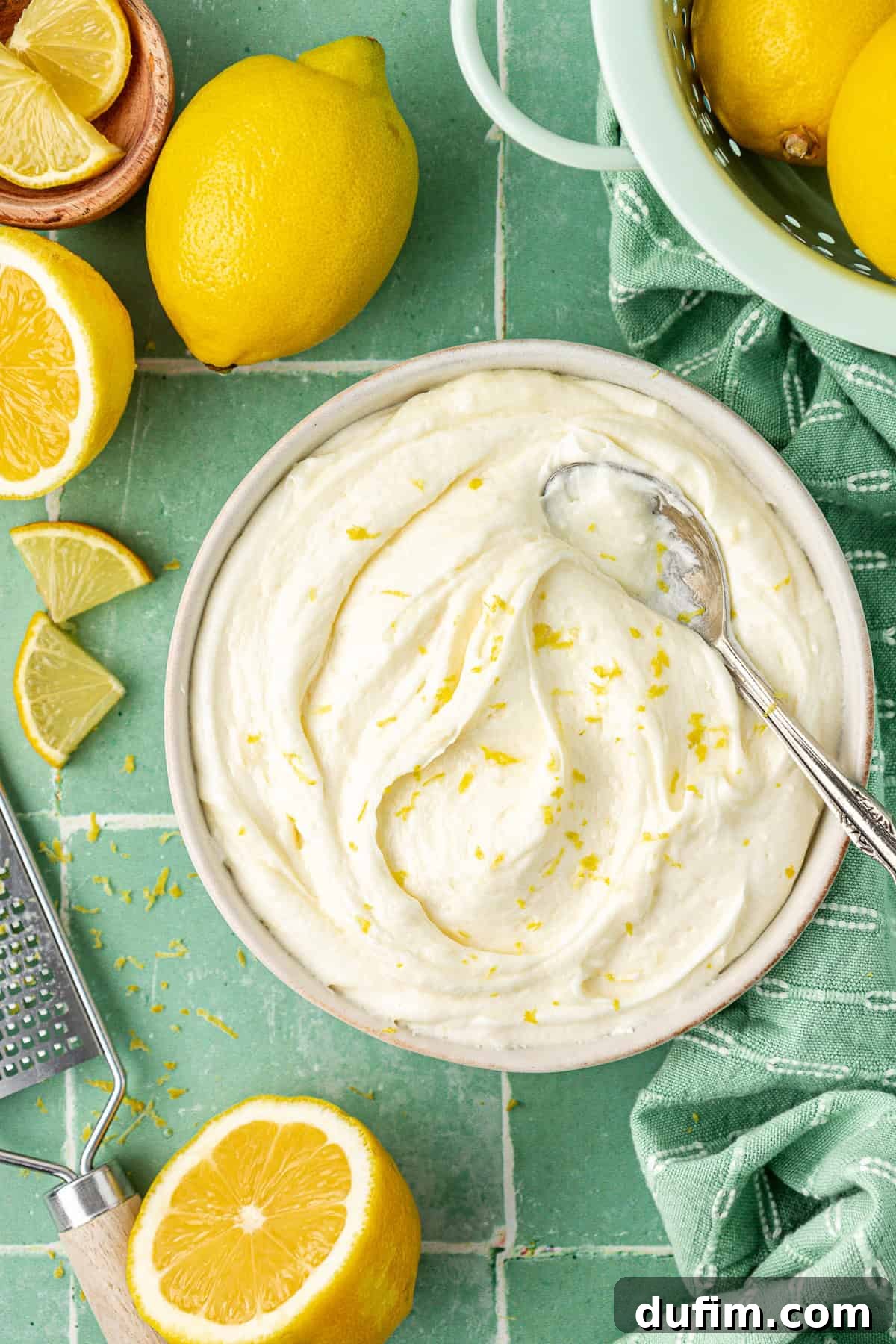
Crafting the Absolute Best Lemon Cream Cheese Frosting: A Decade of Sweet Wisdom
My journey to creating the absolute best lemon cream cheese frosting has been a delicious adventure, largely guided by trial and error. I’ve learned invaluable lessons along the way, often after making common mistakes myself. One of my earliest and most memorable missteps involved eagerly adding too much lemon juice, only to watch my beautiful frosting completely separate into a curdled mess. It was disheartening, but it led to a crucial discovery that transformed my approach.
That’s when I uncovered a simple yet powerful trick that every home baker should know: if your cream cheese frosting appears to be breaking or separating, do not panic! Just keep beating it. Cream cheese can be surprisingly finicky, but with continuous mixing, it almost always comes back together, transforming into the smooth, luscious texture you crave. This isn’t just luck; it’s the science of emulsification at play, and patience is your best tool.
Beyond this essential troubleshooting tip, I’ve distilled my decade of experience into three core principles that are absolutely vital for a consistently perfect cream cheese frosting. Mastering these will elevate your baking game and ensure your frosting is always a showstopper, never a struggle:
- Optimal Room Temperature Ingredients are Non-Negotiable: The foundation of a smooth frosting begins with your ingredients. Both cream cheese and unsalted butter must be at the correct room temperature – soft enough to yield when pressed, but still slightly cool to the touch. This isn’t just a suggestion; it’s critical. If your ingredients are too cold, you’ll end up with a lumpy, inconsistent frosting because they won’t emulsify properly. If they’re too warm, especially the butter, the frosting can become greasy and runny, making it impossible to pipe or spread beautifully. Aim for that sweet spot where they are pliable but retain a slight chill.
- The Art of Mixing: Don’t Overbeat, But Don’t Underbeat: Unlike traditional buttercreams that can handle extensive whipping, cream cheese frosting requires a more delicate touch once the dry ingredients are added. The initial creaming of butter and cream cheese needs to be thorough to incorporate air and achieve fluffiness. However, once the powdered sugar and liquids are introduced, overmixing can be detrimental. Excess beating can break down the cream cheese’s structure, causing the frosting to become too loose, thin, or even separate. The goal is to mix until just combined and fluffy, then stop. Conversely, under-beating will leave you with a dense or grainy texture, so finding that perfect balance is key.
- The Symphony of Sweetness & Tang: The inherent tang of cream cheese is a hallmark of this frosting, and it pairs exquisitely with the bright, citrusy notes of lemon. Personal preference plays a significant role here. For those who adore a bolder, more pronounced lemon flavor and a less sweet profile, slightly reducing the amount of powdered sugar allows the natural citrus tang to truly shine. If your palate leans towards a sweeter indulgence, you can incrementally add a little extra powdered sugar until you achieve your desired level of sweetness. Always taste as you go to find that harmonious balance that’s perfect for you and your dessert.
I’ve meticulously tested and refined this lemon cream cheese frosting recipe countless times, driven by the singular goal of making it absolutely foolproof for you. Say goodbye to frustrating separation, runny textures, or flavor imbalances. My aim is to provide you with a recipe that consistently delivers a smooth, vibrant, and incredibly flavorful frosting that’s a joy to work with and a delight to taste. If my insights can help you bypass the common pitfalls I encountered in my early baking days, then I consider my mission accomplished. Prepare to impress with a frosting that embodies perfection.
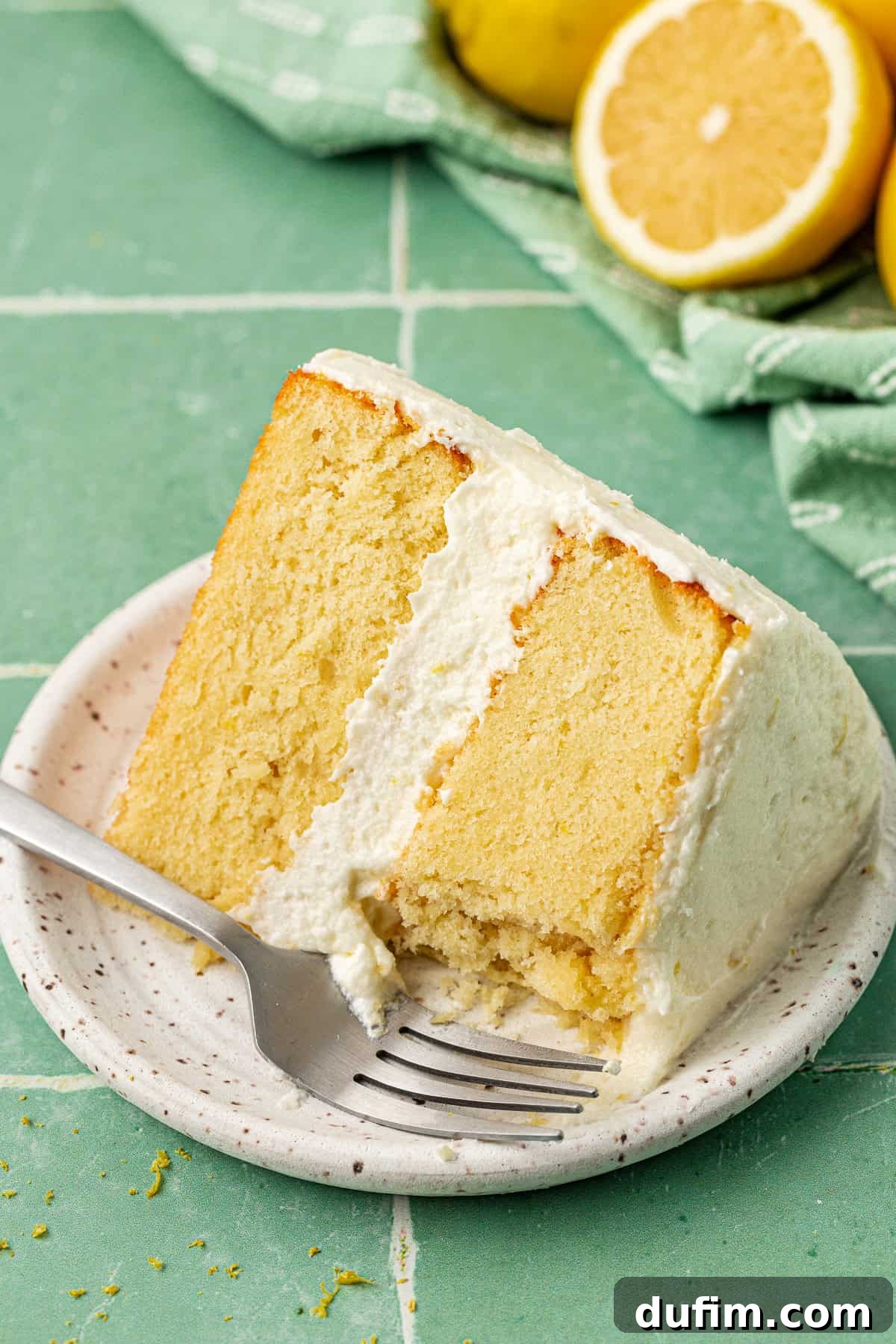
Unveiling the Differences: Cream Cheese Frosting vs. Buttercream
While both cream cheese frosting and buttercream serve as delightful toppings for a wide array of baked goods, they possess distinct characteristics that set them apart. Understanding these differences can help you choose the ideal frosting for your specific dessert and palate.
Cream cheese frosting, at its core, incorporates cream cheese as a primary ingredient, alongside butter, powdered sugar, and flavorings. This inclusion of cream cheese is what imparts its signature tangy flavor, which beautifully complements the sweetness and adds a layer of complex taste. It generally has a softer, slightly more delicate texture than buttercream, often described as rich, creamy, and wonderfully light. The tang makes it particularly well-suited for carrot cakes, red velvet cakes, and, of course, lemon-flavored desserts, as it cuts through richness and provides a refreshing counterpoint.
Buttercream, on the other hand, is fundamentally made with butter, powdered sugar (or granulated sugar in meringue-based versions), and a touch of liquid like milk or cream, along with vanilla or other extracts. As its name suggests, butter is the star, giving it a distinctly sweet, rich, and intensely buttery flavor profile. Buttercreams typically boast a firmer, more stable consistency, making them excellent for intricate piping work and structural decoration. Varieties range from classic American buttercream to silky Swiss or Italian meringue buttercreams, each offering varying levels of sweetness and texture. While equally versatile, buttercream lacks the characteristic tang that cream cheese provides, offering a more straightforward sweet and rich experience.
In essence, if you’re seeking a frosting with a bright, slightly tangy zest that balances sweetness and offers a luxurious, melt-in-your-mouth creaminess, lemon cream cheese frosting is your perfect match. If a pure, sweet, and robustly buttery flavor with greater structural integrity is your goal, then a classic buttercream might be more appropriate. Each has its charm, but for that irresistible lemon zing, cream cheese frosting reigns supreme.
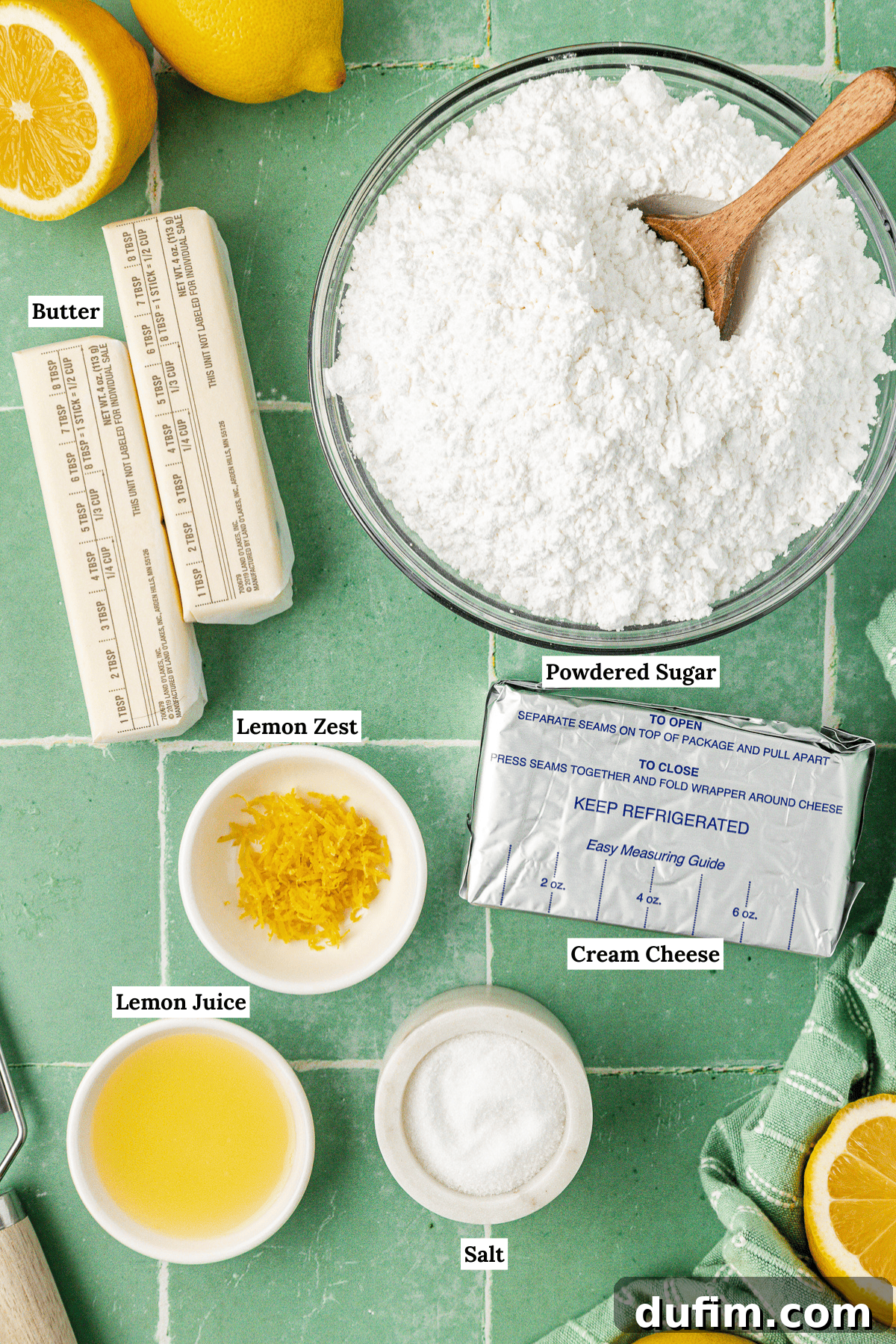
Essential Ingredients for Your Lemon Cream Cheese Frosting
My meticulously crafted recipe for lemon cream cheese frosting achieves a harmonious balance of tangy zest and delightful sweetness with a surprisingly simple list of ingredients. Each component plays a crucial role in creating the perfect texture and flavor. While you’ll find the precise measurements and detailed instructions in the complete recipe card below, here’s an overview of what you’ll need to gather:
- Cream Cheese: The star of the show! Ensure it’s full-fat and at the proper room temperature for the smoothest, creamiest base. Its natural tang is indispensable.
- Unsalted Butter: Provides richness and structure. Like the cream cheese, precise room temperature is key for a well-emulsified frosting. Unsalted allows you to control the salt content.
- Powdered Sugar (Confectioners’ Sugar): This fine sugar dissolves easily, creating a smooth texture without graininess, and is responsible for the frosting’s sweetness and body.
- Fresh Lemon Juice: Delivers that bright, essential citrus tang. Always use fresh-squeezed for the best flavor; bottled juice simply won’t compare.
- Salt: A small pinch of salt is vital to balance the sweetness and enhance all the other flavors, preventing the frosting from tasting flat.
- Lemon Zest (Optional, but highly recommended): The true secret weapon for intense lemon aroma and flavor. The oils in the zest provide a fragrant punch that juice alone cannot. Add it for an extra layer of bright citrus goodness.
Having these ingredients prepped and at the correct temperature will set you up for success in creating a truly irresistible lemon cream cheese frosting.
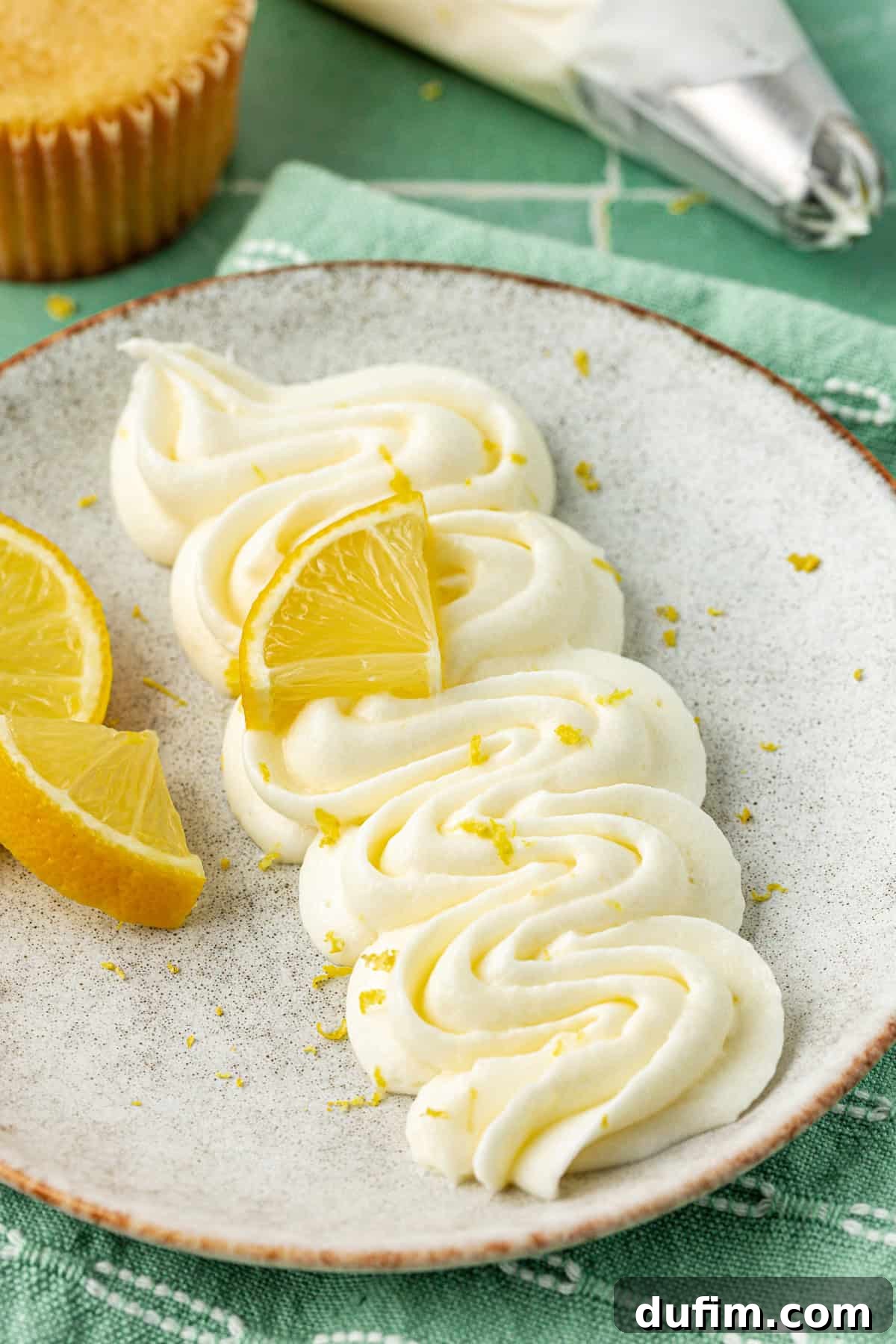
Step-by-Step: Crafting Your Perfect Lemon Cream Cheese Frosting
Making this lemon cream cheese frosting is remarkably straightforward when you adhere to a few simple, tried-and-true steps. The process is designed to be efficient, yielding a silky-smooth, vibrant, and delicious frosting every time.
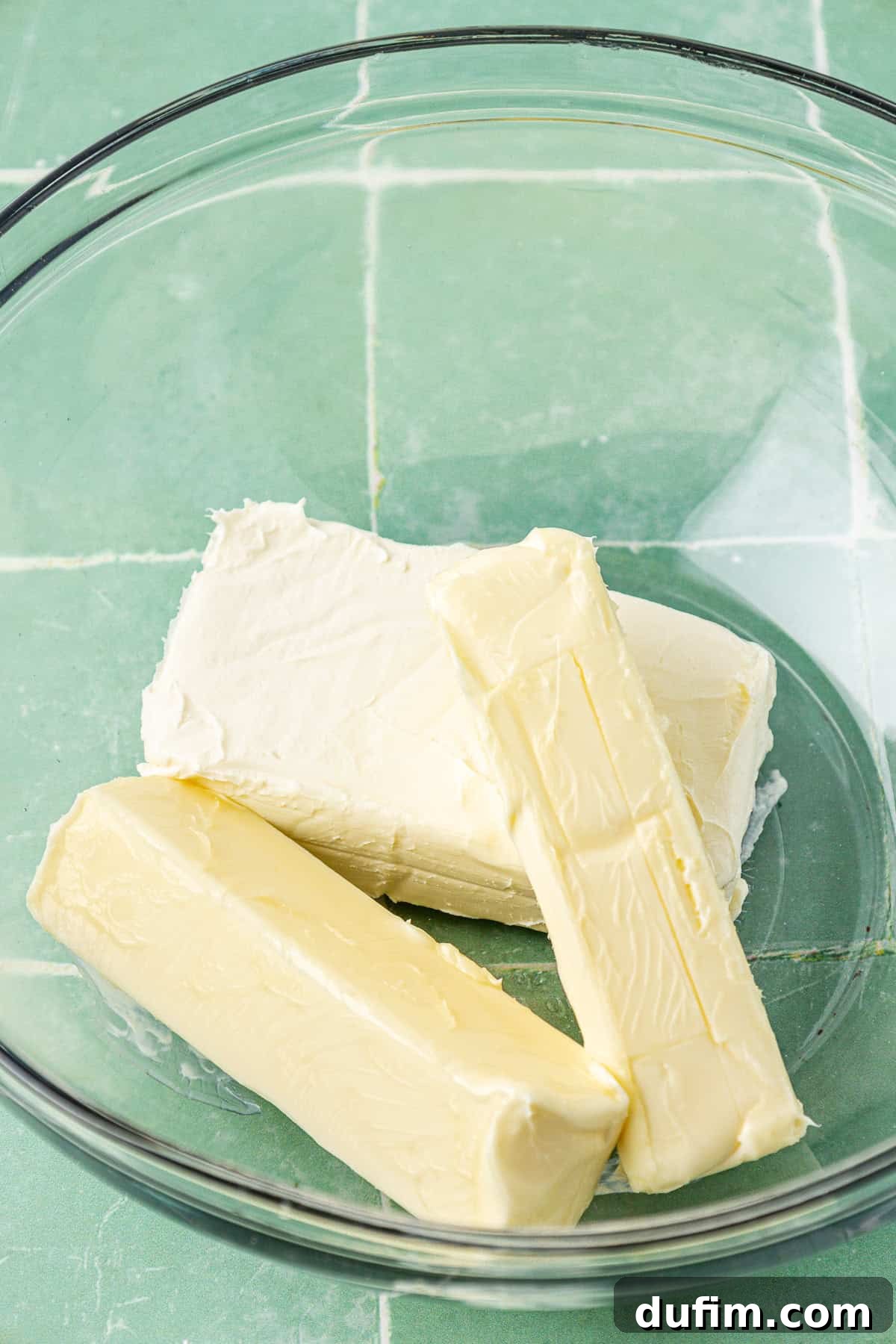
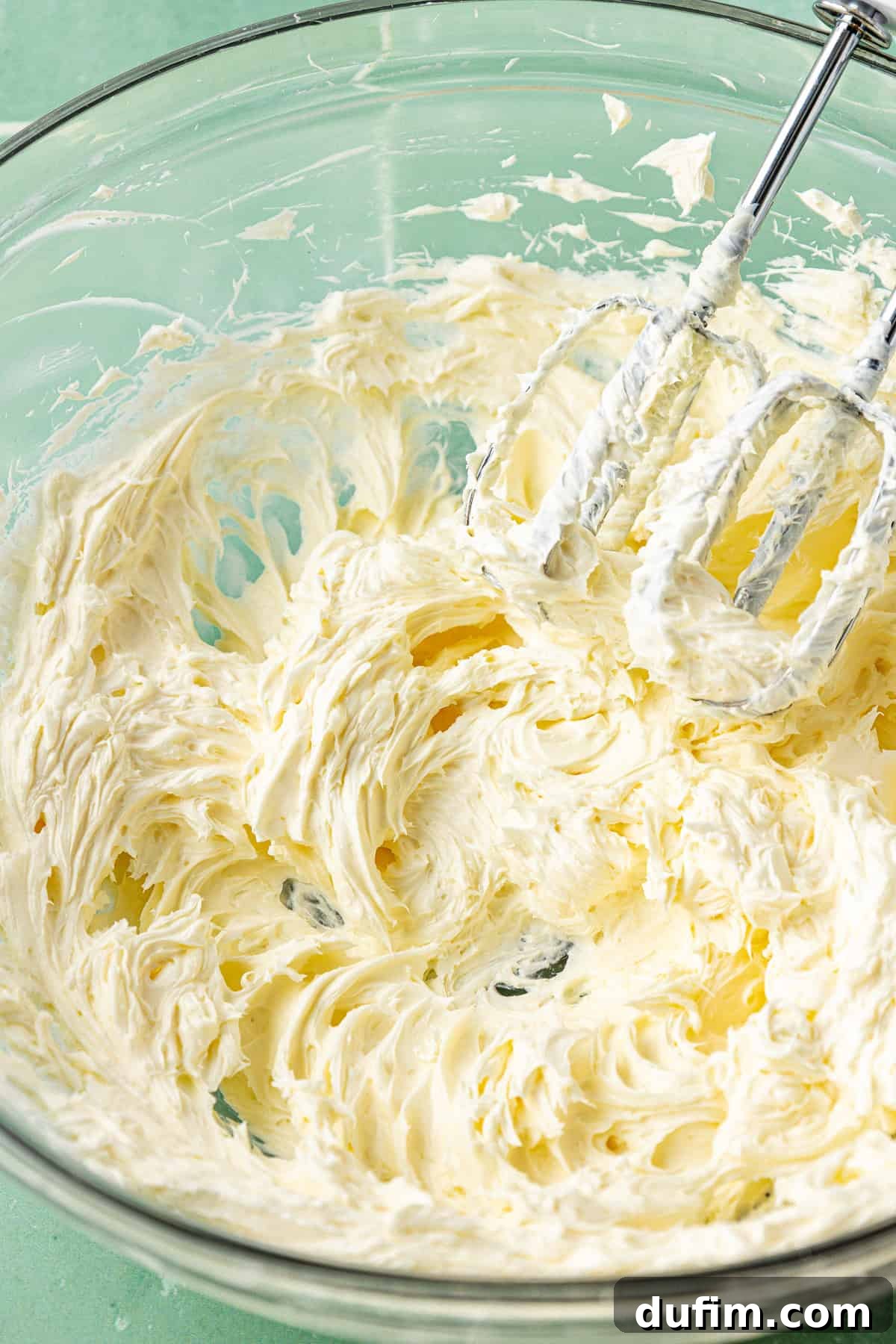
- Cream the Cream Cheese and Butter: In the bowl of a stand mixer fitted with the paddle attachment, or using a high-quality hand mixer, combine the softened cream cheese and unsalted butter. Beat them together on medium speed for approximately 1 to 2 minutes. The goal here is to achieve a light, airy, and fluffy mixture, ensuring no lumps remain and the ingredients are thoroughly incorporated. Scrape down the sides of the bowl as needed to ensure even mixing. This initial step is foundational for the overall texture of your frosting.
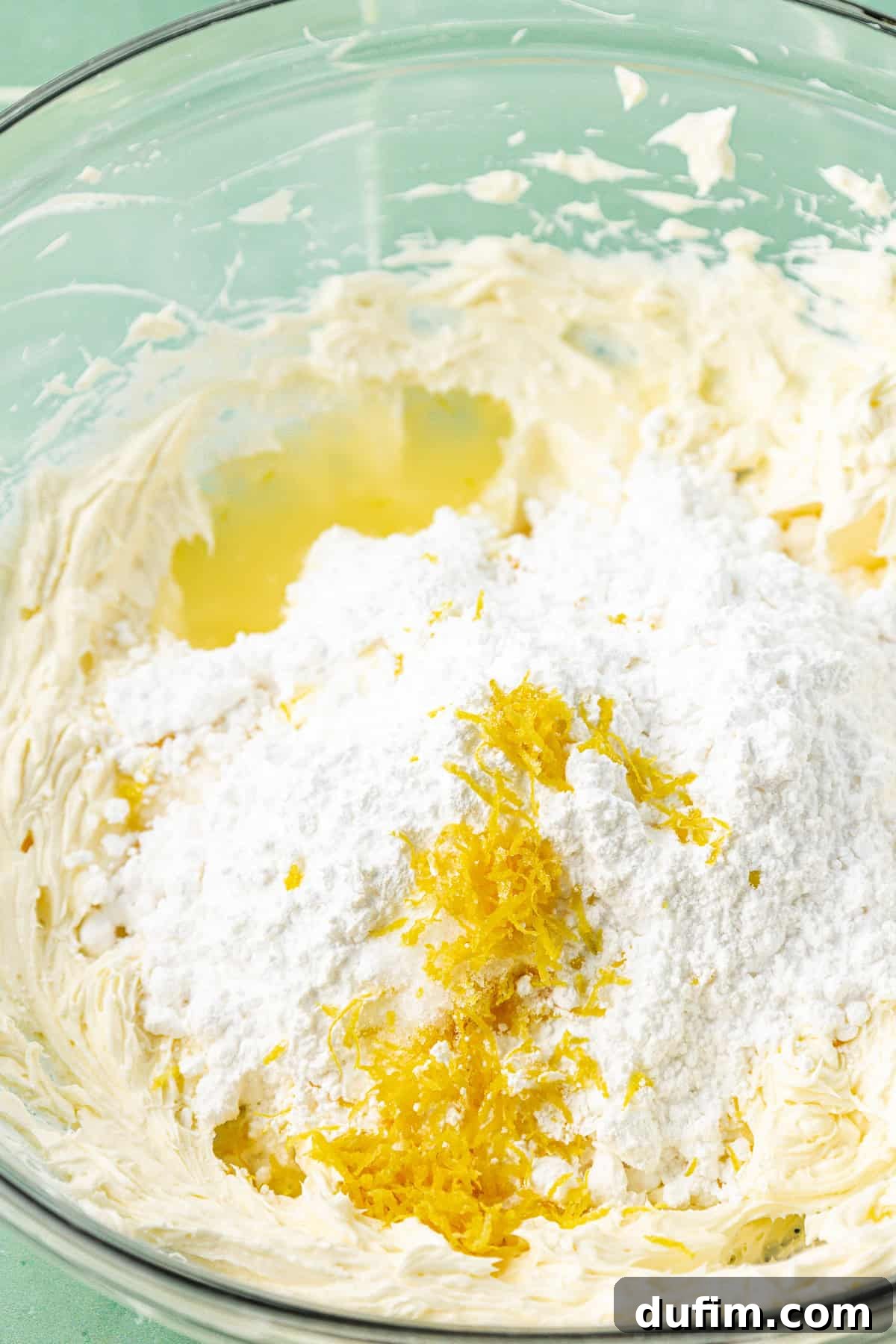
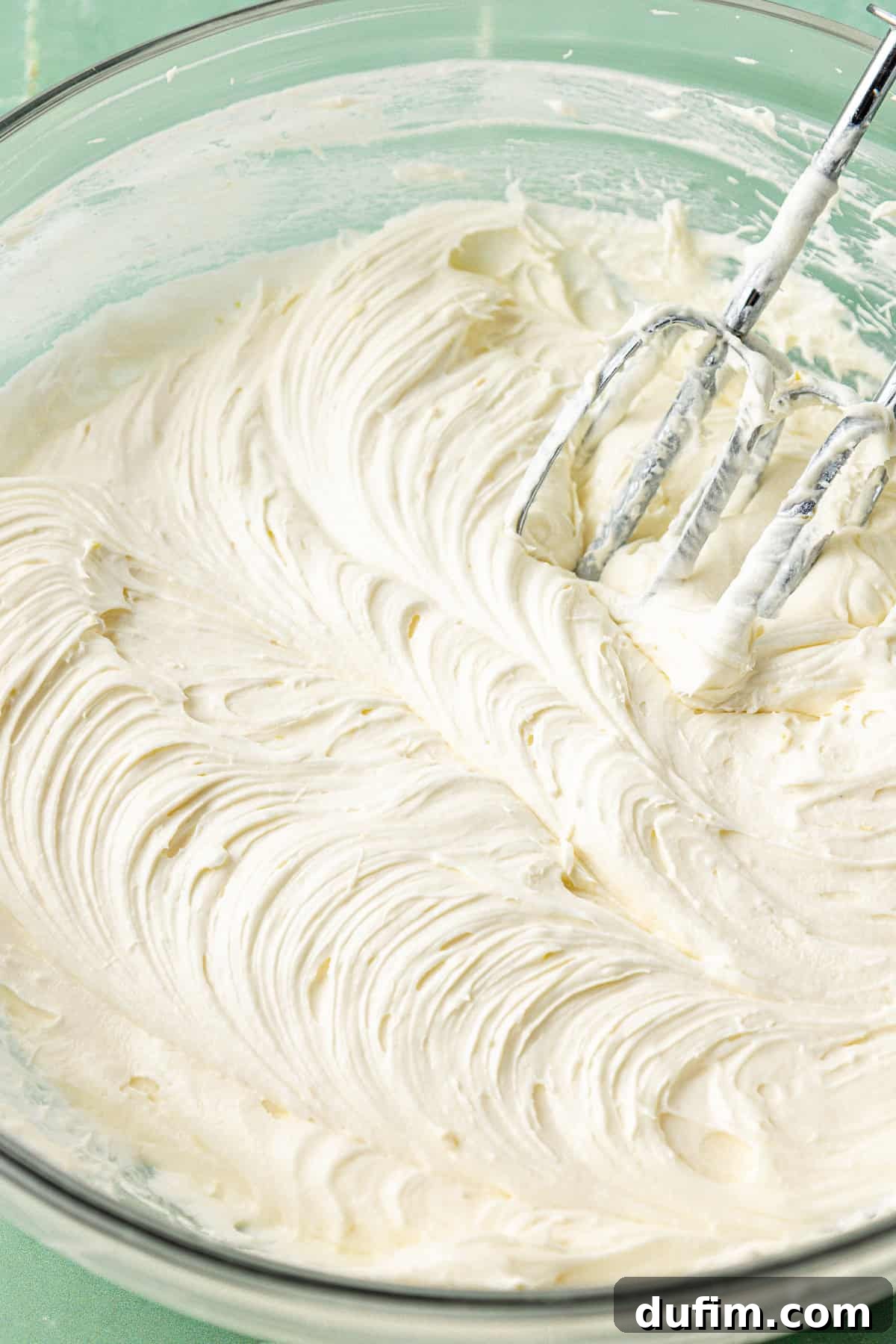
- Incorporate Remaining Ingredients and Whip: With the mixer on low speed, gradually add 3 ½ cups of the powdered sugar, followed by the fresh lemon juice, salt, and the optional (but recommended) lemon zest. Mix on low speed until all ingredients are just combined and no dry streaks of sugar remain. Once combined, increase the mixer speed to high and beat the frosting vigorously for an additional 2 to 3 minutes. This final whipping phase helps aerate the frosting, making it exceptionally light and creamy. Taste the frosting and adjust the sweetness to your preference by adding more powdered sugar, a tablespoon at a time, if a sweeter profile is desired. If the frosting appears too thick for your application, thin it out by adding 2 to 4 teaspoons of milk or heavy cream, mixing until it reaches your desired consistency.
- Store, Prepare for Use, and Revitalize: Once your perfect lemon cream cheese frosting is ready, cover it tightly with plastic wrap directly touching the surface to prevent a crust from forming, and store it in the refrigerator for up to 1 week. For longer preservation, it can be stored in an airtight, freezer-safe container in the freezer for up to 3 months. When you’re ready to use chilled or frozen frosting, allow it to thaw thoroughly in the refrigerator overnight, then bring it to room temperature on the counter for about an hour. Before piping or spreading, give the frosting a quick beat with your mixer for a few seconds. This re-emulsifies it and restores its wonderfully creamy, smooth texture. If it remains too stiff after beating, incorporate a small amount (½ to 1 teaspoon) of milk or heavy cream and mix until it’s perfectly smooth and spreadable.
Pro Tips for Achieving Perfect Lemon Cream Cheese Frosting Every Time
While the recipe itself is straightforward, incorporating these professional tips will elevate your lemon cream cheese frosting from good to truly exceptional, ensuring a smooth, stable, and delicious result with every batch.
- Embrace Room Temperature Ingredients Fully: I cannot stress this enough – using properly softened cream cheese and butter is the single most critical factor for lump-free, silky frosting. If your ingredients are too cold, they won’t combine smoothly, leaving you with unpleasant curds of cream cheese or butter in your final product. Take them out of the refrigerator at least an hour before you plan to bake, or even two hours if your kitchen is cool. They should be pliable to the touch but still cool enough that they haven’t started to melt.
- Avoid Overwhipping Once Powdered Sugar is Added: This is a common pitfall. While creaming butter and cream cheese initially requires good whipping, once the powdered sugar and liquids go in, excessive beating can introduce too much air or break down the fat emulsion. This can lead to a runny, unstable frosting that struggles to hold its shape, especially in warmer temperatures. Mix until just smooth and fluffy, then stop. If you find your frosting becoming too loose, add a small amount (1-2 tablespoons) of additional powdered sugar and gently mix until it thickens. Be mindful that more sugar will increase the sweetness.
- Sift Your Powdered Sugar for Ultimate Smoothness: For the silkiest frosting imaginable, take an extra minute to sift your powdered sugar before adding it to the creamed mixture. Powdered sugar can sometimes clump together in the bag, and sifting removes these lumps, ensuring a uniformly smooth texture without any grainy bits. This small step makes a significant difference in the final mouthfeel of your frosting.
- Choose Your Mixer Wisely: An electric mixer, whether a stand mixer with a paddle attachment or a powerful hand mixer, is highly recommended for this recipe. It ensures consistent mixing and aeration, which is difficult to achieve by hand. However, if you don’t have an electric mixer, don’t despair! You can absolutely make this frosting by hand with a sturdy whisk and a good amount of arm power. While it will require more effort and time, mixing by hand might actually make you more conscious of not overwhipping, potentially leading to a perfectly textured frosting. Just be patient and persistent!
- Don’t Be Shy with Lemon Zest: While lemon juice provides tang, lemon zest is where the concentrated aromatic oils reside, delivering a powerful burst of true lemon flavor. Use a microplane or fine grater to get only the yellow part of the peel, avoiding the bitter white pith. The zest truly elevates the overall lemon experience of the frosting.

Storage Best Practices for Your Lemon Cream Cheese Frosting
Proper storage is essential to maintain the freshness, texture, and food safety of your homemade lemon cream cheese frosting. Because it contains dairy products like cream cheese and butter, refrigeration is always recommended.
You can easily prepare this delightful frosting in advance, or store any delicious leftovers, by placing it in an airtight container. Once sealed, it will keep beautifully in the refrigerator for up to 1 week. This makes it perfect for meal prepping your desserts or having a convenient topping ready to go.
It’s important to note that cream cheese frosting will naturally firm up and thicken considerably in the refrigerator as it gets cold. This is completely normal due to the fats solidifying. Before you plan to use it for frosting cakes or cupcakes, always remember to remove the container from the fridge and allow it to come back to room temperature on your kitchen counter. This typically takes about 30 minutes to an hour, depending on your kitchen’s ambient temperature and the volume of frosting. Once it has softened, give the frosting a quick whip with an electric mixer for a few seconds. This re-incorporates the ingredients, smooths out any stiffness, and restores that wonderfully creamy, spreadable texture, making it perfect for your baking projects.
Can You Freeze Lemon Cream Cheese Frosting? Absolutely!
Yes, lemon cream cheese frosting freezes exceptionally well, making it a fantastic option for long-term storage and future baking needs. This is a real time-saver!
To freeze, simply transfer the frosting into an airtight, freezer-safe container or a heavy-duty freezer bag, ensuring as much air as possible is pressed out to prevent freezer burn. I highly recommend labeling the container or bag with the date of freezing so you can keep track of its freshness. When stored correctly, your lemon cream cheese frosting can be kept in the freezer for up to 3 months without compromising its quality.
When you’re ready to use your frozen frosting, the thawing process is simple: transfer it from the freezer to the refrigerator and allow it to thaw overnight. Once thawed, let it sit on the counter until it reaches room temperature. Just like with refrigerated frosting, a brief whip with an electric mixer will revitalize it, restoring its smooth, creamy consistency and making it perfectly ready to adorn your favorite treats.
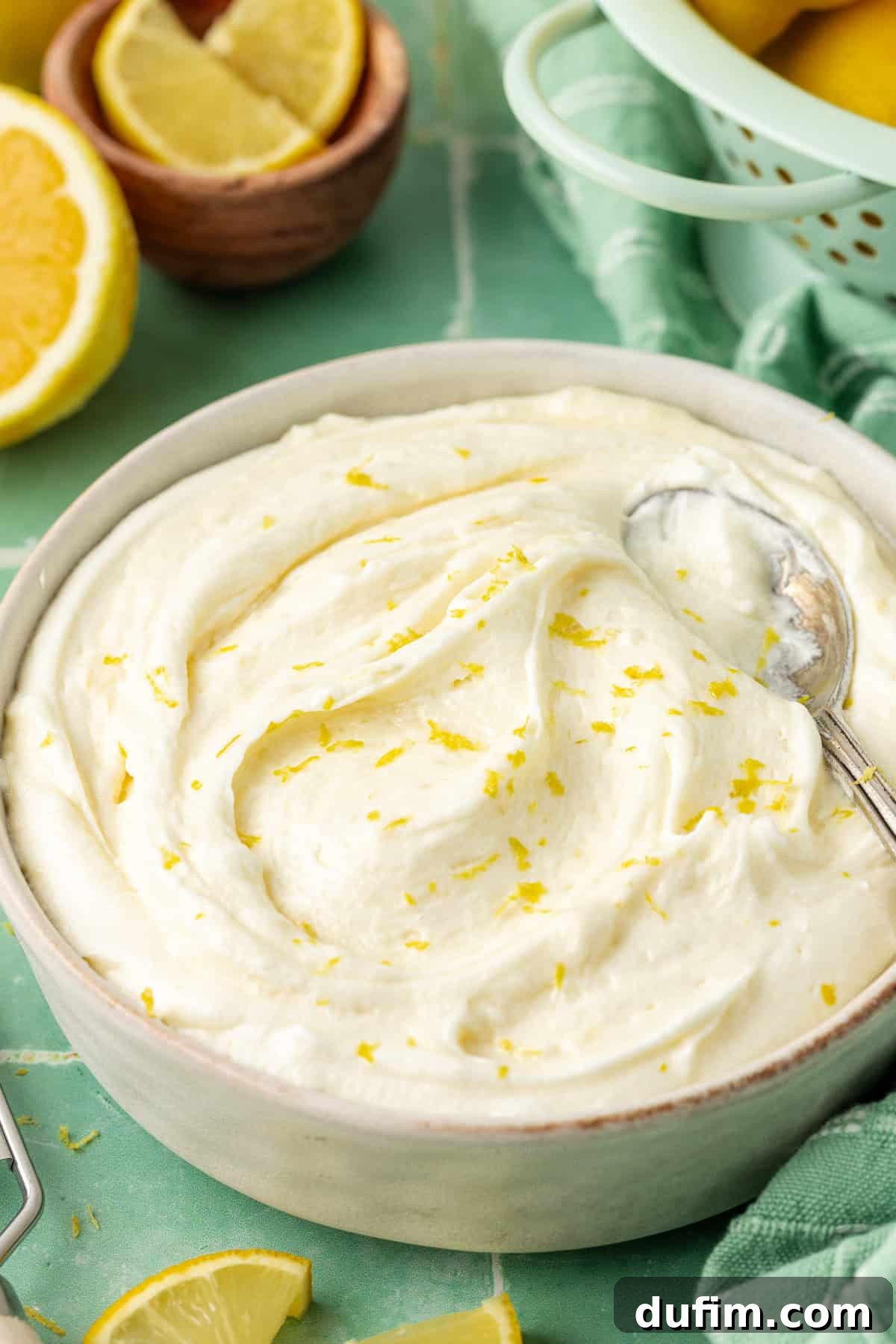
Delightful Ways to Enjoy Your Lemon Cream Cheese Frosting
This versatile lemon cream cheese frosting isn’t just for cakes; its bright, tangy, and creamy profile makes it a perfect companion for an extensive range of desserts and snacks. Here are some of the best ways to put your freshly made frosting to delicious use:
- Lemon Sheet Cake or Layer Cake: The absolute classic pairing! This frosting is the quintessential topping for any lemon cake, enhancing its citrusy notes and providing a rich, tender contrast.
- Vanilla Cupcakes: Transform simple vanilla cupcakes into an elegant treat. The tangy lemon frosting adds a surprising and refreshing twist to the subtle vanilla base.
- Lemon Cupcakes: Double the lemon, double the delight! This frosting makes lemon cupcakes an explosion of vibrant citrus flavor.
- Blueberry Muffins: A dollop of lemon cream cheese frosting turns a humble blueberry muffin into a gourmet breakfast or dessert, mimicking the flavors of lemon blueberry pancakes.
- Sugar Cookies: Forget plain icing! Spread this creamy frosting on your favorite sugar cookies for an instantly more flavorful and luxurious cookie experience, especially lemon-flavored ones.
- Zucchini Bread: The subtle sweetness and spice of zucchini bread find their perfect match in this bright and tangy frosting, elevating a wholesome bake to dessert status.
- Dipping Sauce for Fruit: Offer this frosting as a delightful dip for fresh berries, apple slices, or melon. It adds a decadent, lemony creaminess that’s unexpectedly addictive.
- On Scones or Quick Breads: Serve it alongside warm scones or other quick breads like banana bread for a special brunch item.
- As a Filling: Use it as a vibrant filling for sandwich cookies, macarons, or even between layers of crisp meringue.
No matter how you choose to enjoy it, this lemon cream cheese frosting promises to add a burst of fresh flavor and luxurious texture to any treat.

Creative Variations & Customizations for Your Lemon Cream Cheese Frosting
While the classic lemon cream cheese frosting is undeniably delicious, it also serves as a fantastic base for creative variations. Don’t hesitate to experiment and customize it to suit your taste or complement specific desserts. Here are some inspiring ideas to add unique twists to your frosting:
- Vanilla Lemon Frosting: For a softer, more classic profile with a hint of warmth, stir in 1 teaspoon of pure vanilla extract alongside the lemon juice. This creates a comforting flavor that pairs well with many cakes and cookies.
- Coconut Lemon Frosting: Transport your taste buds to a tropical paradise! Stir in ½ teaspoon of coconut extract into the finished frosting. For an extra touch of texture and flavor, sprinkle your frosted treats with toasted shredded coconut. This is heavenly on coconut or pineapple cakes.
- Berry Lemon Frosting: Infuse your frosting with vibrant berry flavor. Add 2 tablespoons of finely blended fresh berries (like raspberries, blueberries, or strawberries) or, for a more intense flavor and color without adding extra moisture, use 1-2 tablespoons of freeze-dried berry powder. This creates a beautifully colored and naturally fruity frosting.
- Lemon Poppy Seed Frosting: For a delightful textural contrast and a classic bakery flavor, fold in 1 teaspoon of poppy seeds once the frosting is fully mixed. The subtle crunch and nutty notes of the poppy seeds are a wonderful complement to the lemon.
- Ginger Lemon Frosting: Add a warm, spicy kick by stirring in ½ teaspoon of ground ginger, or for a brighter, more pungent flavor, use ½ teaspoon of finely grated fresh ginger. This variation is particularly excellent for carrot cake or gingerbread.
- Lavender Lemon Frosting: For a sophisticated and floral touch, incorporate ¼ to ½ teaspoon of culinary lavender extract (or finely ground dried lavender flowers, steeped in the milk/cream if thinning). This creates an elegant frosting perfect for delicate tea cakes.
- Spiced Lemon Frosting: A pinch of cinnamon, nutmeg, or cardamom (¼ teaspoon of each) can add unexpected depth and warmth to the lemon profile, making it suitable for autumnal bakes.
These variations offer endless possibilities to make your lemon cream cheese frosting uniquely yours, allowing you to tailor it to any occasion or dessert.
Frequently Asked Questions About Lemon Cream Cheese Frosting
A runny frosting is a common issue with cream cheese frostings, and it’s usually caused by one of two things: either your butter or cream cheese was too warm when you started mixing, or you over-whipped the frosting. Over-whipping can break down the emulsion, making it loose. To fix this, gradually add small amounts of additional powdered sugar, mixing gently until the frosting thickens to your desired consistency. Be careful not to add too much at once, as this will significantly increase the sweetness of your frosting.
The most effective way to thicken cream cheese frosting is by incorporating additional powdered sugar. Begin by adding 1 to 2 tablespoons at a time, mixing on low speed until it’s fully combined, then check the consistency. Continue adding small increments until the desired thickness is achieved. Remember, more powdered sugar will also make the frosting sweeter, so taste as you go to maintain your preferred flavor balance. If the issue is due to very warm ingredients, chilling the frosting briefly in the refrigerator (15-20 minutes) can also help it firm up before re-whipping.
No, cream cheese frosting does not need to be refrigerated immediately before you use it to frost cakes or cupcakes, provided it was made with properly chilled ingredients and is at a good working temperature. In fact, it is best applied at a slightly cool room temperature for optimal spreadability and piping. However, due to its dairy content, cream cheese frosting should always be stored in the refrigerator for longer periods. It can safely sit out at cool room temperature for up to 8 hours (though shorter times are preferable for food safety, especially in warmer environments). Once applied to a cake, the frosted cake should be refrigerated if not served within a few hours.
Explore More Delicious Frosting Recipes
If you’ve enjoyed mastering this lemon cream cheese frosting, you’ll love exploring other frosting creations. Expand your baking repertoire with these fantastic recipes, each offering a unique flavor and texture:
- Pudding and Cool Whip Frosting: A light, airy, and incredibly easy frosting that’s perfect when you need something quick and delicious.
- Sugar Cookie Frosting: The classic, sweet, and simple frosting that makes every sugar cookie a festive delight.
- Strawberry Whipped Cream Frosting: A fresh, fruity, and delicately sweet frosting, ideal for summer desserts and light cakes.
- Oreo Frosting: Indulge in this rich, chocolatey, and fun frosting packed with crushed Oreo cookies for an irresistible treat.

Tap stars to rate! (Note: This is a static representation; interactive rating features have been removed.)
Lemon Cream Cheese Frosting Recipe
By: Beth
I’ve been making lemon cream cheese frosting for over 10 years, and I’ve learned that the key to a smooth, stable frosting is proper ingredient temperature, careful mixing, and balancing sweetness with tang. Cream cheese should be soft but slightly cool, and overmixing can make the frosting too loose—so once it’s fluffy, stop! If it ever looks like it’s breaking, just keep beating, and it will come back together!
Equipment
- Glass Mixing Bowl
- KitchenAid 9-Speed Mixer
- My favorite spatula!
Ingredients
- 8 oz (226g) cream cheese, room temperature
- 1 cup (226g) unsalted butter, room temperature
- 3½-4½ cups (395-510g) powdered sugar
- 2 Tbsp fresh lemon juice
- ½ tsp salt
- 2 tsp lemon zest, optional (equal to 1 lemon)
Instructions
- In a stand mixer or using a hand mixer, beat the cream cheese and butter on medium speed for 1-2 minutes, until light and fluffy.
Ingredients: 8 oz (226g) cream cheese, 1 cup (226g) unsalted butter
- Gradually add 3 ½ cups of powdered sugar, lemon juice, salt and the lemon zest, mixing on low until combined. Increase the speed to high and beat for 2-3 minutes. Adjust the sweetness by adding more powdered sugar if desired. If too thick, thin with 2-4 teaspoons of milk or heavy cream.
Ingredients: 3½-4½ cups (395-510g) powdered sugar, 2 Tbsp fresh lemon juice, ½ tsp salt, 2 tsp lemon zest
- Keep covered and store in the refrigerator for up to 1 week or in the freezer for up to 3 months. After chilling or freezing, let it thaw in the refrigerator and come to room temperature. Then, beat the frosting for a few seconds to restore its creamy texture. If it’s still too stiff, add a small amount of milk or heavy cream and mix until smooth.
Video
Nutrition
Serving: 2.5 cups | Calories: 1159 kcal | Carbohydrates: 54 g | Protein: 6 g | Fat: 105 g | Saturated Fat: 65 g | Polyunsaturated Fat: 4 g | Monounsaturated Fat: 27 g | Trans Fat: 3 g | Cholesterol: 287 mg | Sodium: 761 mg | Potassium: 158 mg | Fiber: 0.2 g | Sugar: 51 g | Vitamin A: 3489 IU | Vitamin C: 7 mg | Calcium: 113 mg | Iron: 0.2 mg
Nutrition Disclosure
All nutritional values are approximate and provided to the reader as a courtesy. Changing ingredients and/or quantities will alter the estimated nutritional calculations.