
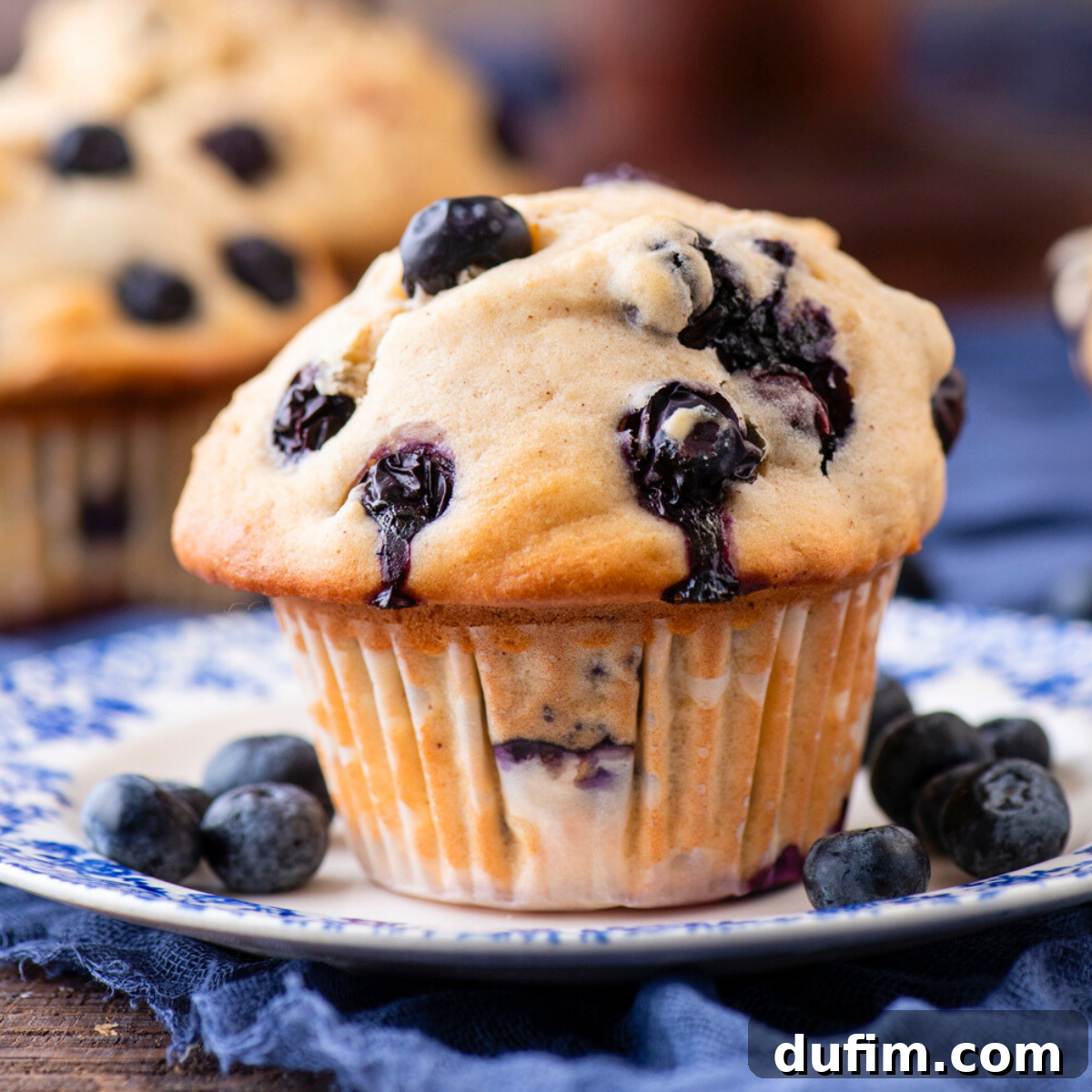
Healthy Blueberry Muffins: Indulge Guilt-Free with Our Perfectly Balanced Recipe
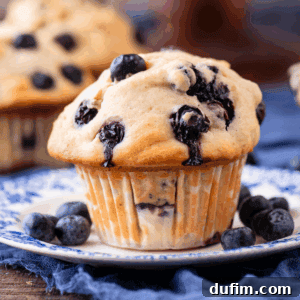
For years, my classic blueberry muffins have graced countless breakfast tables, earning a devoted following for their irresistible flavor and signature tall domes. Crafting a healthier version presented a unique challenge: how to reduce sugar and fats without compromising the beloved texture and taste? Flat tops and dry, crumbly interiors were simply not an option. After extensive experimentation, meticulously testing various ingredient swaps, I proudly present a recipe that achieves a remarkable balance. These healthy blueberry muffins boast significantly less sugar and better-for-you fats, yet they retain the incredibly satisfying texture and iconic domed tops that make them unmistakably ‘my muffins.’ They are lighter, fresher, and genuinely delicious, proving that healthier baking doesn’t mean sacrificing joy.
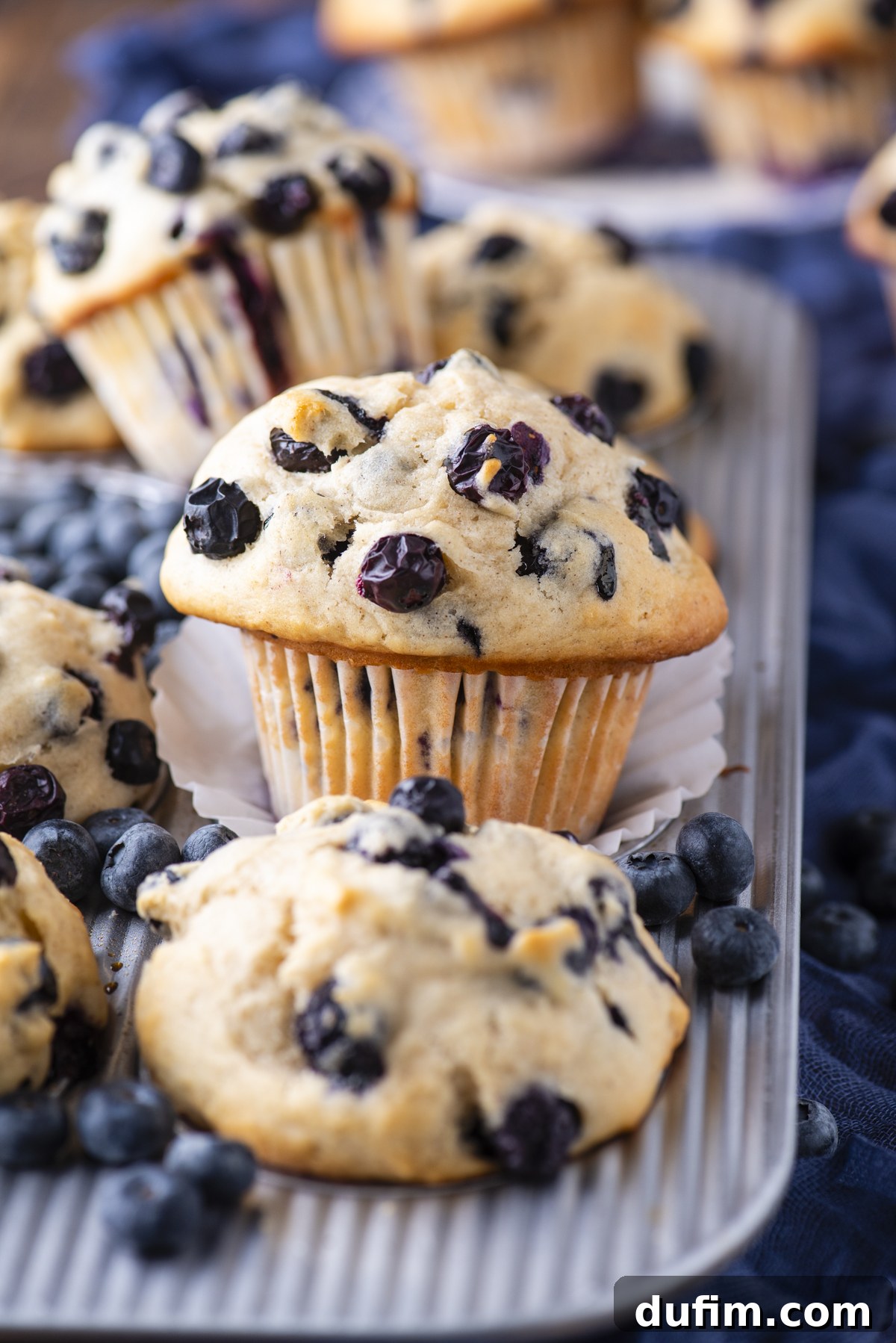
The Journey to Perfection: Why This Healthy Muffin Recipe Stands Out
Developing a truly great healthy blueberry muffin recipe required a deep dive into the science of baking and a relentless pursuit of the ideal texture. I embarked on a rigorous testing process, meticulously documenting each attempt to ensure the final recipe would deliver on its promise. My initial tests involved common healthy swaps, such as replacing granulated sugar with honey and traditional yogurt with non-fat Greek yogurt. The results from the first batch were disheartening: dense, chewy, and disappointingly dry muffins that clung to their liners. This taught me a crucial lesson about the delicate balance of ingredients. Eliminating fat entirely prevented the proper shortening of gluten strands, leading to a tight, rubbery crumb instead of the desired soft, tender bite. Honey, a liquid sweetener, introduced too much moisture and weight, further hindering the muffins’ ability to rise and creating a sticky texture.
Undeterred, I moved to Test Batch #2. I reintroduced granulated sugar and a measured amount of oil, while still using non-fat Greek yogurt. The texture immediately improved, unequivocally confirming the vital structural roles that both fat and sugar play in muffin making. Sugar contributes to tenderness by attracting and retaining moisture, while fat coats flour particles, preventing excessive gluten development. However, these muffins were still drier than I desired. The protein-rich, fat-free Greek yogurt added bulk without contributing the essential fat needed to tenderize the crumb, and the reduced sugar meant less moisture retention overall. While better, the muffins lacked the perfect balance of richness and lightness I was striving for.
A significant breakthrough occurred with Test Batch #3 when I switched to whole milk Greek yogurt and finely tuned the oil quantity. The difference was palpable; the muffins were noticeably lighter and much closer to the classic, soft texture. Yet, pushing the sugar reduction too far resulted in muffins with undesirable craggy sides and a slightly dry bite, especially after cooling. This revealed another key function of sugar: it’s not just for sweetness, but also for elasticity. Sugar helps the batter stretch smoothly as it rises, preventing the crust from cracking prematurely. Armed with this insight, Test Batch #4 involved a slight increase in sugar combined with a small addition of milk. This yielded a batter that was thick but perfectly workable, baking into beautifully tall, incredibly soft muffins with smooth, inviting tops.
Batch #4 was exceptional, so much so that I was hesitant to change it. However, in the spirit of optimization, I decided to test a further reduction of just 2 tablespoons of granulated sugar (Test Batch #5). This seemingly minor adjustment had a surprisingly detrimental effect. The muffins from this batch had noticeably smaller domes, and more importantly, they suffered from reduced moisture retention, leading to a drier overall texture. This confirmed that even small deviations from a carefully balanced recipe can significantly impact the outcome. Therefore, this final, perfected recipe reverts to the successful formulation of Test Batch #4.
This ultimate healthy blueberry muffin recipe is the culmination of meticulous testing, driven by the goal of optimizing ingredients without sacrificing structural integrity or flavor. Compared to my original blueberry muffin recipe, this version expertly uses significantly less sugar and a healthier oil, while preserving the foundational elements that ensure muffins rise beautifully, remain tender, and taste fantastic. Every single adjustment, from the type of yogurt to the precise amount of milk, was made with texture, rise, and reliability as the paramount considerations. The result is a healthier blueberry muffin that not only meets but exceeds expectations, delivering the same delightful experience you’ve come to anticipate from my kitchen.
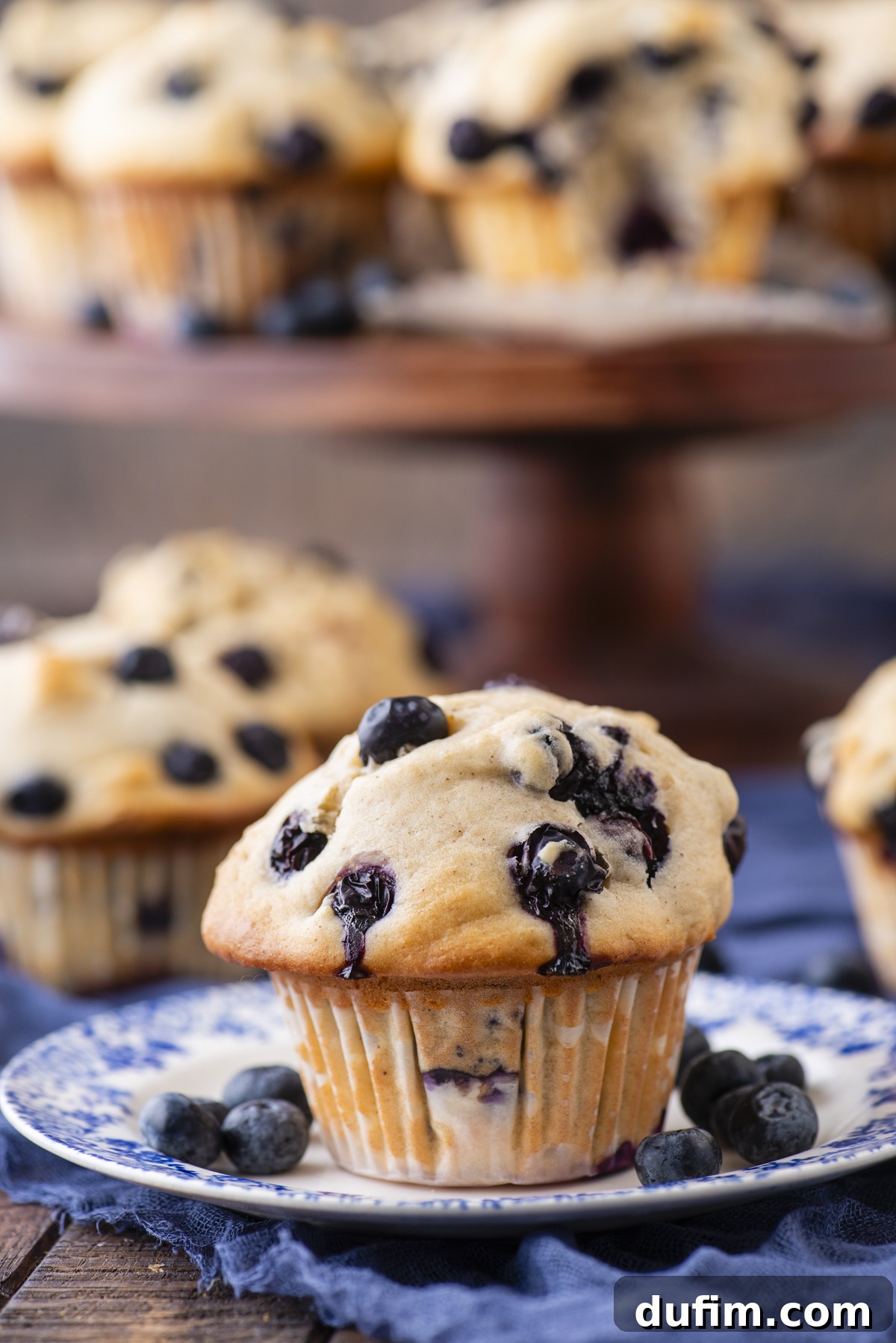
What Makes These Blueberry Muffins a Healthier Choice?
My primary objectives when developing this healthier blueberry muffin recipe were to significantly improve its nutritional profile while maintaining exceptional taste and texture. I focused on making smart, impactful ingredient choices that contribute to a better-for-you treat without sacrificing the indulgence factor. Here’s a breakdown of the key areas I targeted:
- Reduced Refined Sugar: A major goal was to cut the refined sugar by a substantial 50%. My classic blueberry muffins traditionally contain 1 ½ cups of granulated sugar. This improved, healthier version uses just ¾ cup, reducing the overall sugar content without compromising sweetness or structural integrity. This careful reduction makes a considerable difference for those mindful of sugar intake.
- Healthier Fat Alternatives: My original recipe called for ½ cup of vegetable oil, which can be high in saturated fats and less beneficial polyunsaturated fats. In this healthier adaptation, I opted for olive oil, a heart-healthy monounsaturated fat, or avocado oil, another excellent choice. These oils provide the necessary fat for tender muffins while offering superior nutritional benefits compared to conventional vegetable oils.
- Lower Total Calories: By reducing both sugar and optimizing fats, the total caloric content per muffin is significantly lowered. This allows for a satisfying treat that fits more easily into a balanced diet, without feeling deprived.
- Common, Accessible Ingredients: It was essential that this recipe remained approachable for home bakers. All ingredients used are readily available in most grocery stores and are likely staples in many pantries, making it simple for anyone to whip up a batch of these delicious muffins.
Comparing the nutritional values reveals the success of these targeted changes:
Below is the nutritional estimate for 1 original blueberry muffin:
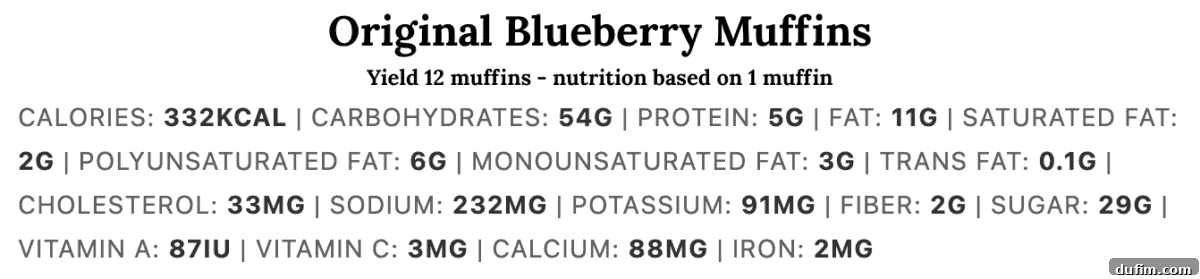
And here is the nutritional estimate for 1 healthy blueberry muffin.
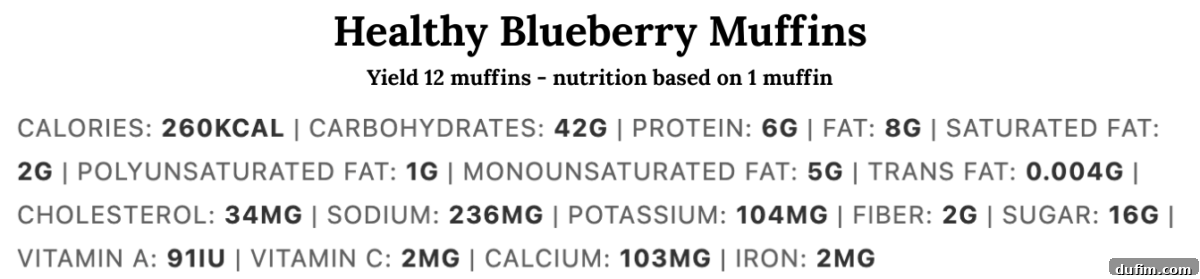
As you can see, the healthier version provides a substantial reduction in calories, carbohydrates, and sugar, while still offering a good amount of protein and beneficial fats. This makes our healthy blueberry muffins a more conscious choice for a delicious breakfast or snack, without compromising on flavor or that comforting homemade feel.
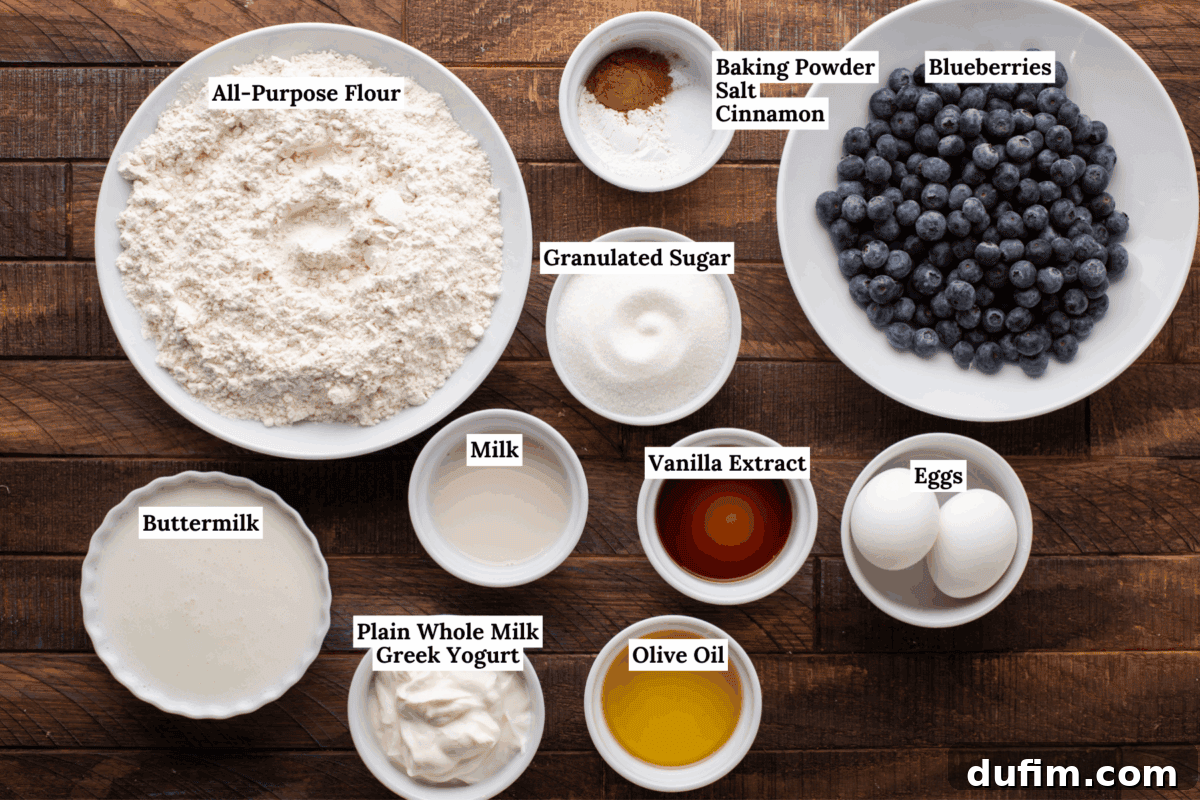
Essential Ingredients for Perfect Healthy Blueberry Muffins
Each ingredient in this healthy blueberry muffin recipe plays a critical role in achieving the desired taste, texture, and rise. Understanding the function of these key components will not only help you succeed with this recipe but also enhance your overall baking knowledge. You can find the full measurements and detailed directions in the recipe card below.
- Granulated Sugar: While reduced, the precise amount of granulated sugar is vital. It’s not just for sweetness; sugar is a hygroscopic ingredient, meaning it attracts and retains moisture, ensuring a tender crumb. It also aids in browning and contributes to the structural integrity, allowing the batter to expand smoothly without cracking as the muffins rise.
- Olive Oil or Avocado Oil: Unlike solid fats like butter, liquid oils contribute to a moist and tender texture by preventing excessive gluten development. They help the muffins achieve a beautiful rise and a soft, airy crumb without feeling greasy or heavy. Olive oil and avocado oil are chosen for their healthier monounsaturated fat profiles and mild flavors that complement the blueberries beautifully.
- Whole Milk Greek Yogurt: This ingredient is a game-changer for moisture and tenderness. The fat content in whole milk Greek yogurt provides richness and a velvety texture, while its acidity helps tenderize the gluten and activate the baking powder, contributing to a lofty rise. It adds body to the batter without making it dense, yielding a superior result compared to its non-fat counterpart.
- Buttermilk: Buttermilk is essential for creating exceptionally tender muffins with a delicate crumb. Its acidity reacts with the baking powder, producing carbon dioxide gas that gives the muffins their lift and airy texture. The lactic acid also helps break down gluten, preventing toughness. If you don’t have store-bought buttermilk on hand, don’t worry! You can easily follow my how to make buttermilk from milk post for a quick homemade substitute.
- Milk (Whole, 2%, 1%, or Almond): A small but important addition, milk helps to achieve the perfect batter consistency. It thins the batter just enough to ensure it’s thick but still workable, contributing to a smooth, uniform texture and an even rise in the finished muffins. Any type of milk works here, offering flexibility.
- Blueberries: The star of the show! Whether fresh or frozen, blueberries provide bursts of juicy sweetness and a lovely tart contrast. When using frozen blueberries, it’s crucial not to thaw them before folding them into the batter. Adding them frozen helps prevent them from sinking to the bottom of the muffins and bleeding color into the batter, ensuring beautiful distribution throughout.
Step-by-Step Guide: Crafting Your Own Healthy Blueberry Muffins
Creating these healthier blueberry muffins is a straightforward and rewarding process. Following these easy steps will ensure you achieve perfectly baked, bakery-style muffins every time. For the full recipe with precise measurements, you can jump directly to the recipe card below.
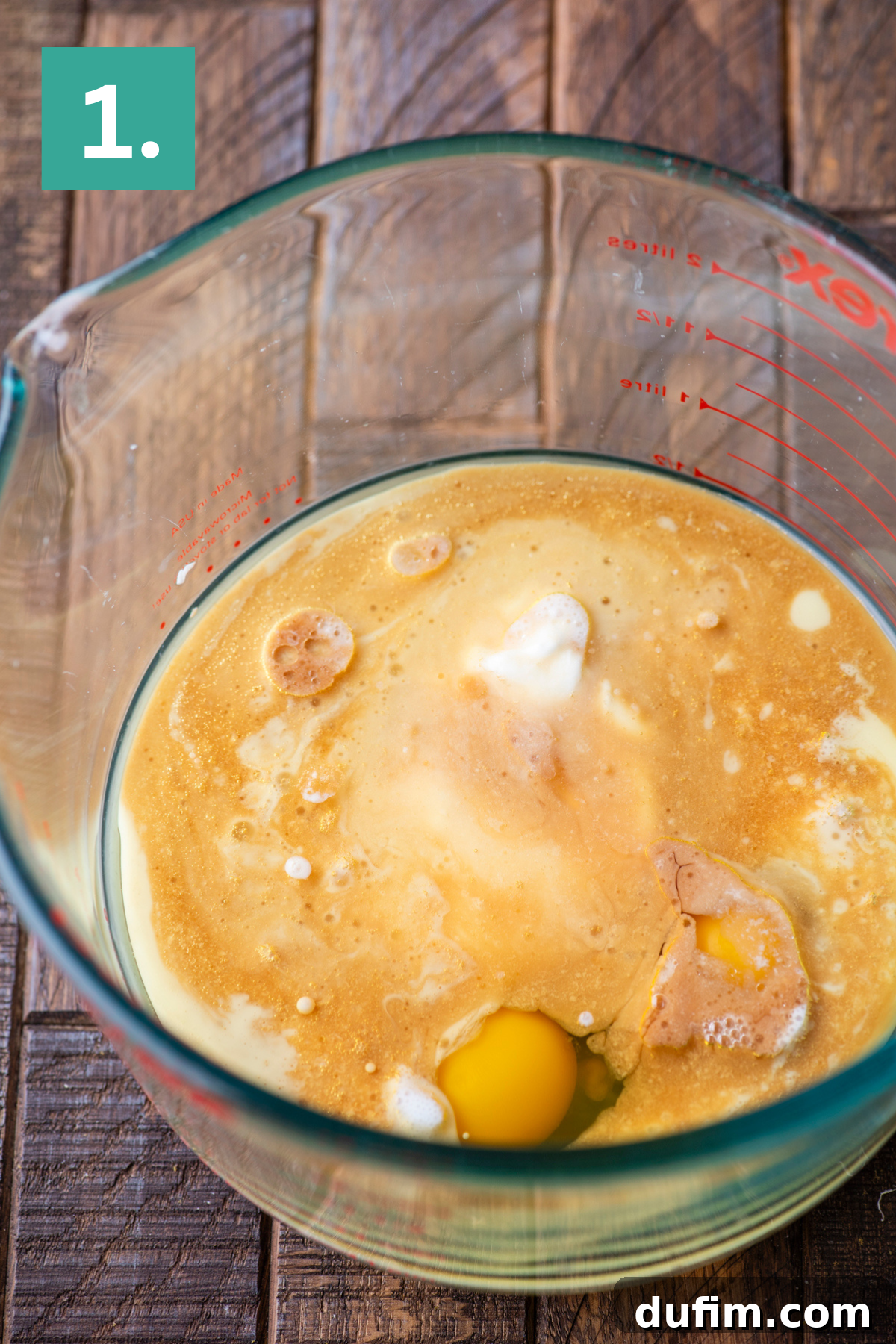
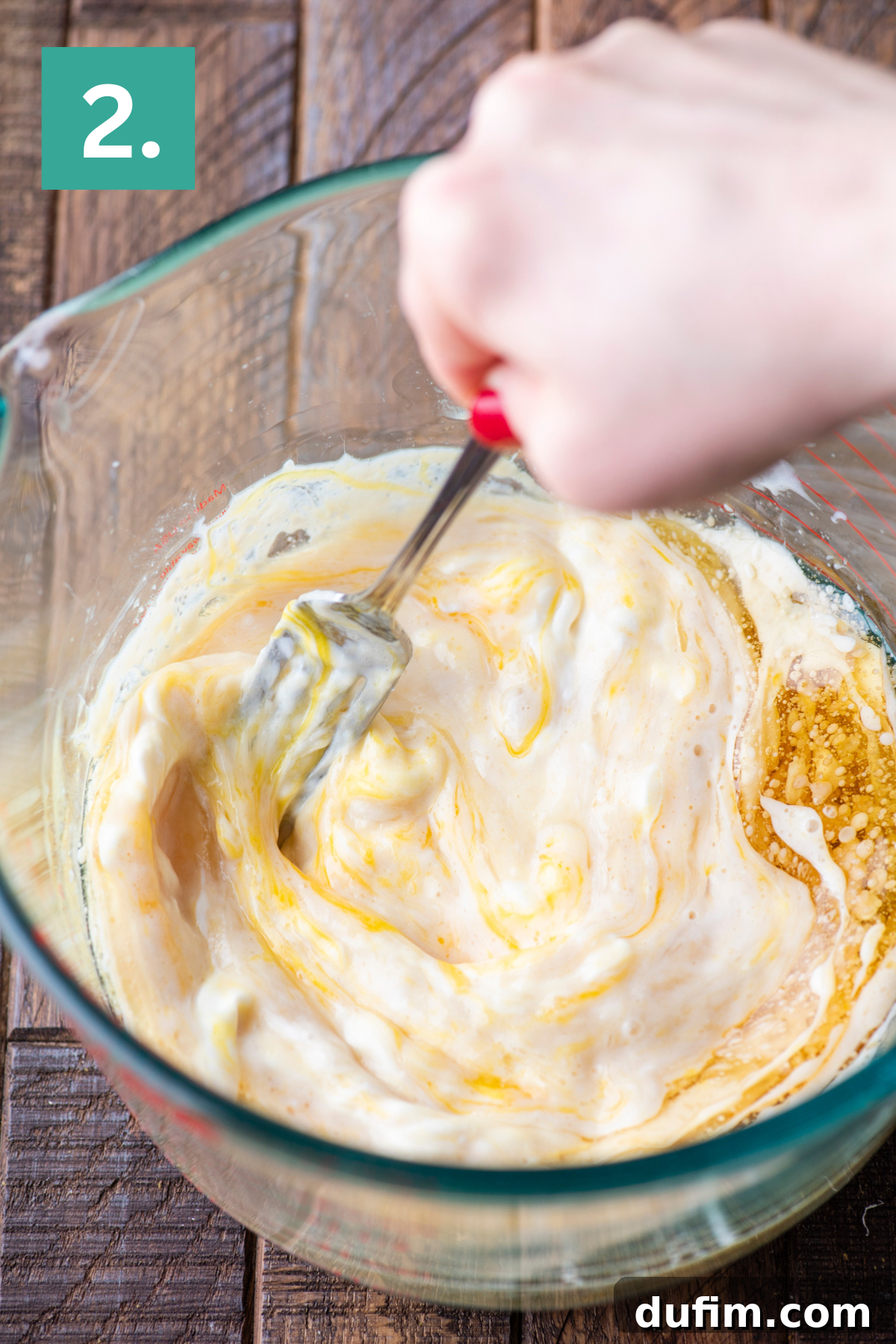
1. Prep Dry and Wet Ingredients: Begin by combining all your dry ingredients. In a medium mixing bowl, whisk together the all-purpose flour, granulated sugar, baking powder, salt, and cinnamon until thoroughly combined. This ensures even distribution of the leavening agents and spices throughout the muffins. Set this bowl aside. In a separate, larger mixing bowl, prepare your wet ingredients. Whisk together the eggs, olive or avocado oil, buttermilk, plain whole milk Greek yogurt, milk, and vanilla extract. Stir well with a spatula or fork until the mixture is smooth and evenly incorporated. This two-bowl method helps prevent overmixing when combining the wet and dry ingredients later.
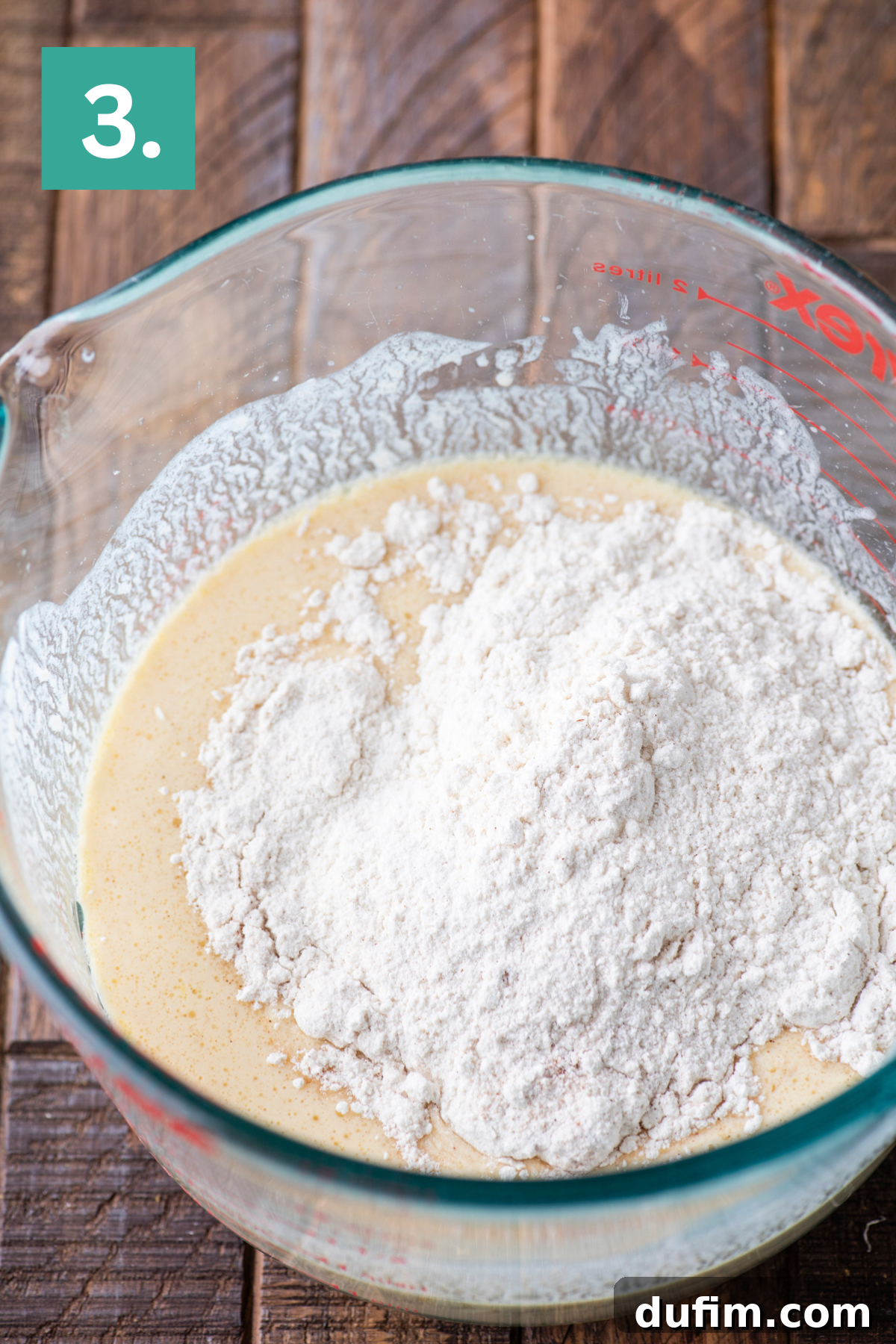
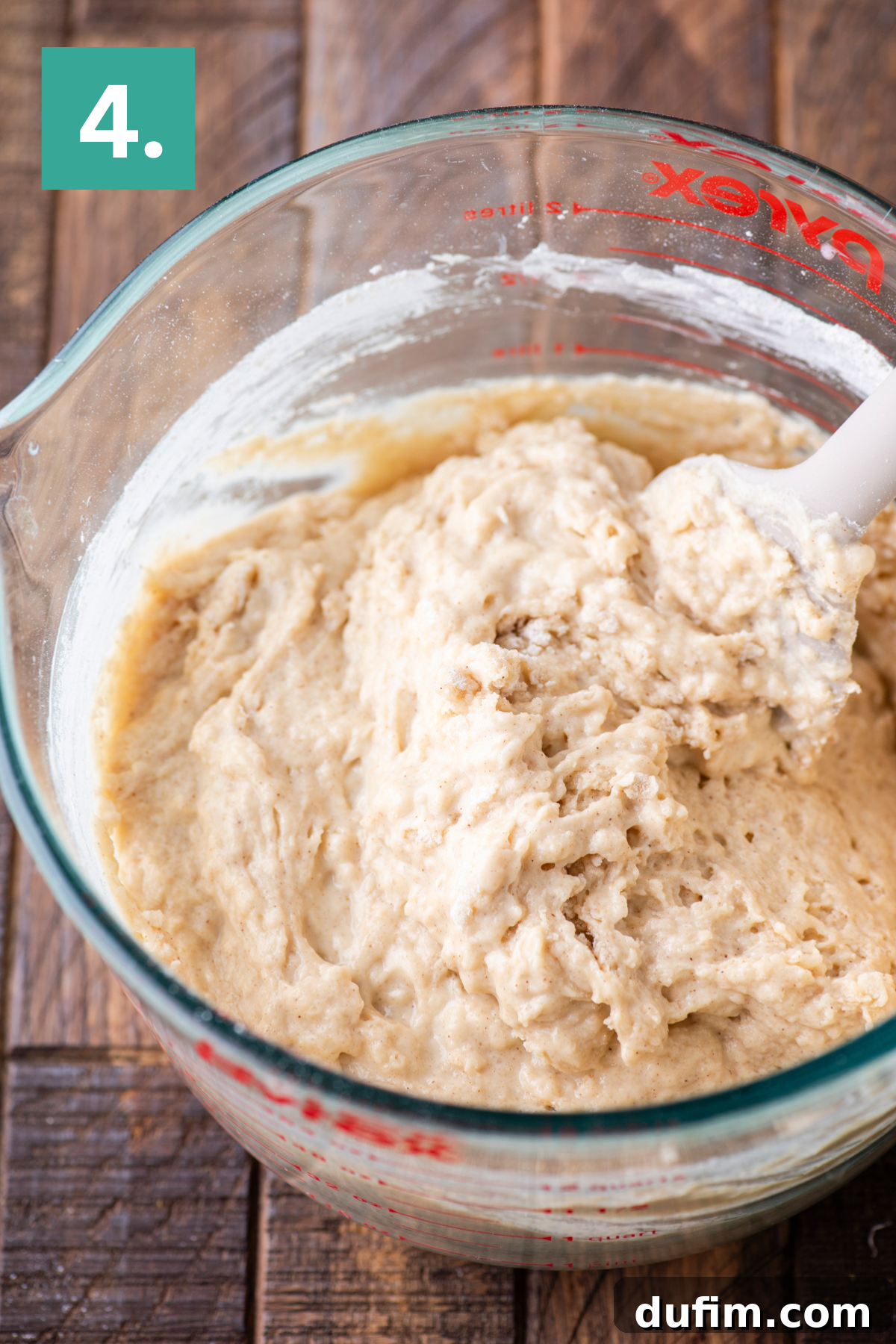
2. Combine Ingredients (Mix): Slowly add the dry ingredients to the wet ingredients. Mix gradually using a spatula or a sturdy spoon, stirring just until the flour streaks disappear and everything is combined. It’s crucial not to overmix the batter. Overmixing can develop the gluten in the flour too much, resulting in tough, chewy muffins instead of light and tender ones. A few small lumps are perfectly fine and often contribute to a moist texture.
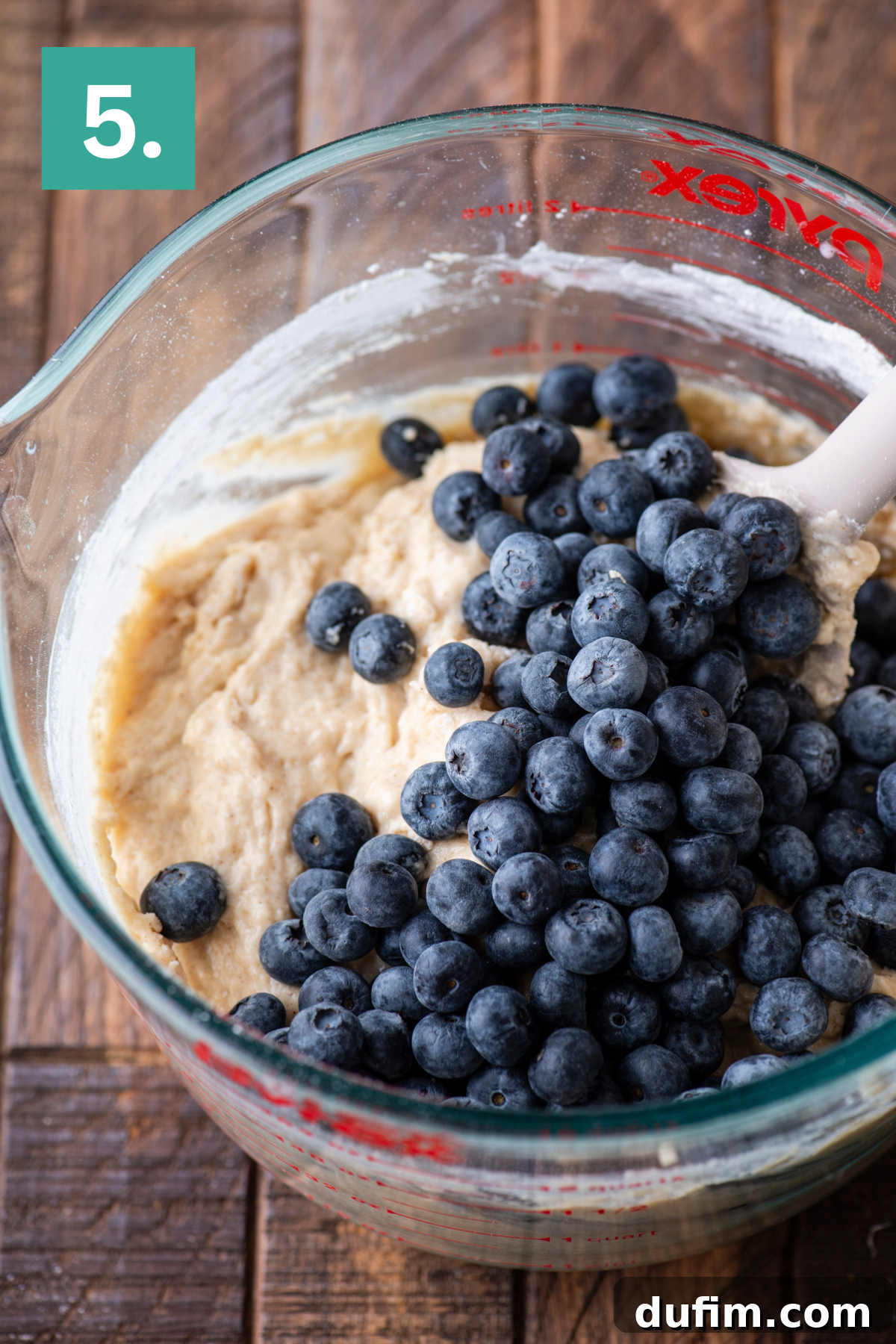
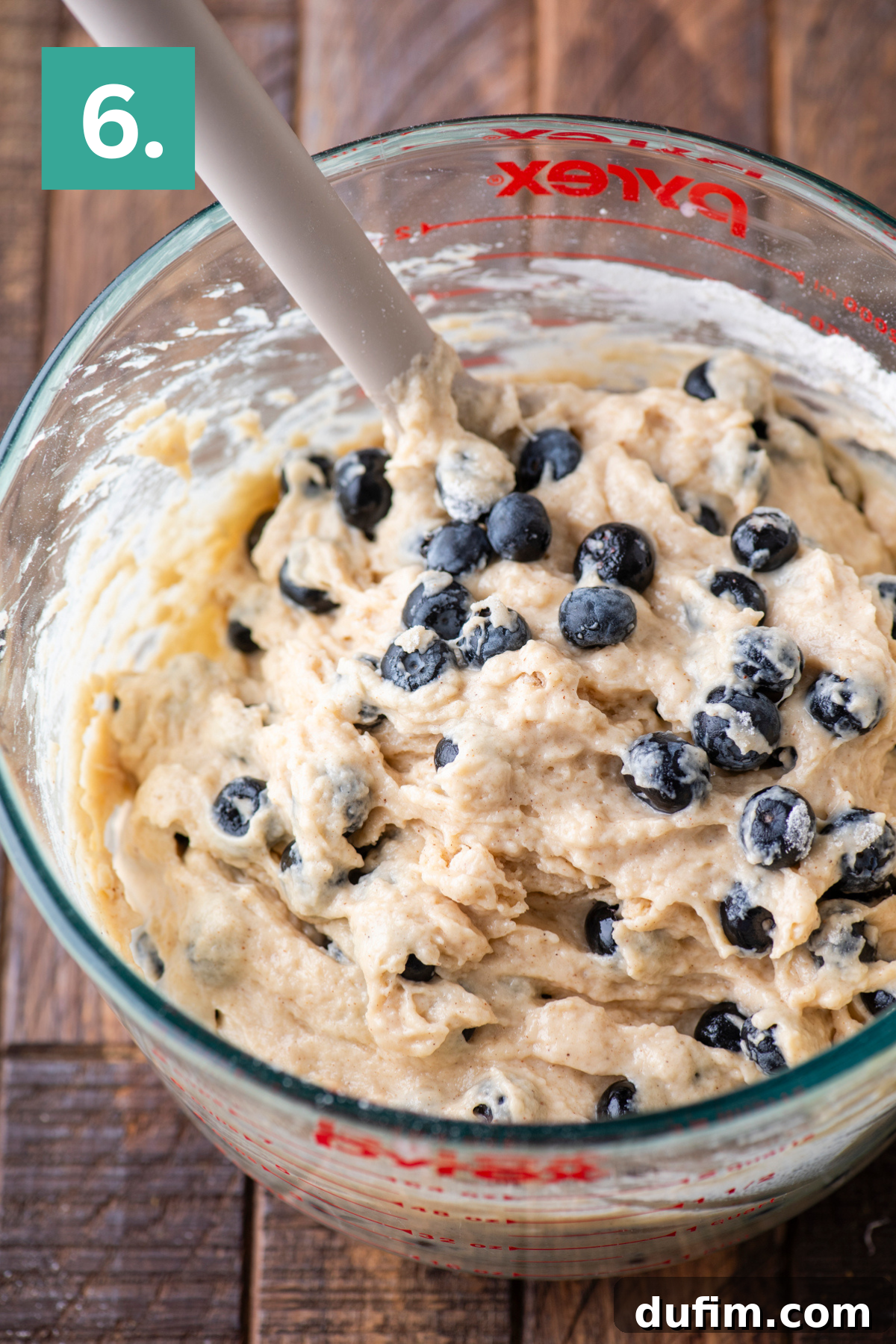
3. Fold in Blueberries: Once your batter is just combined, gently fold in the blueberries using a spatula. Be careful not to mash the berries. The batter will be quite thick, which is exactly what we want for tall, domed muffins! If using frozen blueberries, add them directly from the freezer; do not thaw them, as this helps prevent them from coloring the batter and sinking during baking.
4. Rest Batter: This is a crucial step for achieving bakery-style domes. Cover the bowl with a clean kitchen towel and allow the batter to rest at room temperature for 15 minutes. During this time, the flour fully hydrates, leading to a thicker batter that will rise more effectively. While the batter rests, preheat your oven to a blazing 425ºF (220ºC).
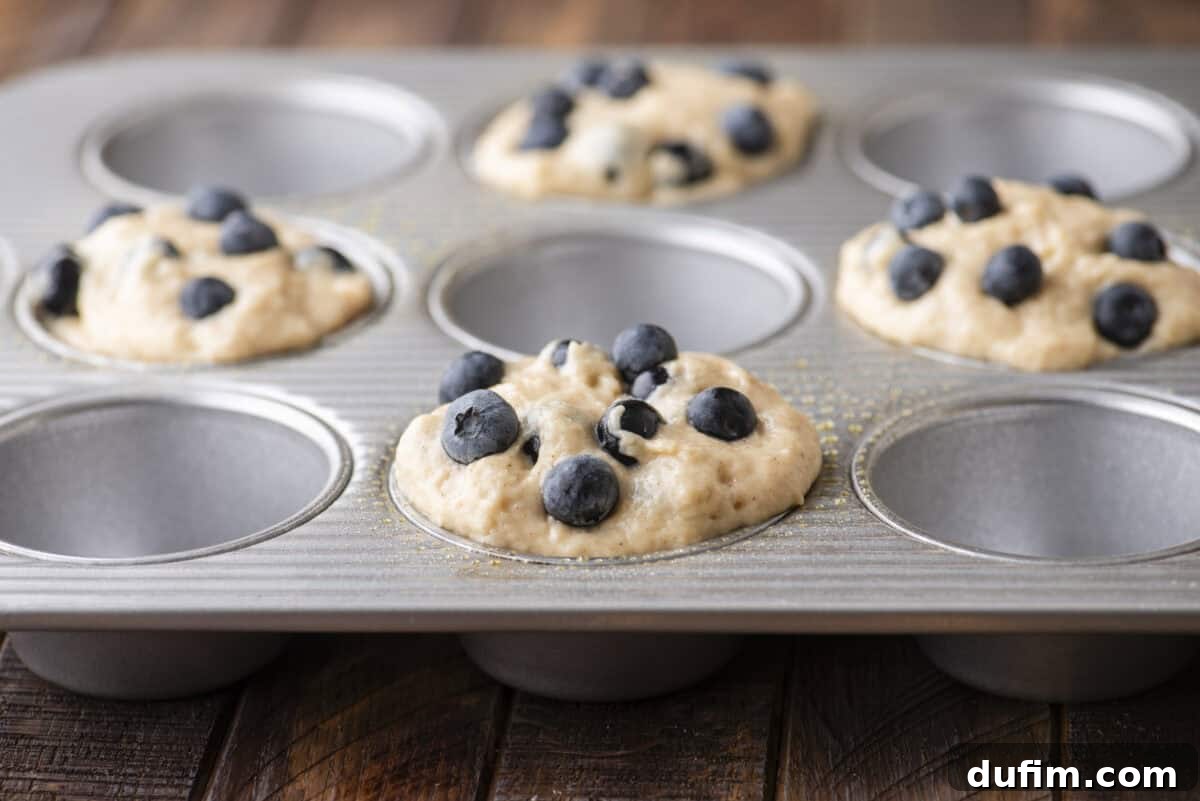
5. Prep and Fill Muffin Pan: For those coveted bakery-style muffin tops, prepare your 12-count muffin pan by lining only every other muffin well with paper liners (you’ll use 6 liners total). This spacing allows the muffins ample room to spread horizontally and dome upwards without crowding each other, promoting better air circulation and a beautiful golden-brown finish. Because these lower-sugar, lower-fat muffins can sometimes be prone to sticking, I highly recommend lightly spraying the inside of each muffin liner with a non-stick cooking spray. Fill each prepared liner generously, mounding the batter high – about ½ heaping cup per well – to encourage a dramatic rise. For an extra visual appeal and burst of flavor, gently press a few additional blueberries on top of each filled muffin cup.
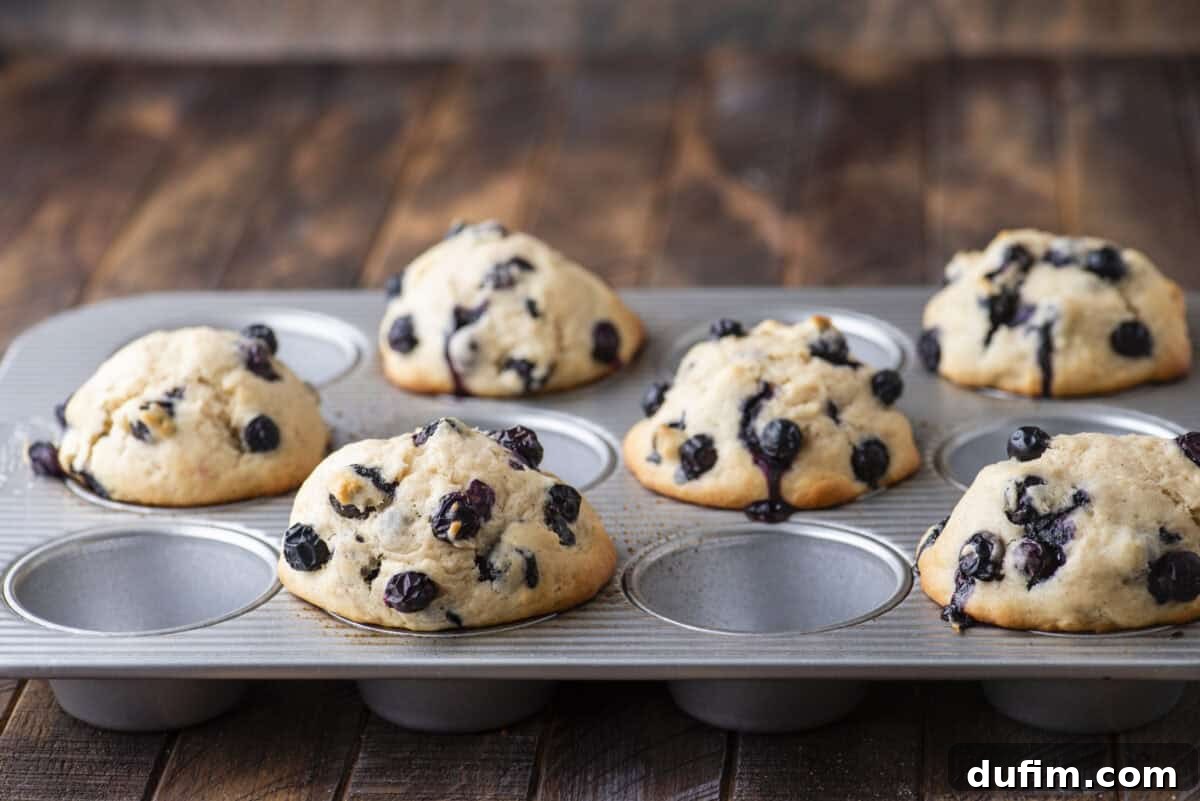
6. Bake: Place one muffin pan in the center of your preheated 425ºF (220ºC) oven. Bake for precisely 7 minutes at this high temperature. This initial blast of heat provides a powerful lift, creating those desirable domed tops. Without opening the oven door, reduce the temperature to 350ºF (175ºC) and continue baking for another 18-23 minutes, or until a wooden toothpick inserted into the center of a muffin comes out clean. This two-stage baking ensures a crispy exterior and a fully cooked, moist interior. Allow the muffins to cool in the pan for a few minutes before transferring them to a wire rack to cool completely. If you have more batter, remember to bump the oven temperature back up to 425ºF (220ºC) before baking the next batch.
Unlocking the Secrets to Bakery-Style Muffins
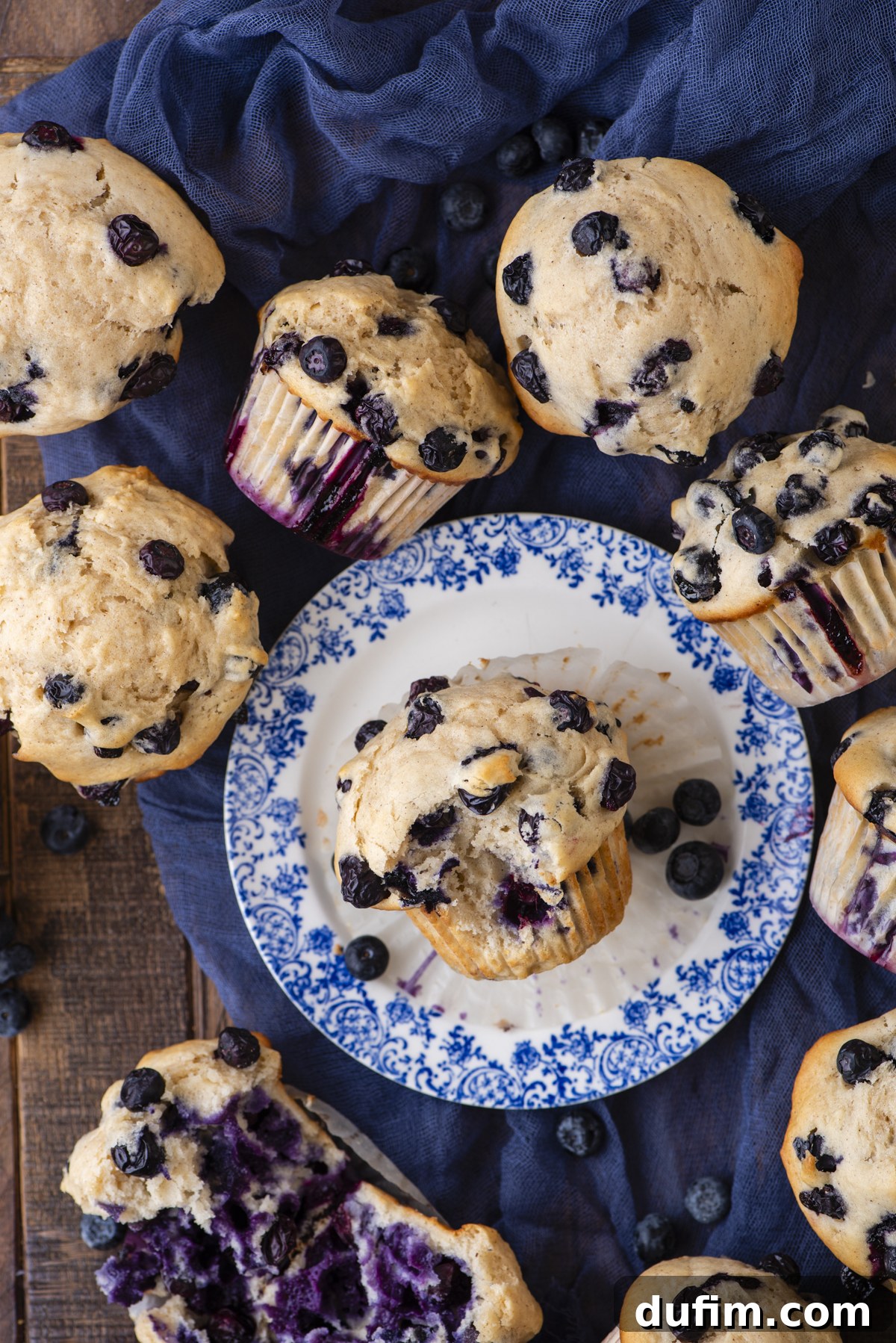
Everyone loves a muffin with a gloriously domed top and a perfectly golden crust. Achieving that professional bakery look and feel for your homemade muffins is easier than you might think, especially with these healthy blueberry muffins. These techniques are designed to maximize the rise and create that appealing aesthetic that makes muffins so irresistible.
1. The Essential Rest Period
Allowing the muffin batter to rest for 15 minutes after it’s mixed and before scooping it into the muffin pan is a small step with a big impact. During this brief resting period, a scientific process takes place: the starch molecules in the flour begin to absorb the liquid components in the batter. This hydration causes the starches to swell, leading to a thicker, more viscous batter. A thicker batter provides better structural support for the gas bubbles produced by the leavening agents during baking, pushing the muffins upwards rather than allowing them to spread outwards. This contributes significantly to achieving those desirable high, domed tops, making your muffins look and feel more professional.
2. Strategically Fill Every Other Muffin Cup
This ingenious tip is a true game-changer for achieving impressive muffin tops. When baking your healthy blueberry muffins, instead of filling every single well in a standard 12-count muffin pan, only line and fill every other cup, leaving empty spaces in between. For example, if you have a 12-cup pan, you will fill only 6 cups. This strategic spacing provides two key benefits: Firstly, it prevents the muffins from overcrowding. When muffins are too close together, they compete for space as they rise, often resulting in misshapen or flattened tops. Secondly, and perhaps more importantly, filling every other cup allows for superior air circulation around each muffin. This enhanced airflow promotes more even baking and a beautiful, golden-brown crust, giving each muffin a distinct, professional bakery appearance.
3. Don’t Be Shy: Fill Them to the Top!
This advice often goes against conventional baking wisdom for muffins, but it’s absolutely crucial for achieving that characteristic height and domed top associated with bakery-style muffins. Instead of filling your muffin liners two-thirds or three-quarters full, go ahead and fill them generously, all the way to the top. A fully filled muffin cup provides more batter for the leavening agents (baking powder) to work on, forcing the batter to rise dramatically upwards as it bakes. This substantial volume of batter, combined with the other techniques, creates a robust foundation for a towering, majestic muffin top that truly impresses.
4. The Power of Initial High-Temperature Baking
The “oven spring” technique is fundamental to achieving high, domed muffin tops. Begin by baking your muffins at a high initial temperature, typically 425ºF (220ºC), for the first 5-7 minutes. This intense burst of heat causes a rapid expansion of gases within the batter and quickly sets the outer surface of the muffin. The sudden high temperature creates a strong “crust” on top, which then forces the expanding batter to push upwards through the center, resulting in that iconic dome shape. After this initial high-heat period, reduce the oven temperature to a more moderate 350ºF (175ºC) for the remainder of the baking time. This allows the muffins to cook through evenly without burning the tops, ensuring a moist interior and a perfect golden finish.
Expert Tips for Storing and Freezing Your Healthy Blueberry Muffins
Proper storage is key to preserving the freshness and delightful texture of your homemade healthy blueberry muffins. While these muffins are best enjoyed fresh from the oven, you can easily extend their life for a few days or even months with the right techniques. Understanding how to store them effectively will prevent them from drying out or becoming soggy, ensuring you can savor that delicious taste whenever a craving strikes.
Optimal Muffin Storage at Room Temperature
For immediate enjoyment or if you plan to devour your muffins within 24 hours of baking, you can simply leave them uncovered on your kitchen counter. Surprisingly, muffins, especially those made with whole milk Greek yogurt, are quite moist and won’t dry out quickly in this short timeframe. In fact, storing them in an airtight container immediately can trap too much moisture, leading to a soggy texture and causing those lovely crunchy, sugary tops to soften and disappear. This is a common mistake that can ruin the texture.
However, if you wish to store your muffins for a slightly longer period, typically 2-4 days, an airtight container becomes necessary, but with a clever trick to combat excess moisture: paper towels. Line the bottom of your airtight container with a single layer of paper towels. Arrange the muffins in a single layer on top of the paper towels, ensuring they aren’t overly crowded. If you have more muffins, place another layer of paper towels over the first layer of muffins before adding the next batch. The paper towels act as a brilliant sponge, absorbing any moisture the muffins naturally release while stored. This keeps the muffins fresh, firm, and prevents them from becoming undesirably damp. Remember to check the paper towels daily; if they feel very moist, replace them with fresh ones on day 2 or 3 to maintain optimal freshness.
Simple Steps to Freeze Muffins for Later
Freezing is an excellent way to preserve your healthy blueberry muffins for an extended period, allowing you to enjoy a homemade treat whenever you desire without the full baking process. Properly frozen muffins can last for up to 3 months, making them perfect for meal prep or unexpected guests.
To freeze, first ensure your muffins are completely cooled to room temperature. Warm muffins will create condensation when wrapped, leading to freezer burn and a soggy texture. Once cool, individually wrap each muffin tightly in plastic wrap. This barrier protects them from air exposure, which causes freezer burn, and prevents them from absorbing any unwanted freezer odors. After wrapping, place the individually wrapped muffins into a large freezer-safe ziploc bag or an airtight container. Label the bag or container with the date so you can keep track of their freshness. Place them in the freezer, and they’ll be ready for a quick snack whenever you need them.
When you’re ready to enjoy a frozen muffin, thawing is incredibly simple. You can either leave the individually wrapped muffin at room temperature until it’s completely defrosted, which typically takes about 1 hour. Alternatively, for a quicker option, unwrap the muffin and microwave it in 20-second intervals until it’s warmed through and defrosted to your liking. This is perfect for a warm breakfast treat on a busy morning.
Frequently Asked Questions About Healthy Blueberry Muffins
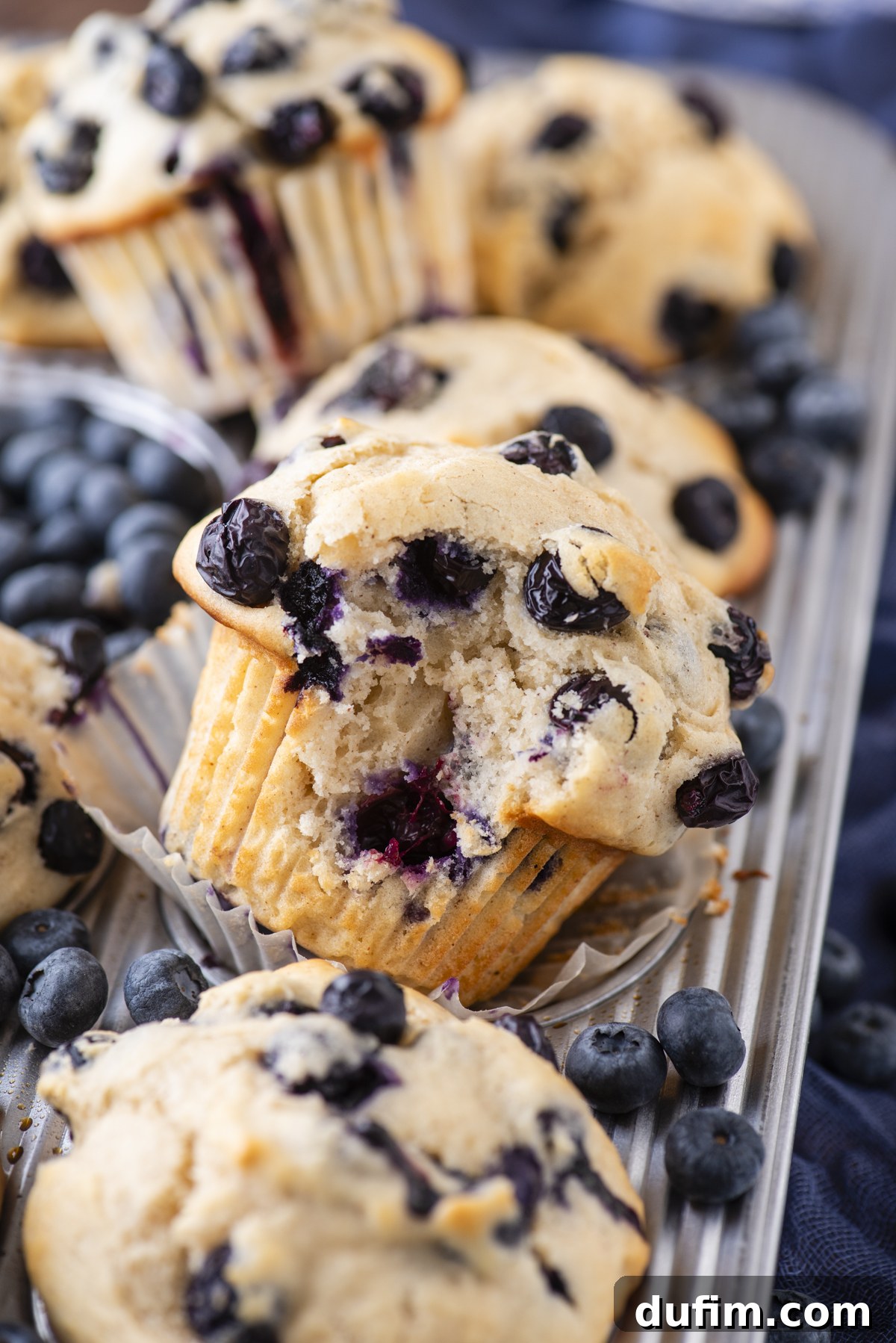
The thick consistency of this batter is by design and is crucial for achieving tall, beautifully domed muffins. A denser batter provides robust structural support, encouraging the muffins to rise upwards majestically rather than spreading outwards. This allows the leavening agents to work efficiently, creating that desirable bakery-style height and a light, airy internal structure.
I strongly advise against substituting honey or maple syrup for the granulated sugar in this particular recipe. During my extensive testing, both liquid sweeteners significantly altered the batter’s delicate balance and structure. They introduced additional moisture and weight that resulted in denser, heavier muffins with noticeably less rise and a different crumb texture. For optimal results and to maintain the integrity of this carefully developed recipe, stick to granulated sugar.
While it might seem like a healthier choice, non-fat Greek yogurt is not recommended for this recipe. My tests showed that it resulted in drier, tighter muffins lacking the tenderness and richness that whole milk Greek yogurt provides. The fat in whole milk Greek yogurt is essential for tenderizing the crumb and contributing to the moist, soft texture that makes these muffins so enjoyable. Opt for whole milk Greek yogurt to achieve the intended delightful texture.
No, I do not recommend substituting the buttermilk in this recipe. Buttermilk is a powerhouse ingredient here; its acidity plays an important role in reacting with the baking powder, which is vital for a consistent and significant rise. Furthermore, the lactic acid in buttermilk tenderizes the gluten, contributing to the muffins’ soft and delicate crumb. If you don’t have store-bought buttermilk readily available, you can easily make your own DIY version at home. Simply follow my detailed DIY buttermilk tutorial for a quick and effective substitute using regular milk and lemon juice or vinegar.
These healthier blueberry muffins are the result of meticulous development, ensuring they consistently bake up tall, soft, and utterly dependable. My goal was never to create the absolute lowest-calorie muffin imaginable, but rather to craft a lighter, more nutritious version that still feels incredibly rewarding and worth baking. When you follow this recipe as written, you can have full confidence that it will perform beautifully in any home kitchen, delivering consistently delicious results. So, preheat your oven, scoop the batter, and take pleasure in knowing that this recipe has been tested and perfected to bring you the best possible healthy blueberry muffin experience. Enjoy the warmth and aroma of freshly baked goodness!
Tap stars to rate!
Healthy Blueberry Muffins
10 minutes
30 minutes
15 minutes
12 muffins
Rate
Equipment
-
Glass Mixing Bowl
-
Kitchen Scale
-
Muffin Pan
-
4 Tbsp scoop
Ingredients
- 3 cups (360g) all-purpose flour
- ¾ cup (149g) granulated sugar
- 3 tsp baking powder
- ½ tsp salt
- 1 tsp cinnamon
- 2 large eggs
- ⅓ cup (70g) olive oil or avocado oil
- ¾ cup (171g) buttermilk
- ½ cup (125g) plain whole milk greek yogurt
- 3 Tbsp (46g) milk, whole, 2%, 1% or almond milk
- 2 tsp vanilla extract
- 2 cups (280-320g) blueberries, if using frozen, do not thaw
Video
Instructions
-
In a mixing bowl combine the flour, granulated sugar, baking powder, salt, and cinnamon. Stir with a spoon to combine and set aside.3 cups (360g) all-purpose flour,
3/4 cup (149g) granulated sugar,
3 tsp baking powder,
1/2 tsp salt,
1 tsp cinnamon -
In a larger mixing bowl combine the eggs, oil, buttermilk, plain whole milk greek yogurt, milk and vanilla extract. Stir to combine with a spatula or fork.2 large eggs,
1/3 cup (70g) olive oil or avocado oil,
3/4 cup (171g) buttermilk,
1/2 cup (125g) plain whole milk greek yogurt,
3 Tbsp (46g) milk,
2 tsp vanilla extract -
Gradually mix in the dry ingredients, mixing just until combined.
-
Using a spatula, gently fold in the blueberries. The batter will be very thick!2 cups (280-320g) blueberries
-
Allow the batter to rest in the bowl for 15 minutes. During this time, preheat the oven to 425ºF.
-
For bakery style muffin tops, line a 12 count muffin pan with 6 muffins liners, meaning you’ll only fill every other muffin well with batter. Filling every other well allows the muffins to spread and dome without running into each other. These lower sugar, lower fat muffins tend to stick to the liners, so I recommend spraying the liners with non-stick cooking spray. Fill the liners so they are domed with batter, about ½ heaping cup of batter in each well. Add additional blueberries to each muffin.
-
Place one pan in the center of the oven and bake for 7 minutes at 425ºF, then keeping the muffins in the oven, turn the temperature down to 350ºF and bake for 16-23 minutes or until a toothpick inserted in the center comes out clean. Allow the muffins to cool in the pan. Repeat with the remaining batter, making sure to bump the temperature back up to 425ºF.
Notes
You can reduce the granulated sugar to 2/3 cup for a less sweet muffin, but the reduction will slightly alter the final structure and moisture.
Gluten-Free: Use a 1:1 gluten-free baking flour blend in place of all-purpose flour. I used King Arthur’s Measure for Measure Gluten Free Flour with great results.

Nutrition
Carbohydrates: 42g |
Protein: 6g |
Fat: 8g |
Saturated Fat: 2g |
Polyunsaturated Fat: 1g |
Monounsaturated Fat: 5g |
Trans Fat: 0.004g |
Cholesterol: 34mg |
Sodium: 236mg |
Potassium: 104mg |
Fiber: 2g |
Sugar: 16g |
Vitamin A: 91IU |
Vitamin C: 2mg |
Calcium: 103mg |
Iron: 2mg
Nutrition Disclosure
All nutritional values are approximate and provided to the reader as a courtesy. Changing ingredients and/or quantities will alter the estimated nutritional calculations.
Like this recipe? Rate and comment below!